




Bulk Coconut Palm Sugar
$0.00
Have a sweet time with Source86 Coconut Palm Sugar!
Take your dishes to new heights with Coconut Palm Sugar! It has a rich, caramel flavor that adds another level of flavor. Add some sweetness with a hint of coconut flavor to your smoothies, coffees, and teas. Blend it into your chocolate chip cookies, crème brulé and baked goods to give it a sweet note and delightful brown hue. Give your meats and vegetables some caramelization or create unique sauces and dips. There’s so much to do with this awesome ingredient!
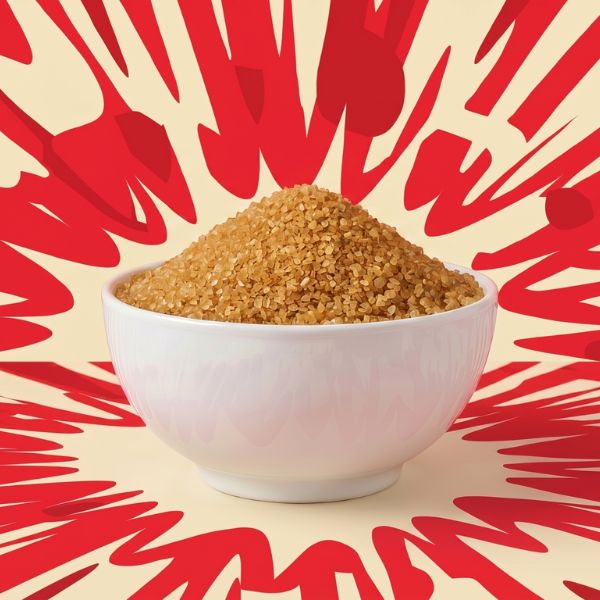
As compared to regular refined sugar, our Coconut Palm Sugar has a lower glycemic index! That means that there is a lower chance of a sugar spike (of course, with moderation!). It’s rich in minerals like iron, potassium, magnesium and zinc, and has antioxidants. Our Coconut Palm Sugar is available in bulk quantities and is available in the following mesh sizes: – 10 Mesh – 12 Mesh – 14 Mesh – 16 Mesh – 18 Mesh – 20 Mesh – 25 Mesh – 30 Mesh – 50 Mesh Say goodbye to artificial sweeteners and hello to Coconut Palm Sugar!
If what you need is a Retail-Ready Coconut Sweetener solution, this is for you!
Request More Information
Need a quote, more info, or a sample? Fill out the form below, and we’ll be happy to help.
Are you a vendor? Please contact us here.
Product Data
| Botanical Name | Cocos nucifera |
|---|---|
| Origin Countries | Philippines, Sri Lanka, Indonesia, Thailand |
| Product Use | food, food supplements, dietary, culinary and beauty applications |
| Shipping / Storage | Dry / Ambient |






Production & Sourcing
Coconut Palm Sugar is made from carefully harvested sap or nectar from the coconut palm! Once collected, the sap is gently heated to remove most of its water content. This leaves a concentrated, caramel-like liquid. Once the sap has fully thickened, it’s allowed to cool and crystalize. When fully cooled, it forms solid blocks which are broken into granules.
And you have your Coconut Palm Sugar!
Applications
- Bakery
- Confectionary – Hard
- Confectionary – Soft
- Dressings & Sauces
- Frozen Desserts
- Condiments
- Nut Butters and Spreads
- Yoghurt and Smoothie Toppings
- Beverages – Wet
- Snack bars and Energy Bites
- Desserts
- Smoothies
- Snacks – Savoury
- Snacks – Sweet
- Private Label
- Vegan Cooking
- Vegetarian Cooking
- Marinades and Rubs
Functionality
- Blood Sugar Regulation
- Natural Sweetener
- Dietary Fiber Enrichment
- Flavor Enhancer
- Low Glycemic Index
- Colorants
- Baking Enhancements
- Nutrients
- Dissolving Properties
Benefits
Coconut Palm Sugar offers a delightful flavor profile with a distinct hint of caramel and butterscotch! The natural sweetness is subtle, providing a satisfyingly mellow and tropical taste to a wide range of dishes. The unique flavor of Coconut Palm Sugar enhances both sweet and savory recipes, elevating the overall taste experience.
The texture of Coconut Palm Sugar is granulated, similar to traditional cane sugar. Its fine granules dissolve easily, making it an excellent choice for sweetening beverages and baked goods. The consistency ensures a smooth integration into recipes, resulting in even sweetness throughout your culinary creations.
This all-natural sugar has a beautiful golden-brown color! It’s warm and inviting hue adds a touch of elegance to any dish, especially baked goods where it contributes to achieving a lovely, browned appearance.
Coconut Palm Sugar is not only a sweet indulgence but also a nutritious choice. It contains essential minerals like potassium, magnesium, zinc, and iron, which contribute to a balanced diet. Additionally, it has a lower glycemic index compared to refined sugars, making it a preferable option for those concerned about blood sugar levels. The presence of B-vitamins and antioxidants adds to its nutritional value, providing an extra boost to overall well-being.
Coconut Palm Sugar has a natural moisture content, which can positively impact the texture and moistness of baked goods. Its moisture helps in binding ingredients together, contributing to the soft and tender crumb of cakes, muffins, and cookies.
The unique aroma of Coconut Palm Sugar is reminiscent of caramel and toffee, giving dishes a rich and enticing scent during cooking and baking! The fragrant notes enhance the sensory experience and make it a favorite ingredient in various cuisines.
Coconut Palm Sugar strikes a perfect balance between sweetness and depth of flavor. Its nuanced taste enhances the overall profile of dishes, avoiding an overpowering sugary taste and instead offering a more well-rounded experience.
In both sweet and savory dishes, Coconut Palm Sugar creates a delightful contrast that complements other ingredients. Its subtle sweetness contrasts well with bold and savory flavors, adding complexity to the overall taste.
Coconut Palm Sugar has a rich cultural and regional influence, particularly in Southeast Asian countries like Indonesia, the Philippines, and Thailand, where it has been used for centuries as a traditional sweetener. The palm trees are native to these regions, making the sugar an integral part of their culinary heritage.
Coconut Palm Sugar is a popular choice among individuals with special dietary considerations. Its low glycemic index makes it suitable for those managing blood sugar levels or following a diabetic-friendly diet. It’s vegan and free from artificial additives, making it an excellent option for those with specific dietary restrictions or preferences.
Uses in manufacturing
In food manufacturing, Coconut Palm Sugar is a versatile ingredient that finds application in a wide range of products. Its unique flavor, nutritional benefits, and natural appeal make it a popular choice for food manufacturers looking to offer healthier and more natural alternatives to traditional sweeteners. Here are some common ways Coconut Palm Sugar is used in food manufacturing:
Coconut Palm Sugar is a favored sweetener in the production of cookies, cakes, muffins, and other baked goods. Its fine granules blend easily with other ingredients, providing a subtle caramel-like sweetness and contributing to the desired browning effect during baking.
Manufacturers use Coconut Palm Sugar to create various confectionery products such as candies, toffees, and caramels. The sugar’s unique flavor adds depth to these treats, making them stand out from those made with regular refined sugar.
Coconut Palm Sugar is incorporated into beverage production, including ready-to-drink beverages, fruit juices, energy drinks, and even alcoholic beverages. It dissolves easily in liquids, making it convenient for creating flavorful and balanced drinks.
In the manufacturing of sauces, dressings, and condiments, Coconut Palm Sugar acts as a natural sweetener, offering a subtle sweetness that complements the overall flavor profile of the product.
Coconut Palm Sugar is used in the production of ice creams, frozen yogurts, and dairy-based desserts, providing a unique taste while also contributing to texture and browning during the cooking process.
It’s not uncommon to find Coconut Palm Sugar used in the production of cereal bars, granola bars, and other snack bars. Its binding properties, along with its sweetness, help hold the ingredients together and add flavor.
Some manufacturers include Coconut Palm Sugar in the formulation of breakfast cereals, giving consumers a healthier option with added nutritional value compared to cereals sweetened with refined sugars.
As health-conscious consumers seek healthier snack options, Coconut Palm Sugar is often used in the production of nutritional and energy bars as a natural sweetener.
Apart from sweet dishes, Coconut Palm Sugar is also used in certain savory food products like marinades, glazes, and sauces, where its unique flavor profile complements the other ingredients.
Coconut Palm Sugar is occasionally added to nut butters and spreads, enhancing the overall taste and nutritional value of these products.

Main producing countries and Harvest time
Sri Lanka, The Philippines, Indonesia, and Thailand are the main producing countries of the coconut palm. The harvest season for coconuts varies depending on the specific location and climate. In general, coconuts can be harvested year-round in tropical regions, but there may be peak seasons when the fruit is most abundant.
Have more questions or interested in a quote?
Related Products
-

Bulk Desiccated Coconut Medium Sweetened
$0.00 Product Details -
Bulk Desiccated Coconut – Fine Toasted | Sweetened (Organic)
$0.00 Product Details -
Bulk Desiccated Coconut – Medium | Toasted | Unsweetened (Organic)
$0.00 Product Details -
Bulk Desiccated Coconut – Medium | Toasted | Unsweetened
$0.00 Product Details