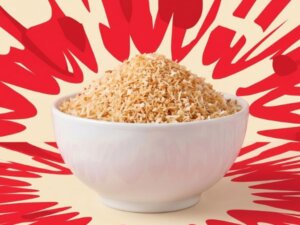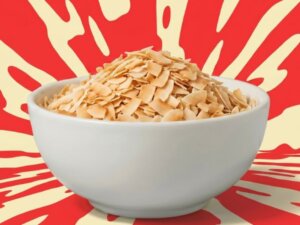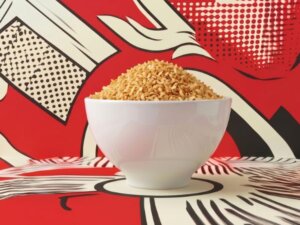






Bulk Desiccated Coconut Extra Fine | Unsweetened
$0.00
Request More Information
Need a quote, more info, or a sample? Fill out the form below, and we’ll be happy to help.
Are you a vendor? Please contact us here.
Product Data
| Botanical Name | Cocos nucifera |
|---|---|
| Origin Countries | Sri Lanka, Philippines, Indonesia |
| Product Use | garnishes, bakery products, breakfast products |










Production & Sourcing
Harvesting and Husking: Mature coconuts are harvested from coconut palm trees. The outer husk is removed to reveal the hard, brown coconut shell.
Separating the Meat: The white coconut meat is carefully separated from the brown inner skin (coconut testa) using a knife or specialized tools.
Washing the Meat: The coconut meat is washed thoroughly to remove any impurities or debris.
Drying: The washed coconut meat is then dried to reduce its moisture content. The goal is to eliminate most of the water content from the coconut meat without browning or toasting it.
Grinding: Once the coconut meat is completely dried, it is finely ground or shredded to achieve the desired extra fine grade. The grinding process breaks the coconut meat down into tiny particles, creating a soft and powdery texture.
And you have your Extra Fine Grade Unsweetened Desiccated Coconut!
Applications
- Bakery
- Desserts
- Frozen Desserts
- Dairy and Non-Dairy
- Garnishing
- Coatings ans Breading
- Smoothies
- Beverages – Wet
- Confectionary – Soft
- Breakfast Products
- Dressings and Sauces
- Gluten-Free and Grain-Free Products
- Breakfast Products
- Seasonal and Specialty Products
- Private Label
- Vegan Cooking
- Soups
Functionality
- Binding – Slight
- Texture
- Flavor Enhancer
- Shelf-Life Extension
Benefits
Extra fine grade unsweetened desiccated coconut has a delicate and subtle coconut flavor! Compared to coarser grades, the flavor is less pronounced, making it suitable for dishes where a milder coconut taste is desired.
As the name suggests, extra fine grade desiccated coconut has a very fine and powdery texture. It is lightweight and has an almost flour-like consistency.
The color of extra fine grade unsweetened desiccated coconut is typically pure white or slightly off-white.
Like other grades of desiccated coconut, the extra fine grade is a good source of healthy fats, dietary fiber, and essential minerals. It contains medium-chain triglycerides (MCTs), which are beneficial for energy and metabolism. Additionally, it provides essential nutrients such as iron, manganese, and copper. As with other coconut products, it is calorie-dense, so portion control is essential for those watching their calorie intake.
Extra fine grade unsweetened desiccated coconut undergoes a thorough drying process, which removes most of its moisture content. The low moisture level ensures a longer shelf life and prevents spoilage. Due to its fine texture, it may not have significant binding properties on its own, but it can be combined with other ingredients to create various dishes.
The aroma of extra fine grade unsweetened desiccated coconut is mild and pleasant, but less intense compared to coarser grades. When used in recipes, it can add a subtle coconut fragrance without overpowering other ingredients.
The delicate flavor and fine texture of extra fine grade desiccated coconut offer a well-balanced addition to recipes. It can be easily incorporated into both sweet and savory dishes without dominating the overall taste.
The fine texture of extra fine grade unsweetened desiccated coconut provides a smooth and soft mouthfeel, creating a pleasing contrast when used alongside crunchy or chewy ingredients in dishes.
Coconut is widely used in various cuisines around the world, especially in tropical and subtropical regions. Extra fine grade desiccated coconut may be preferred in specific culinary traditions where a finer texture is desired, such as in certain Asian and European desserts and baked goods.
Vegans and vegetarians can also consume it since it is derived from a plant-based source. As with any coconut product, individuals on calorie-restricted diets should be mindful of their consumption due to its calorie density. Additionally, people with specific dietary restrictions on saturated fat intake should consider their portion sizes since coconut contains notable amounts of saturated fats. As always, it is essential to consider individual dietary needs and consult a healthcare professional if necessary.
Uses in manufacturing
In food manufacturing, extra fine grade unsweetened desiccated coconut is a versatile ingredient used in various products to add coconut flavor, texture, and nutrition. Its fine texture allows for easy incorporation into a wide range of recipes. Here are some common uses of extra fine grade unsweetened desiccated coconut in food manufacturing:
It is commonly used in the production of cakes, cookies, biscuits, and pastries. The fine texture allows it to blend seamlessly into batters and doughs, providing a delicate coconut flavor and enhancing the overall texture of the baked goods.
Extra fine desiccated coconut is added to desserts such as puddings, custards, and rice-based sweets to infuse a subtle coconut taste and enhance the creamy texture.
It is used in the production of chocolates, truffles, and confectionery fillings, providing a smooth coconut flavor without altering the texture significantly.
It can be incorporated into granola, muesli, and other breakfast cereals, providing a natural coconut flavor and contributing to the overall nutrition of the product.
Extra fine desiccated coconut is used in dairy and non-dairy yogurt, ice cream, and milk alternatives to add a touch of coconut flavor and enhance the creaminess.
Extra fine desiccated coconut is used in gluten-free baking as a flour substitute or as an ingredient in gluten-free bread, muffins, and pancakes.
It is included in snack bars, energy bars, and nut clusters to add flavor and nutrition to the products.
In food manufacturing companies that produce ready-to-eat meals or meal kits, extra fine desiccated coconut is used in various Asian and tropical dishes for its delicate coconut flavor and fine texture.
Food manufacturers use extra fine desiccated coconut as a flavoring agent or garnish for various dishes, both sweet and savory, to add a subtle coconut essence and enhance visual appeal.
It is used as a coating for chicken, fish, and other proteins or as a crust for desserts like cheesecakes.
Extra fine desiccated coconut is often used in smoothies and coconut-flavored beverages, adding a mild coconut taste without creating a grainy texture.
In some food manufacturing processes, extra fine desiccated coconut is used in soups, sauces, and curries to impart a delicate coconut taste and thicken the liquids.

Main producing countries and Harvest time
Sri Lanka, The Philippines, Indonesia, and Thailand are the main producing countries of the coconut palm. The harvest season for coconuts varies depending on the specific location and climate. In general, coconuts can be harvested year-round in tropical regions, but there may be peak seasons when the fruit is most abundant.
Have more questions or interested in a quote?
Related Products
-

Bulk Desiccated Coconut Medium Sweetened
$0.00 Product Details -
Bulk Desiccated Coconut – Fine Toasted | Sweetened (Organic)
$0.00 Product Details -
Bulk Desiccated Coconut – Medium | Toasted | Unsweetened (Organic)
$0.00 Product Details -
Bulk Desiccated Coconut – Medium | Toasted | Unsweetened
$0.00 Product Details