WEST CALDWELL, NJ (November 25, 2025) — The U.S. Food and Drug Administration (FDA) has announced that The Ambriola Company is recalling select cheese products after routine testing confirmed the presence of Listeria monocytogenes. According to the FDA, this organism can cause serious and sometimes fatal infections in young children, frail or elderly people, and others with weakened immune systems. Although healthy individuals may suffer only short term symptoms such as high fever, severe headache, stiffness, nausea, abdominal pain and diarrhea, listeria infection can cause miscarriages and stillbirths among pregnant women. Out of an abundance of caution, the company is also recalling additional cheese products processed at the same facility in West Caldwell, New Jersey. No illnesses have been reported to date.
Ambriola Company recall: Quick summary
The Ambriola Company, one of the largest importers and distributors of specialty Italian cheese in the United States, has issued a voluntary recall for multiple brands of grated pecorino romano cheese after routine testing confirmed listeria contamination at its West Caldwell, New Jersey facility. The affected products were distributed nationwide between November 3 and November 20, 2025, and include Locatelli, Boar’s Head, Member’s Mark, Pinna, and Ambriola branded cheese sold in retail cups, bags, and by the pound. This recall has triggered a cascade effect across the retail landscape, prompting Walmart, Sam’s Club, Target, Wegmans, Kroger, Big Y, and other major retailers to remove affected products from shelves. The company has suspended production and distribution while conducting a thorough review of sanitation and food safety procedures. Consumers who purchased any affected products should not consume them and should either dispose of them or return them to the place of purchase for a full refund.
Official recall details
✦
Date the recall was issued: November 25, 2025
✦
Announced by: U.S. Food and Drug Administration (FDA)
✦
Company name: The Ambriola Company
✦
Product name: Multiple brands of grated pecorino romano cheese (Locatelli, Boar’s Head, Member’s Mark, Pinna, Ambriola)
✦
Type of issue: Listeria monocytogenes contamination confirmed by routine testing
✦
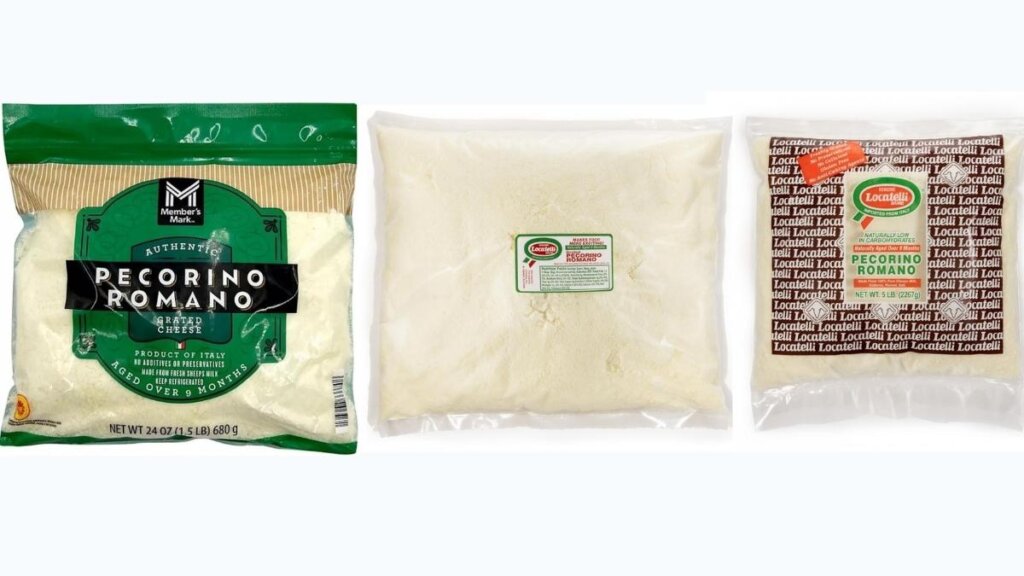
Product details: Multiple package sizes (4 oz, 6 oz, 8 oz cups; 1.5 lb bags; products sold by the pound) with expiration dates ranging from February 28, 2026 to May 17, 2026
✦
What consumers should do: Do not consume the product. Dispose of it or return it to the place of purchase for a full refund. Contact Ambriola at 1 800 962 8224 Monday through Friday from 9:00am to 4:00pm ET
Want to know more about what happened? Keep reading.
What happened?
The FDA said The Ambriola Company initiated the recall after routine testing confirmed the presence of Listeria monocytogenes at its West Caldwell, New Jersey processing facility. The company told regulators it discovered the contamination through its internal testing protocols and immediately began notifying retail stores and distributors to remove affected products from shelves.
The recall was announced on November 25, 2025, affecting products distributed nationwide between November 3 and November 20, 2025. The Ambriola Company, based in West Caldwell, New Jersey, is one of the largest importers and distributors of specialty Italian cheese and prosciutto di Parma from Italy. The company has been importing fine Italian cheeses since 1921 and was acquired by Auricchio S.p.A of Cremona, Italy in 2015.
The affected products include retail packaged items sold in exact weight containers and grated cheese sold by the pound at deli counters. The recall encompasses five major brands: Locatelli (the number one imported Italian cheese brand in America), Boar’s Head (two products manufactured for the brand), Member’s Mark (Sam’s Club private label), Pinna, and the Ambriola Company’s own brand.
In its recall alert, the FDA warned that Listeria monocytogenes is “an organism which can cause serious and sometimes fatal infections in young children, frail or elderly people, and others with weakened immune systems.”
Phil Marfuggi, chief executive officer of The Ambriola Company, stated in the recall notice:
“We take food safety very seriously and immediately alerted stores and distributors to remove the affected products from shelves. We are working closely with the FDA and continuing to test our products and facilities to fully understand the situation.”
The company’s recall notice added:
“Has suspended production and distribution of affected products as the Company conducts a thorough review of all sanitation and food safety procedures.”
The recall has prompted widespread action across the retail food industry. Major retailers including Walmart, Sam’s Club (covering 27 states), Target, Wegmans, Kroger, Big Y, Sprouts Farmers Market, and others have issued their own recall notices to customers and removed products from shelves. This demonstrates how quickly supplier level contamination can cascade throughout the entire retail distribution network.
Affected products
Brand | Product | Size | Expiration Dates | Issue |
|---|---|---|---|---|
Locatelli | Pecorino Romano Grated | 4 oz cup | 05/03/26, 05/10/26, 05/17/26 | Listeria |
Locatelli | Grated Pecorino Romano | 8 oz cup | 04/06/26, 04/11/26, 04/12/26, 04/15/26, 04/17/26 | Listeria |
Boar’s Head | Grated Pecorino Romano | 6 oz cup | 03/04/26, 03/12/26 | Listeria |
Member’s Mark | Pecorino Romano | 1.5 lb bag | 03/25/26, 03/30/26, 04/05/26 | Listeria |
Locatelli | Grated Pecorino Romano | Sold by pound | 03/04/26, 03/06/26, 03/11/26, 03/13/26 | Listeria |
Ambriola | Grated Pecorino Romano | Sold by pound | 02/28/26, 03/04/26, 03/11/26 | Listeria |
Pinna | Grated Pecorino Romano | Sold by pound | 03/11/26 | Listeria |
Boar’s Head | Pecorino Romano Grated | Sold by pound (bag) | 03/03/26, 03/12/26 | Listeria |
What caused the issue?
According to the FDA notice, the recall was triggered when routine testing conducted by The Ambriola Company confirmed the presence of Listeria monocytogenes at its processing facility in West Caldwell, New Jersey. Company officials said in the statement that out of an abundance of caution, they expanded the recall to include additional cheese products processed at the same facility even if they had not tested positive for contamination.
The agency confirmed that Listeria monocytogenes is particularly dangerous because it can survive and multiply at refrigerator temperatures, making contaminated cheese a persistent threat in home refrigerators. Unlike most foodborne pathogens that are killed or inhibited by cold temperatures, listeria has the unusual ability to continue growing even when food is properly refrigerated.
Listeria is one of the most serious foodborne pathogens in the United States. The Centers for Disease Control and Prevention estimates that approximately 1,600 people contract listeriosis annually, resulting in about 260 deaths, making it the third leading cause of death from foodborne illness. The bacterium is especially dangerous because it can form biofilms on food processing equipment surfaces, making it difficult to eliminate through standard cleaning and sanitation procedures.
People most at risk for severe listeria infection include young children, elderly adults (those over 65 are four times more likely to be infected), pregnant women, and individuals with weakened immune systems. For pregnant women, listeria poses particularly grave risks. While pregnant women may experience only mild flu like symptoms including fever, fatigue, and muscle aches, the infection can cause devastating consequences including miscarriage, stillbirth, premature delivery, or life threatening infection in newborns.
Symptoms of listeriosis in otherwise healthy individuals typically include high fever, severe headache, stiffness, nausea, abdominal pain, and diarrhea. In severe cases, the infection can spread beyond the gastrointestinal tract to cause meningitis (inflammation of the membranes surrounding the brain and spinal cord) or septicemia (blood infection). Symptoms can appear anywhere from a few days to several weeks after consuming contaminated food, with an average incubation period of three weeks, making it challenging to identify the source of infection.
The CDC notes that early symptoms of listeria infection often resemble other common foodborne infections, so it may not be diagnosed right away. However, when listeria spreads to the brain and causes serious illness like meningitis, symptoms can include severe headache, stiff neck, confusion, and loss of balance, requiring urgent medical attention.
Fortunately, no illnesses have been reported to date in connection with this recall. However, given the long incubation period for listeria infections, health officials are urging anyone who consumed the recalled cheese to monitor for symptoms. The FDA statement reminds consumers that “customers who have symptoms of listeria infection should contact their healthcare provider.”
Questions you might have
- What should I do if I already consumed this product? Monitor yourself closely for symptoms of listeria infection including high fever, severe headache, stiff neck, nausea, abdominal pain, or diarrhea. If you are pregnant, elderly, or have a weakened immune system, contact your healthcare provider immediately, even if you have no symptoms. Pregnant women should seek medical advice urgently, as listeria can cause serious complications.
- How can I identify if I have the recalled product? Check your refrigerator for any grated pecorino romano cheese with the brands Locatelli, Boar’s Head, Member’s Mark, Pinna, or Ambriola. Look for the specific package sizes (4 oz, 6 oz, or 8 oz cups; 1.5 lb bags; or products purchased by the pound) and check the expiration dates listed in the recall notice, which range from February 28, 2026 to May 17, 2026.
- Where can I return the recalled product? Return the product to the place of purchase for a full refund. Major retailers including Walmart, Sam’s Club, Target, Wegmans, Kroger, Big Y, and Sprouts Farmers Market are accepting returns of affected products.
- What are the symptoms of Listeria monocytogenes exposure? Symptoms include high fever, severe headache, stiffness, nausea, abdominal pain, and diarrhea. In pregnant women, listeria may cause only mild flu like symptoms but can lead to miscarriage, stillbirth, or severe newborn infection. In severe cases, symptoms can include confusion, loss of balance, and stiff neck if the infection spreads to the brain.
- How long after eating contaminated cheese would symptoms appear? Symptoms can appear anywhere from a few days to several weeks after consuming contaminated food. The average incubation period is about three weeks, which makes it difficult to identify the source of infection and why health officials urge monitoring even if no immediate symptoms develop.
- Are other Ambriola products affected? No. Only the specific pecorino romano cheese products listed in the recall notice are affected. The FDA stated that “no other Ambriola, Locatelli, Member’s Mark, Pinna, or Boar’s Head products are included in the recall.”
- Which retailers sold the recalled cheese? The products were distributed nationwide to retail stores and distributors. Known retailers include Walmart, Sam’s Club (27 states), Target, Wegmans (10 states), Kroger (Kentucky and Indiana), Big Y, and Sprouts Farmers Market, among others.
- Why is listeria particularly dangerous in cheese? Listeria monocytogenes can survive and multiply at refrigerator temperatures, unlike most other foodborne pathogens. It can also form biofilms on processing equipment, making it extremely difficult to eliminate from cheese production facilities. Hard cheeses like pecorino romano are typically considered lower risk than soft cheeses, but contamination can still occur during the grating and packaging process.
- Has production been stopped at the facility? Yes. The Ambriola Company has suspended production and distribution of affected products while conducting a thorough review of all sanitation and food safety procedures at its West Caldwell, New Jersey facility.
- Who should I contact with questions about this recall? Contact The Ambriola Company at 1 800 962 8224 Monday through Friday from 9:00am to 4:00pm ET. You can also email them at [email protected] with questions or concerns.
Here’s what you should do



If you purchased any Ambriola Company pecorino romano cheese products:
- Do not consume any of the recalled products, even if they look, smell, and taste normal
- Check your refrigerator immediately for the recalled brands: Locatelli, Boar’s Head, Member’s Mark, Pinna, or Ambriola grated pecorino romano cheese
- Verify the expiration dates match those listed in the recall (February 28, 2026 through May 17, 2026)
- Return the product to the place of purchase for a full refund, or safely dispose of it
- Clean and sanitize all surfaces, cutting boards, utensils, and refrigerator shelves that came in contact with the cheese, as listeria can spread to other foods and surfaces
- Wash your hands thoroughly after handling the recalled product
- Monitor for symptoms if you have already consumed the product, especially if you are in a high risk group (pregnant, elderly, young children, or immunocompromised)
- Contact Ambriola at 1 800 962 8224 (Monday through Friday, 9:00am to 4:00pm ET) or email [email protected] with questions
- Seek immediate medical attention if you develop symptoms of listeria infection, particularly if you are pregnant, as early treatment is crucial
Behind the brand
The Ambriola Company has been importing the finest Italian cheeses to America since 1921, making it one of the most established specialty cheese importers in the United States. Based in West Caldwell, New Jersey, at 7 Patton Drive, the company has built its reputation as the premier importer of authentic Italian specialty cheeses and prosciutto di Parma.
In 2015, The Ambriola Company was acquired by Auricchio S.p.A of Cremona, Italy, a renowned cheese maker dating back to 1877. As a wholly owned subsidiary of Auricchio, The Ambriola Company continues to operate at its West Caldwell location and serves as the sole importer of two of the most recognized brands of specialty cheese from Italy: Auricchio Provolone and the Locatelli brand. Locatelli is the number one imported Italian cheese brand in America, known for its pecorino romano made from 100 percent pure sheep’s milk.
The company specializes in importing authentic Italian cheeses including Locatelli Pecorino Romano, Auricchio Provolone, Giovanni Colombo Gorgonzola and Taleggio, and artisanal dry cured meats. Ambriola serves foodservice operators, distributors, and retailers nationwide, offering bulk, cut, grated, and converted cheese formats.
Source86 reached out to The Ambriola Company for additional comment beyond the official recall statement, but has not yet received a response.
The company’s recall notice states that it has “suspended production and distribution of affected products as the Company conducts a thorough review of all sanitation and food safety procedures.” Phil Marfuggi, chief executive officer, stated that the company is “working closely with the FDA and continuing to test our products and facilities to fully understand the situation.”
Other relevant recalls
This widespread recall is part of an escalating pattern of listeria contamination in cheese processing facilities across the United States. The Ambriola Company recall has triggered a massive multi retailer response affecting Wegmans, Walmart, Sam’s Club, Target, and other major retailers across the nation. The contamination has cascaded from the supplier level through the entire retail distribution network, demonstrating the vulnerability of the food supply chain when processing level contamination occurs.
As part of the broader Ambriola contamination issue, Wegmans issued a specific recall for Locatelli Grated Pecorino Romano Cheese sold between November 14 and November 24, 2025. The Locatelli recall affects all lot codes of cheese packaged in plastic tubs with Wegmans’ scale labels and distributed across 10 states and Washington DC. Similarly, Boar’s Head recalled pecorino romano cheese products including 6 ounce containers of grated pecorino romano and prepared Caesar salad and wrap products sold at Kroger stores in Kentucky and Indiana.
This safety alert is part of a widening concern regarding this specific category of imported hard cheeses. Highlighting the scope of the potential contamination, the industry recently saw a parallel move when Boar’s Head recalled Pecorino Romano cheese
due to identical Listeria monocytogenes risks. The succession of these high-profile recalls suggests a possible upstream issue within the shared supply chain or imported raw material sources for these retail-ready deli products.
Eran Mizrahi, CEO of Source86, said: “The Ambriola Company recall represents one of the most significant supplier level contamination events we’ve seen in recent years, affecting multiple major brands and retailers simultaneously. When listeria establishes itself in a processing facility, it can persist for months or even years despite aggressive cleaning protocols. This is why environmental monitoring programs must go beyond surface level testing to include comprehensive facility assessments, air sampling, and drain testing. The recall underscores a critical truth: in today’s interconnected food system, a single supplier’s contamination event can ripple across hundreds of stores and millions of consumers within days. For food manufacturers and retailers, this means implementing multi layered verification systems including supplier audits, incoming product testing, environmental monitoring, and robust traceability systems. At Source86, we work with companies to build resilient food safety programs that can detect problems early and respond decisively before they escalate into widespread public health threats. The cost of comprehensive food safety programs is always less than the cost of a recall.”
Ensuring safe eats
This recall highlights the persistent and complex challenge of controlling Listeria monocytogenes in cheese processing environments. Unlike most foodborne pathogens, listeria thrives in cold, moist conditions typical of cheese production facilities. The bacterium’s ability to form biofilms on stainless steel equipment surfaces means that even facilities with rigorous cleaning protocols can harbor persistent contamination in hard to reach areas like drain systems, conveyor belts, and grating equipment.
For cheese manufacturers and processors, comprehensive environmental monitoring programs are no longer optional—they are essential. These programs must extend beyond finished product testing to include regular swabbing of food contact surfaces, environmental sampling from drains and floors, air quality monitoring, and verification of sanitation effectiveness. When listeria is detected, companies must conduct root cause investigations that go beyond surface cleaning to identify harborage sites and implement structural improvements or equipment modifications.
The Ambriola Company’s decision to suspend production while conducting a thorough review of sanitation and food safety procedures represents responsible action. However, this incident raises important questions about how contamination became established in a facility operated by a reputable, century old company. The answers will likely involve examining sanitation protocols, employee training, equipment maintenance, facility design, and the effectiveness of existing environmental monitoring programs.
For consumers who purchased any of the recalled pecorino romano cheese products, the guidance is clear: do not consume the product under any circumstances. The presence of listeria cannot be detected by appearance, smell, or taste. Even cooking the cheese may not be sufficient protection, as cross contamination during handling can spread the bacteria to other foods, surfaces, and utensils. Return the product for a refund and thoroughly clean all surfaces that contacted it.
This recall affects products with expiration dates extending into May 2026, meaning the recalled cheese could remain in consumer refrigerators for months if not identified and removed. Given listeria’s ability to survive and grow at refrigerator temperatures, these products pose an ongoing risk until they are eliminated from the food supply.
At Source86, we help food manufacturers, importers, and retailers implement comprehensive food safety management systems designed to prevent listeria contamination before it reaches consumers. Our services include facility assessments, environmental monitoring program development, supplier verification audits, HACCP plan creation and validation, employee training programs, and rapid response protocols. We work with cheese importers, processors, and retailers to identify potential harborage sites, implement effective sanitation verification procedures, and establish the multi layered testing and monitoring systems necessary to detect contamination early. Our approach emphasizes prevention over reaction, building food safety into every stage of production from supplier selection through final package. Contact us!