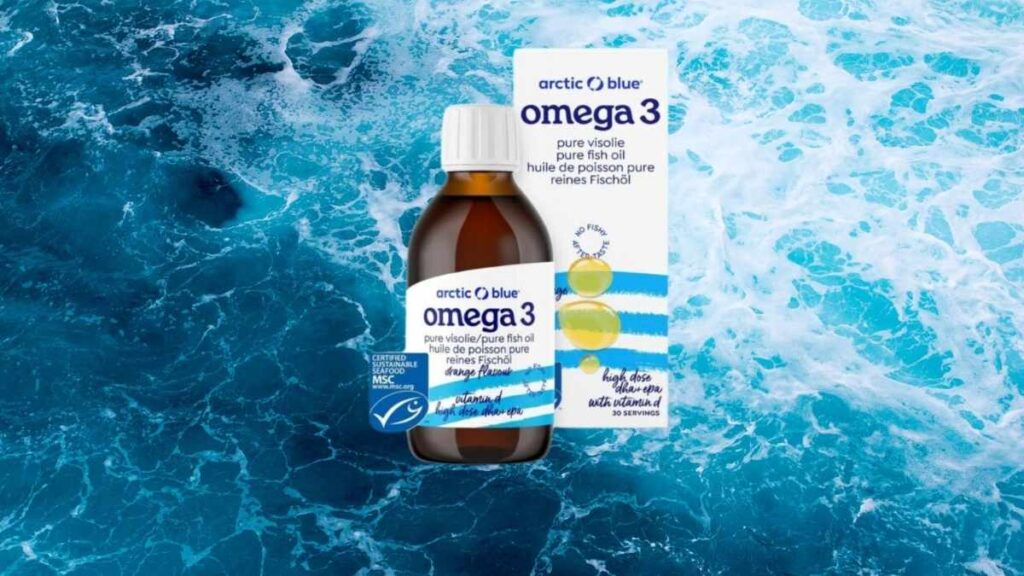
In a world increasingly aware of the environmental damage we’re causing, more and more businesses are stepping up to play their part in protecting our planet. One company leading the way in the wellness sector is Arctic Blue, a Dutch fish oil brand that has set the bar high when it comes to sustainability. Their approach to sourcing fish oil is as clean as their products, and they’re proving that it’s possible to operate a successful business while being responsible stewards of the oceans. Let’s find out more!
The growing crisis
The global pollution crisis continues to worsen, and it’s not just something we see in the headlines—it’s something happening beneath the waves. According to a recent report by NOAA Ocean Exploration, deep-sea expeditions in the Tropical Atlantic and Caribbean Sea have uncovered widespread debris, including plastics, glass, and metal waste. These findings are a stark reminder of how far pollution has reached, even in some of the most remote and previously untouched areas of the ocean. As ocean pollution increases, it’s crucial for companies that rely on the sea to act responsibly and help mitigate the damage. This is where Arctic Blue comes in. Their fish oil is sourced from the clean, cold waters of the Barents Sea off the coast of Northern Norway. The Barents Sea is one of the cleanest bodies of water in the world, far from the plastic-filled “garbage patches” that are threatening marine life in the Pacific and other oceans. But just because Arctic Blue has access to pristine waters doesn’t mean they’re resting on their laurels—they’ve built their entire business model around sustainability.
“Our fish oil is made from fresh Arctic wild cod that swims in the Barents Sea off the coast of Northern Norway,” explains company founder Ludo van de Wiel. “This is one of the cleanest waters in the world, far away from the plastic soup in the Pacific Ocean between Asia and South America.”
Clean fish, clean oceans!

Ludo van de Wiel, the founder of Arctic Blue, started the company with a simple yet powerful goal: to create a fish oil that was clean, high-quality, and free of the harsh aftertaste that makes many supplements hard to swallow. With a master’s degree in biotechnology and a passion for health and wellness, he was determined to find a better way to nourish his family with Omega-3s. But the founder didn’t just want to create a great product—he also wanted to ensure that Arctic Blue’s impact on the environment was as minimal as possible.
“While we can get clean, soft, low-oxidation fish oil from the Barents Sea, it is our responsibility to keep those waters pristine for future generations,” he explains. “Our fish oil products come from freshly caught fish filet trimmings, meaning despite their quality, they are a byproduct of other commercial activities and don’t add to the oceanic pollution in and of themselves. Our products are also produced by sustainable fisheries and bear the MSC quality mark.”
So, how does Arctic Blue make sure their fish oil doesn’t contribute to ocean pollution? The fish oil is then made from filet trimmings, which means it’s a byproduct of other commercial fishing activities, rather than something caught solely for the purpose of supplement production. This not only reduces waste but also helps prevent overfishing. Additionally, Arctic Blue works closely with sustainable fisheries and holds the prestigious MSC (Marine Stewardship Council) certification, which ensures that the fish they use are caught in an environmentally responsible manner. The MSC label is a mark of quality and sustainability that signals to consumers that Arctic Blue is committed to preserving the oceans and their ecosystems.
Sustainability is where it’s at!
Sustainability has become a critical focus for companies across all industries, as the world grapples with the challenges of climate change, resource depletion, and environmental degradation. For businesses, embracing sustainable practices isn’t just about meeting regulatory requirements or responding to consumer demand—it’s about ensuring long-term viability. Companies that prioritize sustainability help reduce their environmental impact, conserve resources, and contribute to a healthier planet. Moreover, sustainable practices often lead to innovation, cost savings, and improved brand reputation. Consumers today are increasingly aware of the environmental footprint of their purchases, and many are choosing to support businesses that share their values. In this sense, sustainability is not only an ethical responsibility but also a competitive advantage, helping businesses build trust, loyalty, and a positive impact on the world
Wanna know more? Talk to our team!