We don’t like junk emails either.
That’s why we only send the good stuff… short, smart, and worth the open.

Source86
Importer of specialty raw ingredients, finished products and anything in between
The brands we supply can be found nationwide at






$0.00
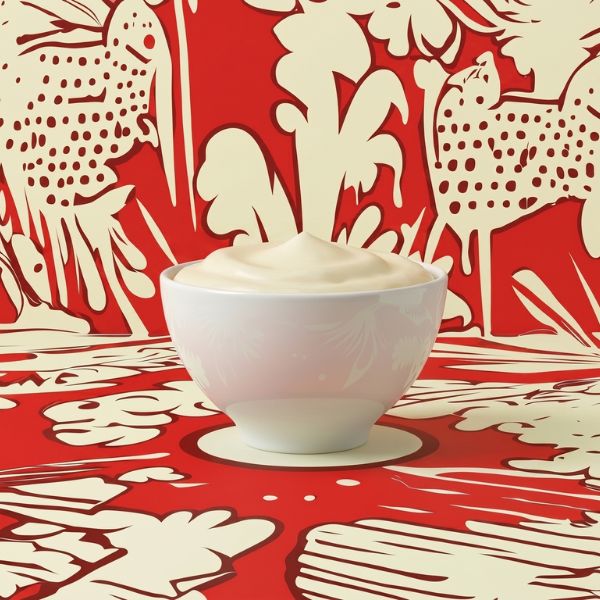
Experience the smooth and creamy goodness of our Organic Coconut Butter! Made from 100% organic coconuts, this ingredient is something you don’t want to miss out on!
There are so many ways to use Organic Coconut Butter! Spread a dollop of this tropical delight on your morning toast, pancakes, waffles and french toast. Incorporate it into your baking recipes such as cookies, cakes and muffins for a moist and flavorful outcome. Take your smoothies to a smoother and creamier level by blending in this velvety butter. Organic Coconut Butter can also be added to savory dishes such as curries, stir-fries and sauces! It’s rich in healthy fats that nourish your body and provide sustained energy. Plus, it contains essential vitamins, minerals, and fiber, making it a guilt-free indulgence that supports your well-being. Our Organic Coconut Butter is available for bulk purchases and is Non-GMO and free from major allergens. Transport yourself into creamy, buttery, tropical paradise with Organic Coconut Butter!
Need a quote, more info, or a sample? Fill out the form below, and we’ll be happy to help.
Are you a vendor? Please contact us here.
| Botanical Name | Cocos nucifera |
|---|---|
| Origin Countries | Sri Lanka, Phillipines |
| Pack Size | 20 kg Pail |
| Product Shelf Life | 24 Months in packaging, use 3-4 days within opening |
| Product Use | Dairy-Free Alternative |
| Shipping / Storage | Store in a cool, dry place which is free from extraneous odors and away from direct sunlight. |




Coconut Flesh Extraction: The first step involves removing the white flesh from mature organic coconuts. The white flesh, also known as coconut meat, is then collected.
Grinding and Blending: The collected coconut flesh is ground or blended into a smooth paste or puree. The grinding process helps break down the coconut meat and release its natural oils.
Melting and Mixing: The ground coconut paste is then heated to melt the oils within the coconut meat. This is typically done using gentle heat to ensure that the natural nutrients and flavors are preserved. During this step, the melted coconut oil and the solid coconut flesh blend together to form a smooth and creamy consistency.
Cooling and Solidification: Once the coconut mixture is well-blended, it is allowed to cool and solidify. As it cools, the mixture transforms into a solid state, resulting in the characteristic creamy texture of coconut butter.
And you have your Organic Coconut Butter!
Organic coconut butter has a rich, creamy, and mildly sweet flavor! It offers a distinct coconut taste that is often described as nutty and tropical.
Organic coconut butter has a smooth and creamy texture. It is solid at room temperature but easily melts upon heating. When spread on bread or used in recipes, it provides a luscious and velvety texture!
Organic coconut butter typically has a creamy white or off-white color.
Organic coconut butter is a nutrient-dense food. It is a good source of healthy fats, including medium-chain triglycerides (MCTs). MCTs are easily digested and provide a quick source of energy. Coconut butter also contains fiber, vitamins, minerals (such as iron and potassium), and antioxidants. However, it is important to note that coconut butter is high in calories and fat, so portion control is recommended.
Organic coconut butter has natural oils that contribute to its smooth and creamy consistency. When used in baking or cooking, it can provide moisture and act as a binding agent. It can help hold ingredients together in recipes like energy bars, cookies, or pie crusts.
Organic coconut butter has a pleasant and enticing aroma. Its natural coconut scent adds a tropical and inviting fragrance to dishes and baked goods.
Organic coconut butter offers a well-balanced flavor profile, with its natural sweetness and nutty undertones. It provides a harmonious combination of flavors that can enhance both sweet and savory recipes.
Organic coconut butter can provide a creamy and rich contrast to other ingredients in recipes. Its velvety texture and slightly sweet taste can create a balance when paired with ingredients that are tangy, salty, or spicy.
Coconut butter is widely used in tropical and coastal regions where coconuts are abundant, such as Southeast Asia, the Caribbean, and Pacific Islands. It has a long history of culinary use in these cultures and is a staple ingredient in many traditional dishes.
Organic coconut butter is suitable for various dietary considerations. It is naturally vegan, gluten-free, and dairy-free, making it a popular choice for individuals with specific dietary needs or restrictions. Coconut butter is also often used in ketogenic and paleo diets due to its high-fat content and the presence of MCTs, which can provide sustained energy and support ketosis.
Our Organic Coconut Butter can last to 24 months when stored properly. When opened, store in an air-tight container and keep refrigerated.
In food manufacturing, organic coconut butter is used in various ways. Here are some common applications:
Coconut butter can be used as a base for spreads and fillings. It can be combined with other ingredients such as sweeteners, nuts, or cocoa to create delicious spreads for toast, sandwiches, or as fillings for pastries and chocolates.
Organic coconut butter can be used in the production of baked goods and confectionery items. It adds richness, moisture, and flavor to recipes like cookies, cakes, muffins, brownies, and truffles. It can be used as a substitute for traditional fats like butter or oil, providing a unique coconut taste and texture to the final products.
Organic coconut butter is a common ingredient in the production of nutritional bars, energy bites, and protein balls. It serves as a binding agent that helps hold the ingredients together while adding creaminess and flavor. Coconut butter’s high-fat content also provides a source of sustained energy.
In the manufacturing of dairy-free and vegan products, coconut butter can be used as a substitute for dairy fats. It can be incorporated into non-dairy ice creams, yogurts, and desserts to provide a creamy texture and enhance flavor.
Organic coconut butter can be used in the production of sauces and dressings, particularly in recipes that benefit from a touch of coconut flavor. It can add richness and thickness to sauces, providing a smooth and creamy texture.
Coconut butter can be added to smoothies, shakes, and beverages to enhance the flavor and creaminess. It can contribute to the overall mouthfeel and create a tropical twist to the drinks.
Organic coconut butter can be incorporated into snack products like granola bars, trail mixes, and snack bites. It acts as a binding agent, adds flavor, and provides a source of healthy fats.

The Philippines, Indonesia, Thailand and Sri Lanka are the main producing countries of the coconut plant. The harvest season for coconuts varies depending on the specific location and climate. In general, coconuts can be harvested year-round in tropical regions, but there may be peak seasons when the fruit is most abundant.