





Bulk Coconut Chips Unsweetened
$0.00
Request More Information
Need a quote, more info, or a sample? Fill out the form below, and we’ll be happy to help.
Are you a vendor? Please contact us here.
Product Data
| Botanical Name | Cocos nucifera |
|---|---|
| Origin Countries | Sri Lanka |
| Pack Size | 10 kgs Paper Carton, 35 kgs Paper Carton |
| Product Shelf Life | 12 months |
| Product Use | Blend into trail mixes |
| Shipping / Storage | Dry / Ambient |









Production & Sourcing
Coconut Flesh Extraction: The first step involves removing the white flesh from mature coconuts. The coconuts are cracked open, and the flesh is separated from the hard shell. The white flesh, also known as coconut meat, is then collected.
Coconut Meat Slicing: The collected coconut meat is thinly sliced or shredded into small pieces using specialized equipment. This slicing process creates thin, flat pieces that resemble chips or flakes.
Drying: The sliced coconut meat is then dried to remove moisture. The drying process helps preserve the coconut chips, extend their shelf life, and enhance their crisp texture.
And you have your Unsweetened Coconut Chips!
Applications
- Snacks Savory
- Bakery
- Snacks – Sweet
- Confectionary – Hard
- Confectionary – Soft
- Bars and Cereals
- Breading
- Smoothies
- Private Label
- Paleo
- Keto
- Plant-Based Product Manufacturing
- Vegetarian cooking
- Vegan Cooking
Functionality
- Topping
- Crispiness
- Dietary Fiber Enrichment
Benefits
Unsweetened coconut chips have a mild and nutty flavor with a subtle sweetness! Compared to sweetened coconut chips, unsweetened ones have a more subdued sweetness and allow the natural flavor of the coconut to shine.
Unsweetened coconut chips have a crisp and crunchy texture. They offer a satisfying bite with a slight chewiness. The texture can vary depending on the specific product, with some chips being thinner and lighter while others may be thicker and heartier.
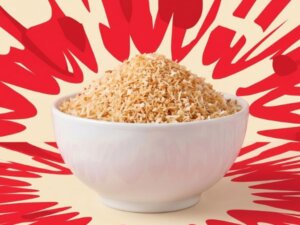
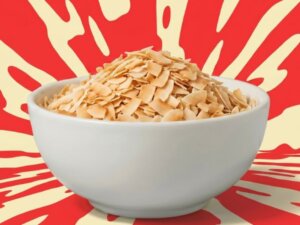
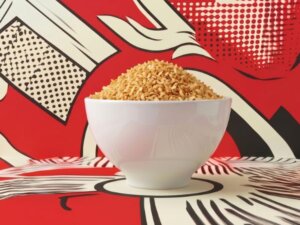
Unsweetened coconut chips typically have a light to medium brown color
Unsweetened coconut chips are nutrient-dense and provide several beneficial nutrients. They are a good source of healthy fats, fiber, vitamins, and minerals. Coconut chips are particularly rich in medium-chain triglycerides (MCTs), which are easily digestible and provide a quick source of energy. However, due to their high-fat content, they are also calorically dense, so portion control is recommended.
Unsweetened coconut chips contain natural oils, which help provide moisture to the chips and contribute to their crisp texture. While they do not have significant binding properties on their own, they can be used as an ingredient to add texture and flavor to recipes, such as granola, baked goods, or savory dishes
Unsweetened coconut chips have a pleasant and aromatic coconut scent. The natural aroma enhances the sensory experience when enjoying the chips.
Unsweetened coconut chips offer a well-balanced flavor profile, with their subtle sweetness and nutty undertones. They provide a harmonious combination of flavors that can complement both sweet and savory recipes.
Unsweetened coconut chips can provide a crunchy and textural contrast when used in various dishes. Their crispness and mild sweetness can create an interesting contrast when paired with ingredients that are soft, chewy, or have contrasting flavors.
Coconut is widely used in tropical regions where coconuts are abundant, such as Southeast Asia, the Caribbean, and the Pacific Islands. Unsweetened coconut chips are popular ingredients in many traditional dishes and snacks from these cultures, reflecting their cultural influence.
Unsweetened coconut chips are suitable for various dietary considerations! They are naturally vegan and dairy-free, making them a popular choice for individuals with specific dietary needs or restrictions. They can be enjoyed by those following paleo, keto, or plant-based diets.
Our Unsweetened Coconut Chips has a shelf life of 12 months when stored in a cool, dry place away from direct sunlight.
Uses in manufacturing
In food manufacturing, unsweetened coconut chips are used in various ways. Here are some common applications.
Unsweetened coconut chips can be added to breakfast cereals and granola mixes. They provide a crunchy element and a subtle coconut flavor that enhances the overall taste of the cereal or granola.
Unsweetened coconut chips can be used in savory recipes to add a touch of texture and flavor. They can be sprinkled on salads, incorporated into stir-fries, used as a topping for curries, or added to grain-based dishes for a unique twist.
Unsweetened coconut chips can be ground into smaller pieces or processed into a finer texture and used as a coating or breading for meat, seafood, or vegetables. The coconut chips can add a delightful crunch and a hint of coconut flavor to the coated items.
Unsweetened coconut chips can be sprinkled on top of yogurt bowls or added as a topping for smoothies. They provide an interesting textural element and a subtle coconut taste that complements the creaminess of the yogurt or smoothie.
Unsweetened coconut chips can be used as an ingredient in bakery and confectionery items. They can be incorporated into cookies, cakes, muffins, bread, granola bars, and energy bars to add texture, flavor, and visual appeal. Coconut chips can also be used as a topping for desserts like cakes, pies, or ice cream.
Unsweetened coconut chips can be included as an ingredient in food bars, such as energy bars or protein bars. They can also be used in premixed products like granola mixes, snack mixes, or trail mixes, providing a natural and flavorful component to the overall product.
Unsweetened coconut chips are often used as a standalone snack item. They can be packaged and sold as a ready-to-eat snack, offering a crunchy and satisfying texture. Coconut chips can be enjoyed on their own or mixed with other ingredients like nuts, dried fruits, or seeds in snack mixes or trail mixes.

Main producing countries and Harvest time
The Philippines, Indonesia, Thailand and Sri Lanka are the main producing countries of the coconut plant. The harvest season for coconuts varies depending on the specific location and climate. In general, coconuts can be harvested year-round in tropical regions, but there may be peak seasons when the fruit is most abundant.
Have more questions or interested in a quote?
Related Products
-

Bulk Desiccated Coconut – Fine Toasted | Sweetened (Organic)
$0.00 Product Details -
Bulk Desiccated Coconut – Medium | Toasted | Unsweetened (Organic)
$0.00 Product Details -
Bulk Desiccated Coconut – Medium | Toasted | Unsweetened
$0.00 Product Details -
Bulk Desiccated Coconut Medium Sweetened
$0.00 Product Details