We don’t like junk emails either.
That’s why we only send the good stuff… short, smart, and worth the open.

Source86
Importer of specialty raw ingredients, finished products and anything in between
The brands we supply can be found nationwide at







$0.00
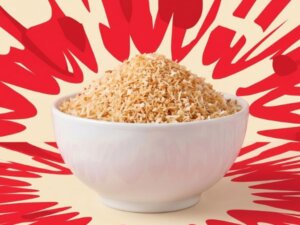
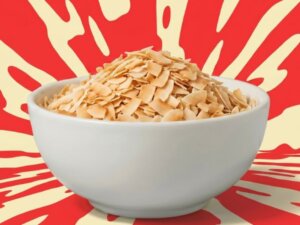
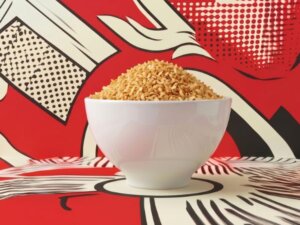
Source86 Bulk Coconut Milk is expertly processed to retain the humble coconut’s creaminess, tropical aroma, and natural richness! 🥥
Use Coconut Milk as a flavor enhancer in both sweet and savory dishes. Its rich, tropical flavor adds depth and richness to recipes, enhancing the overall taste profile.
It is suitable for diverse food manufacturing processes—soups, sauces, desserts, ice creams, baked goods, and more—providing a consistent and flavorful coconut base!
Our Bulk Coconut Milk is available in the following variants:
🥥 Coconut Milk | 17% (Conventional)
🥥 Coconut Milk | 17% (Organic)
🥥 Coconut Milk | 17% with Guar Gum (Conventional)
🥥 Coconut Milk | 17% with Guar Gum (Organic)
🥥 Coconut Milk | 18% (Conventional)
This ingredient is available in bulk quantities and customized pack sizes that cater to your wholesale business needs! 📦
Request for a Quote now to get started! 📨
Source86 is your number-one supplier for premium bulk raw ingredients! ☝🏼
From sourcing to importing, our global team of trusty sourcerers is committed to getting you only the best ingredients in the market! 💯
If what you need is a Retail-Ready Coconut Milk solution, this is for you!
Need a quote, more info, or a sample? Fill out the form below, and we’ll be happy to help.
Are you a vendor? Please contact us here.
| Botanical Name | Cocos nucifera |
|---|---|
| Origin Countries | Sri Lanka, The Philippines, Indonesia, and Thailand |
| Product Use | food, food supplements, dietary, culinary and beauty applications |
| Shipping / Storage | Dry / Ambient |







Coconut milk is produced by grating the white flesh of mature coconuts and blending it with hot water.
This mixture is strained through a cheesecloth or fine sieve to extract the liquid, resulting in what’s known as the first press, or thick coconut milk. To make thinner coconut milk, the strained coconut meat is further soaked or blended with more water and then strained again.
The mixture is pressed to extract a milky liquid, yielding the second press, or thinner coconut milk.
Coconut milk boasts a rich, creamy, and subtly sweet taste with a distinct coconut flavor, varying in intensity based on its concentration.
It has a smooth and creamy texture, similar to dairy cream but with a slightly thicker consistency.
Fresh coconut milk appears white and opaque, while canned or packaged versions might vary in color, ranging from white to off-white or even slightly translucent.
It’s rich in healthy saturated fats, including medium-chain triglycerides (MCTs), which are believed to offer various health benefits. Coconut milk also contains vitamins C, E, B vitamins, and minerals such as iron, magnesium, and potassium. However, it’s high in calories and saturated fats.
Coconut milk is a liquid with natural fats and moisture content. Its binding properties can be useful in recipes, especially in creating smooth textures in dishes.
It emits a delightful tropical aroma, adding a pleasant fragrance to culinary creations when used as an ingredient.
The creamy texture and coconut flavor of coconut milk serve as a base for both sweet and savory dishes, offering a distinct tropical taste that complements various cuisines.
It’s a fundamental ingredient in Southeast Asian, Indian, Caribbean, and Pacific Island cuisines, playing a vital role in traditional dishes and beverages.
While suitable for vegan, vegetarian, and lactose-intolerant diets as a dairy alternative, coconut milk is high in calories and saturated fats, so moderation is advised, especially for individuals with specific dietary restrictions or concerns about fat intake.
Incorporated into beverages like smoothies, shakes, and cocktails, adding a creamy texture and a tropical coconut flavor.
A key ingredient in savory dishes such as curries, soups, stews, and sauces, providing richness, depth of flavor, and a creamy consistency. It’s often used in Southeast Asian, Indian, and Caribbean cuisines to impart a distinctive coconut taste.
Included in baking recipes like cakes, muffins, and desserts to enhance moisture, texture, and impart a subtle coconut essence. It’s also used in creamy desserts such as puddings and custards.
Used as a dairy substitute in vegan and dairy-free products like non-dairy creams, yogurts, and ice creams, offering a creamy texture and coconut flavor.
Incorporated into ready-to-eat meals, instant noodles, and seasoning mixes to provide a coconut milk base or enhance the flavor profile.
Included in nutritional supplements, protein powders, and meal replacements to offer a source of healthy fats and a creamy texture.
Utilized in sauces, marinades, and dressings to add richness and creaminess to dishes, particularly in fusion cuisines.
Utilized in snack foods like granola bars and energy bars to enhance flavor and texture, offering a subtle coconut taste.

Sri Lanka, The Philippines, Indonesia, and Thailand are the main producing countries of the coconut palm. The harvest season for coconuts varies depending on the specific location and climate. In general, coconuts can be harvested year-round in tropical regions, but there may be peak seasons when the fruit is most abundant.