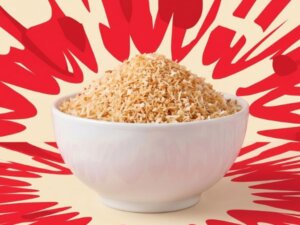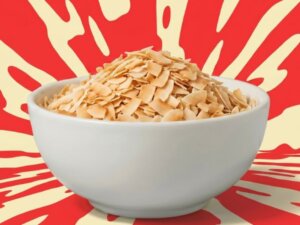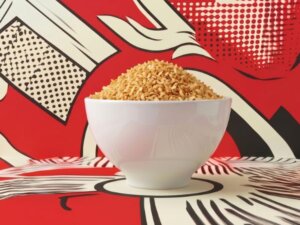






Bulk Desiccated Coconut Course Grade Unsweetened
$0.00
Request More Information
Need a quote, more info, or a sample? Fill out the form below, and we’ll be happy to help.
Are you a vendor? Please contact us here.
Product Data
| Botanical Name | Cocos nucifera |
|---|---|
| Origin Countries | Sri Lanka, Philippines |
| Pack Size | 25 kg |
| Product Shelf Life | 12 months |
| Product Use | Blend into trail mixes |
| Shipping / Storage | Dry / Cool / Ambient |






Production & Sourcing
Harvesting and Husking: Mature coconuts are harvested from coconut palm trees. The outer husk is removed to reveal the hard, brown coconut shell.
Separating the Meat: The white coconut meat is carefully separated from the brown inner shell.
Washing the Meat: The coconut meat is washed to remove any debris or impurities that might be clinging to it.
Grating: The washed coconut meat is then grated using a coarse grater, resulting in larger shreds or flakes of coconut. The coarser the grating, the larger the coconut pieces will be.
Drying: The grated coconut is spread out in a thin layer on drying racks or trays. It is then exposed to low heat or warm air to remove moisture gradually. The drying process is essential to reduce the moisture content, extend shelf life, and prevent spoilage.
Cooling and Packaging: After the coconut is thoroughly dried, it is allowed to cool down to room temperature.
And you have your Coarse Grade Unsweetened Desiccated Coconut!
Applications
- Smoothie Bowls
- Bakery
- Snacks – Sweet
- Trail Mixes and Snack Mixes
- Bars and Cereals
- Snack Bars and Energy Bites
- Confectionary – Hard
- Confectionary – Soft
- Dairy and Non-Dairy
- Smoothies
- Yoghurt and Smoothie Topping
- Frozen Desserts
- Desserts
- Private Label
- Vegetarian cooking
- Vegan Cooking
- Gluten-Free and Grain Free products
Functionality
- Flavor Enhancer
- Texture
- Dietary Fiber Enrichment
- Antioxidants
- Visual Appeal
- Natural Sweetener
Benefits
Coarse grade unsweetened desiccated coconut has a mild and nutty flavor! Since it is unsweetened, it lacks the sweetness commonly found in sweetened coconut flakes.
The texture of coarse grade desiccated coconut is relatively coarse and rough compared to finer grades. It consists of larger shreds or flakes of coconut meat. The coarser texture provides a chewier and more substantial mouthfeel.
The color of coarse grade unsweetened desiccated coconut is typically off-white or cream-colored.
Unsweetened desiccated coconut is a good source of healthy fats, dietary fiber, and essential minerals. It is rich in medium-chain triglycerides (MCTs), which are beneficial for energy and metabolism. Additionally, it contains essential nutrients like iron, manganese, and copper. However, it is also calorie-dense, so portion control is essential, especially for those watching their calorie intake.
Coarse grade desiccated coconut is dried thoroughly during the processing, which removes most of its moisture content. The low moisture level ensures a longer shelf life and prevents spoilage. The natural oils present in coconut provide a certain level of binding capacity, making it suitable for various recipes where the coconut’s texture is essential.
Unsweetened desiccated coconut has a subtle, pleasant coconut aroma. When toasted, the aroma becomes more pronounced, adding a delightful nutty fragrance to dishes.
The flavor and texture of coarse grade unsweetened desiccated coconut offer a balanced combination of nuttiness and chewiness. It can add a tropical touch to both sweet and savory dishes without overwhelming other flavors.
The coarse texture of unsweetened desiccated coconut provides a pleasant contrast to smooth and creamy textures in dishes. It adds a satisfying crunch and chewiness when sprinkled on top of desserts, salads, or curries.
Coconut is widely used in tropical and subtropical regions, especially in South Asia, Southeast Asia, and parts of the Caribbean. It holds cultural significance in various cuisines, and desiccated coconut is a versatile ingredient used in both sweet and savory dishes, such as curries, desserts, chutneys, and baked goods.
Coarse grade unsweetened desiccated coconut is suitable for various dietary preferences and requirements. However, due to its high fat content, it is calorie-dense, so individuals on calorie-restricted diets should consume it in moderation. Additionally, while coconut contains healthy fats, it is still high in saturated fats, so individuals with specific dietary restrictions on saturated fat intake should be mindful of their consumption. Vegans and vegetarians can enjoy desiccated coconut as it comes from a plant-based source.
Uses in manufacturing
In food manufacturing, coarse grade unsweetened desiccated coconut is a versatile ingredient that finds its way into a wide range of products. Its unique texture and flavor make it a valuable addition to various sweet and savory food items. Here are some common uses of coarse grade unsweetened desiccated coconut in food manufacturing:
Coarse desiccated coconut is used in the production of cakes, muffins, cookies, and other baked goods. It can be sprinkled on top of pastries to add a crunchy texture or incorporated into the batter to infuse the coconut flavor throughout the product.
It is a popular inclusion in cereal bars and granola bars, providing not only flavor but also texture and nutrition.
It is used in the production of coconut-flavored ice cream, frozen yogurt, and other dairy-based desserts.
In food manufacturing companies that produce ready-to-eat meals or meal kits, coarse desiccated coconut is used in various Asian and Indian dishes, such as curries, stews, and rice dishes, to impart an authentic coconut flavor and texture.
Coarse desiccated coconut can be added to snack mixes, trail mixes, and nut clusters to add variety and an exotic touch.
Coarse desiccated coconut is included in some energy bars and protein bars for its nutritional value and taste.
It is often used in gluten-free baking as a substitute for wheat-based flours, adding moisture and texture to the final product.
Coarse desiccated coconut is a common ingredient in trail mixes, providing a natural sweetness and tropical flair.
It can be used as a coating or topping for various food items, such as chicken tenders, shrimp, and desserts.
Some food manufacturers use coarse desiccated coconut as a topping for smoothie bowls, adding a delightful crunch and coconut flavor

Main producing countries and Harvest time
Sri Lanka, The Philippines, Indonesia, and Thailand are the main producing countries of the coconut palm. The harvest season for coconuts varies depending on the specific location and climate. In general, coconuts can be harvested year-round in tropical regions, but there may be peak seasons when the fruit is most abundant.
Have more questions or interested in a quote?
Related Products
-

Bulk Desiccated Coconut Medium Sweetened
$0.00 Product Details -
Bulk Desiccated Coconut – Fine Toasted | Sweetened (Organic)
$0.00 Product Details -
Bulk Desiccated Coconut – Medium | Toasted | Unsweetened (Organic)
$0.00 Product Details -
Bulk Desiccated Coconut – Medium | Toasted | Unsweetened
$0.00 Product Details