




Bulk Paprika – Ground | Steam Treated
Request More Information
Need a quote, more info, or a sample? Fill out the form below, and we’ll be happy to help.
Are you a vendor? Please contact us here.
Product Data
| Scientific Name | Capsicum annuum |
|---|---|
| Origin Countries | Spain, Hungary, India |
| Product Use | Processed meat manufacturing, soups and stews, dairy and non-dairy products |










Production & Sourcing
Drying Peppers: Sweet peppers are harvested and cleaned. They are then dried using methods like sun drying or low-temperature drying. This reduces their moisture content and prepares them for the steam treatment process.
Steaming: The dried sweet peppers are exposed to steam in a controlled environment. The steam helps soften the peppers and eliminates any potential contaminants or pathogens.
Second Drying: After the steaming process, the peppers are dried again to reduce their moisture content to a suitable level for grinding.
Grinding: The dried and steamed peppers are ground into a fine powder using grinding equipment. This creates the characteristic texture of steam-treated ground paprika powder.
Applications
- Processed Foods
- Snacks – Savory
- Processed Meat Manufacturing
- Sauces and Condiments
- Ethnic and Regional Cuisisnes
- Plant-Based Foods
- Dairy and Non-Dairy
- Soups and Stews
- Vegan Cooking
- Vegetarian Cooking
- Private Label
Functionality
- Flavor Enhancer
- Antioxidant
- Vitamin A Boost
- Vitamun E Boost
- Digestive Benefits
- Color Enhancements
- Nutrient Retention
- Aromatic Ingredient
- Heat and Spice
Benefits
Steam-treated ground paprika retains the characteristic flavor of paprika—mild, slightly sweet, and sometimes peppery. The steam treatment process helps preserve the natural flavor while ensuring safety and shelf stability.
Steam-treated ground paprika maintains a fine and powdery texture, similar to regular paprika. It blends smoothly into foods, creating a consistent texture without altering it significantly.
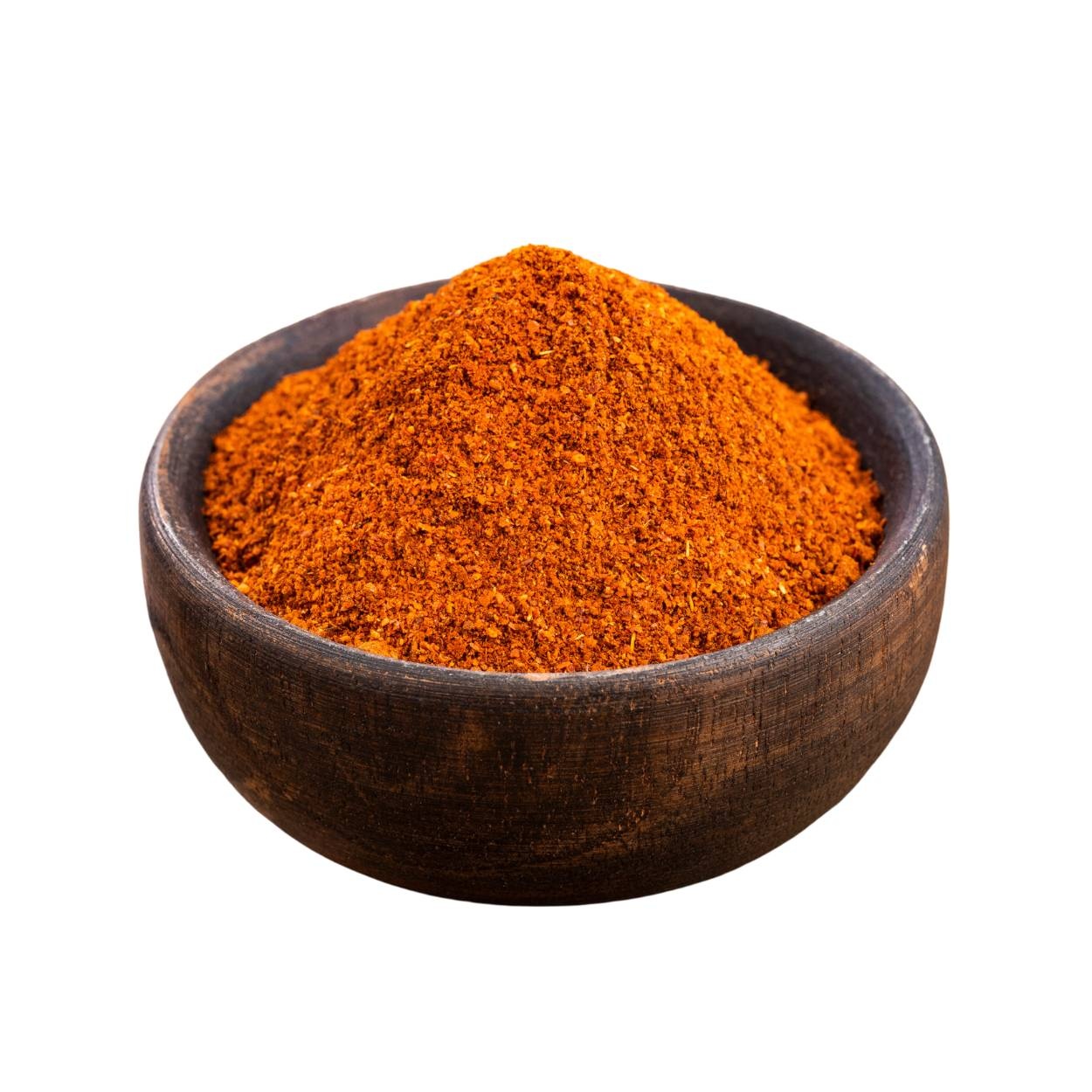
The color of steam-treated ground paprika is the same as regular paprika, ranging from bright red to deep red-brown. Its vibrant color adds visual appeal to dishes.
The steam treatment process minimally impacts the nutritional value of paprika. It still contains antioxidants, vitamins, and minerals, contributing to its potential health benefits.
Steam-treated ground paprika typically has a balanced moisture content, which can contribute to its binding properties in various food formulations. It enhances the texture and appearance of dishes.
The steam treatment process helps retain the mild and pleasant aroma of paprika. It releases a subtle fragrance when used in cooking, enhancing the overall sensory experience of dishes.
Steam-treated ground paprika offers the same balanced flavor profile as regular paprika—mild sweetness with a gentle spiciness. It complements both savory and mildly sweet dishes.
The color and flavor of steam-treated ground paprika add a pop of contrast to dishes, visually appealing and enhancing taste complexity
Paprika is commonly used in various cuisines around the world, and steam-treated ground paprika maintains this versatility. While it has been traditionally associated with Hungarian and Mediterranean cuisines, it’s embraced globally.
Steam-treated ground paprika is generally suitable for various dietary preferences and needs. It’s commonly used as a seasoning and doesn’t typically pose significant dietary concerns. However, individuals with allergies or sensitivities to nightshade vegetables (such as peppers) should exercise caution.
Uses in manufacturing
In food manufacturing, steam-treated ground paprika is used as a versatile seasoning and coloring agent that provides consistent flavor and appearance to various products. The steam treatment process helps ensure safety while preserving the natural qualities of paprika. Here’s how steam-treated ground paprika is commonly used:
Steam-treated ground paprika is a staple ingredient in the production of processed meats, including sausages, hot dogs, and cured meats. It adds both color and flavor to these products.
It’s used to season snack products like chips, popcorn, and nuts, providing a mild heat and vibrant color to the taste profile.
Steam-treated ground paprika is incorporated into sauces, dips, dressings, and condiments to enhance both flavor and color. It contributes to the characteristic hue of sauces like marinara and barbecue.
Steam-treated ground paprika is widely used in dishes that require paprika’s signature color and flavor. It’s an essential ingredient in recipes from Hungarian goulash to Spanish paella and beyond.
It can be added to bakery products like bread, rolls, and savory pastries to provide a pop of color and flavor. Prepared foods such as ready-to-eat meals and frozen foods also benefit from its versatility.
Steam-treated ground paprika is often included in spice blends and seasonings used for rubs, marinades, and grilling. It offers a consistent and familiar paprika flavor.
It’s used in the formulation of plant-based products like veggie burgers, plant-based sausages, and tofu-based dishes to provide flavor and color.
Steam-treated ground paprika serves as a natural flavor enhancer in various products, contributing to taste complexity.
It can be added to cheese, spreads, and dairy alternatives to create a flavorful profile.

Main producing countries and Harvest time
Spain, Hungary, India and China are among the main producing countries for paprika (both sweet and hot varieties).
In general, paprika peppers are typically harvested when they have fully matured and reached their desired color and flavor profile. The harvest season for paprika often falls between late summer and early autumn, typically from August to October.