




Bulk Yellow Cornmeal
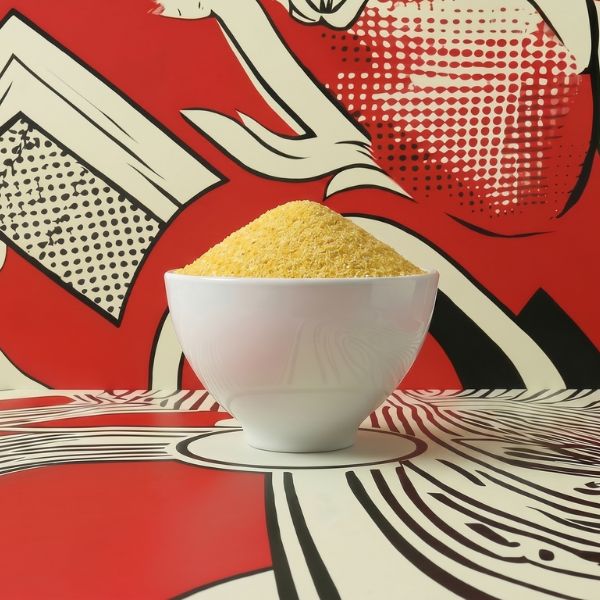
Made from finely ground yellow corn, Yellow Cornmeal is a base ingredient for a wide variety of food products! 🌽 It serves as the key ingredient in beloved classics like cornbread, muffins, and pancakes, imparting a delightful taste that elevates every bite! 🌽 With its coarse texture, Yellow Cornmeal adds a pleasing crunch and structure to baked goods and coatings for fried food. 🌽 Yellow Cornmeal acts as an effective thickener for soups, stews, and sauces. When simmered in liquid, it absorbs moisture and releases starch, resulting in a luxuriously thick consistency that enhances the overall mouthfeel of the dish. Source86 Bulk Yellow Cornmeal is available in large quantities that fit your wholesale ingredient needs 📦 Request for a Quote now to get started! 📨 Source86 is your number one supplier for premium bulk raw ingredients! ☝🏼 From sourcing to importing, our global team of trusty sourcerers is committed to getting you only the best ingredients in the market! 💯
Request More Information
Need a quote, more info, or a sample? Fill out the form below, and we’ll be happy to help.
Are you a vendor? Please contact us here.
Product Data
| Scientific Name | Zea mays |
|---|---|
| Origin Countries | United States, China and Brazil |
| Product Use | Bars and cereals, coatings and breading, snack bars and energy bites |








Production & Sourcing
Yellow cornmeal is made through a straightforward process that begins with dried corn kernels. These kernels are cleaned and then ground into a coarse or fine powder, depending on the desired texture. The grinding process can be done using stone mills or industrial machinery. Once ground, the cornmeal is sifted to remove any large particles or impurities, resulting in a smooth and uniform texture. The yellow color of the cornmeal comes from the natural pigment present in the corn kernels.
Applications
- Baked Goods
- Coatings and Breading
- Snack Production
- Side Dishes
- Bars and Cereals
- Snack Bars and Energy Bites
- Vegan
- Vegetarian
Functionality
- Dietary Fiber Enrichment
- Complex Carbohydrates
- Gluten-Free
- Essential Vitamins
- Essential Minerals
- Thickening Agent
- Flavor Enhancement
Benefits
Yellow cornmeal has a mildly sweet and nutty flavor with a hint of earthiness. It offers a distinct maize taste that adds depth to dishes, particularly in baked goods and savory recipes.
Yellow cornmeal has a fine to medium texture, ranging from smooth to slightly gritty depending on the grind size. It can vary from coarse to fine, providing versatility in culinary applications and contributing to the texture of dishes.
As the name suggests, yellow cornmeal has a vibrant yellow color, characteristic of the corn kernels from which it is derived. This golden hue adds visual appeal to dishes and distinguishes it from other types of cornmeal, such as white or blue.
Yellow cornmeal is a good source of carbohydrates, fiber, and essential nutrients, including vitamin A, vitamin B6, folate, and magnesium. It is naturally gluten-free, making it suitable for individuals with gluten sensitivities or celiac disease.
Yellow cornmeal has a relatively low moisture content, which makes it suitable for binding ingredients together in recipes such as cornbread, muffins, and breading for fried foods. Its coarse texture also helps absorb moisture during cooking, resulting in dishes with a tender yet slightly crumbly texture.
Yellow cornmeal releases a subtle, sweet aroma when cooked, reminiscent of freshly baked cornbread or corn tortillas. Its aromatic profile enhances the overall flavor of dishes and contributes to their sensory appeal.
Yellow cornmeal contributes to a balanced diet by providing complex carbohydrates and essential nutrients. Its mildly sweet flavor and versatile texture complement a wide range of ingredients, offering a balance of flavors and textures in dishes.
Yellow cornmeal provides a pleasing contrast in texture and flavor when used in various recipes. Its crunchy exterior and tender interior add depth to dishes, while its distinct maize flavor provides a flavorful counterpoint to other ingredients.
Yellow cornmeal holds cultural significance in many cuisines, particularly in North America and Latin America, where it is a staple ingredient in traditional dishes such as cornbread, polenta, tamales, and corn tortillas. It is also used in various European cuisines, particularly in regions where corn is grown and consumed.
Yellow cornmeal is naturally gluten-free and suitable for individuals with gluten sensitivities or celiac disease. It is also suitable for vegetarian and vegan diets. However, individuals with corn allergies should avoid consuming yellow cornmeal. Additionally, yellow cornmeal is a good source of dietary fiber, which supports digestive health and helps regulate blood sugar levels.
Uses in manufacturing
Yellow cornmeal is used in the production of baked goods such as cornbread, muffins, cakes, and cookies. It adds a unique texture and flavor to these products, contributing to their overall taste and appearance.
Yellow cornmeal is often used as a coating for fried foods such as chicken, fish, and vegetables. Its coarse texture provides a crispy exterior when fried, while its golden color enhances the visual appeal of the finished dish.
Yellow cornmeal is a key ingredient in the production of corn tortillas and tortilla chips. It is mixed with water and other ingredients to form a dough, which is then pressed into thin rounds and cooked on a griddle or fried to make tortillas or chips, respectively.
Yellow cornmeal is used to make polenta, a traditional Italian dish made by boiling cornmeal in water or stock until thickened. It can also be used to make grits, a Southern staple made by boiling cornmeal with water or milk until creamy.
Yellow cornmeal is incorporated into cereal and snack bars for added texture and flavor. It provides a crunchy element to these products and can be combined with other grains, nuts, and dried fruits to create a balanced and nutritious snack option.

Main producing countries and Harvest time.
The main producing countries of sweet corn are the United States, China and Brazil. In general, sweet corn is a warm-season crop that is planted in spring or early summer and harvested during summer or early fall.