- Recall Issued: May 13, 2025
- Announced by: FDA on May 13, 2025
- Company Involved: NatureMills US Inc.
- Products Affected: Rice mixes, soups, spice powders, porridge mix, vadam, and papads
- Reason: Undeclared allergens — Wheat, Milk, and Sesame
- Risk: Life-threatening allergic reactions for sensitive individuals
- Distributed: Nationwide via NatureMills.com
- Action: Stop using the product and contact NatureMills for a refund or replacement
Stick around to find out more about this recall — it’s spicy in all the wrong ways.
What happened?
On May 13, 2025, NatureMills US Inc., a Texas-based food manufacturer, issued a voluntary recall of multiple food products due to the presence of undeclared allergens: wheat, milk, and sesame.
The recall came after a routine internal audit revealed that allergen labeling was missing on certain product batches — a packaging oversight that sparked immediate corrective action. Thankfully, no illnesses have been reported (phew), but for folks with allergies, this is a serious “do not pass go, do not collect $200” situation.
Affected products at a glance:
Brand | Product | Size | UPC | Best By Date(s) | Issue |
NatureMills | Idly Chilli Powder | 200g | 195993074555 | OCT 2025 – AUG 2026 | Undeclared wheat, milk, sesame |
NatureMills | Sesame Rice Mix | 200g | 689394708435 | OCT 2025 – JUN 2026 | Same |
NatureMills | Moringa Soup, Rasam Powder, etc. | 100–200g | Multiple UPCs | OCT 2025 – AUG 2026 | Same |
See the full list of recalled items and batch codes on the FDA site.
What caused the issue?
This recall stems from a labeling blunder — a breakdown in NatureMills’ packaging process led to wheat, milk, and sesame not being declared on the labels of several products.
That might sound like a minor oopsie — but for people with food allergies, it’s anything but.
Why undeclared allergens are a big deal
When allergens like wheat, milk, and sesame aren’t listed on a product’s label, consumers with sensitivities may unknowingly eat something that could cause a severe or even life-threatening reaction.
Here’s what makes this so dangerous:
- Wheat is one of the top 9 allergens in the U.S. and can cause reactions in those with wheat allergy or celiac disease.
- Milk allergies are common in children and can lead to symptoms ranging from hives to anaphylaxis.
- Sesame became a major allergen under the FDA’s FASTER Act in 2023 due to rising allergy rates.
Who’s at risk?
- Individuals with wheat allergy, celiac disease, or gluten intolerance
- People with a milk allergy or lactose intolerance
- Anyone with a sesame allergy, which affects both kids and adults
Common symptoms of an allergic reaction
- Itching or swelling (mouth, throat, face)
- Hives, rashes, or eczema flare-ups
- Wheezing, nasal congestion, or trouble breathing
- Nausea, vomiting, abdominal cramps, or diarrhea
- Dizziness or fainting
- In severe cases: Anaphylaxis, a medical emergency
10 common questions you might have
1. I’m not allergic to wheat, milk, or sesame — can I still eat it?
Technically, yes — but if you’re serving others, especially guests with unknown allergies, it’s safest to dispose of it.
2. Where do I check the label for the UPC or batch code?
Check the back or bottom of the packaging. The UPC is usually near the barcode, and the batch code is typically near the Best By date.
3. I already ate the product — should I be worried?
If you don’t have allergies and feel fine, there’s likely no risk. If you do experience symptoms, seek medical help immediately.
4. How do I know if I got a recalled batch?
Compare your product’s UPC and Best By date to the official recall list here.
5. Can I return the product to the store?
NatureMills recommends disposing of the product and contacting them directly for a refund or replacement.
6. What’s the best way to dispose of it safely?
Seal it in a bag and throw it in the trash — don’t compost or reuse the packaging to avoid cross-contamination.
7. Are there any reports of illness so far?
No illnesses have been reported as of now.
8. How did this happen in the first place?
A labeling oversight during packaging caused the allergen warning to be omitted. NatureMills says they’ve implemented immediate corrective measures.
9. Has NatureMills had recalls before?
As of 2025, this is the first major recall from the company — but similar recalls involving sesame and milk have popped up from other brands this year.
10. Will the products be back on shelves soon?
Likely yes, but only after updated packaging with correct allergen labels is confirmed.
Here’s what you should do

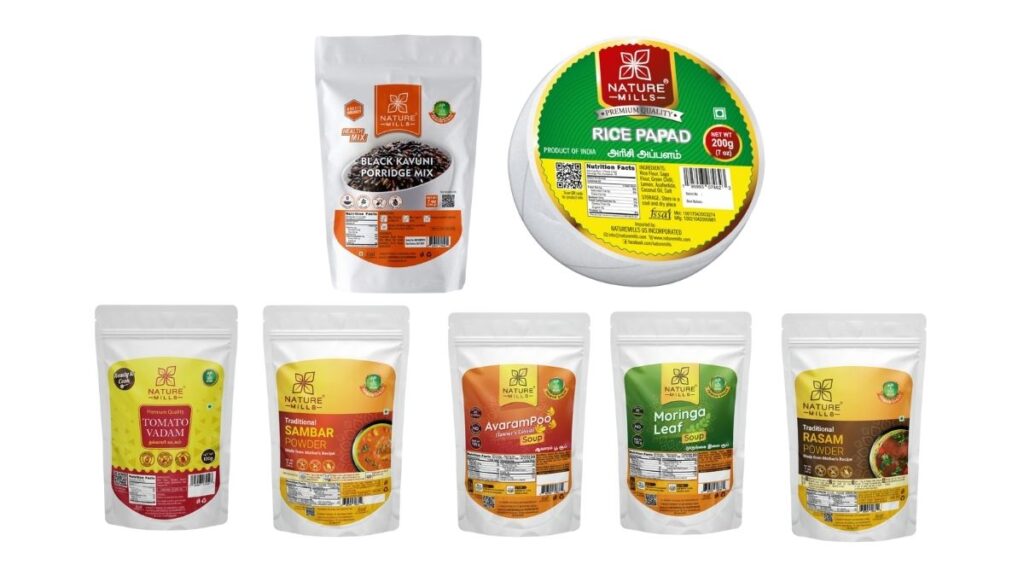
- Check the packaging: Look at the UPC and Best By Date on the back of the product.
- Do NOT eat it if you’re allergic to wheat, milk, or sesame.
- Dispose of the product safely.
- Contact NatureMills for a refund or replacement:
- [email protected]
- 1-833-628-8736 (9AM–5PM CST)
Behind the brand
NatureMills US Inc., based in Prosper, Texas, is known for traditional South Indian pantry staples — from spice powders to porridge mixes. This recall is a first for 2025, but not the first of its kind. Just this month, similar recalls include:
- On May 12, Knockro Inc. issued a nationwide recall on its Bonya Low Fat Yogurt Parfaits after discovering that almonds snuck into the granola topping—without being listed on the label.
- On May 8, 2025, New Grains Gluten Free Bakery issued a voluntary recall on several of its baked goods due to a labeling oversight—products containing eggs, soy, and milk were distributed without declaring these allergens.
“Accurate labeling isn’t just a formality—it’s a critical line of defense for consumer safety, especially when allergens like milk, wheat, or sesame are involved. When those ingredients are left off the label, it puts allergy-sensitive customers at serious risk and erodes trust in the brand. Recalls like this highlight why rigorous quality control and clear, consistent labeling are essential—not just for compliance, but for protecting people and preserving brand integrity.” said Eran Mizrahi, CEO of Source86.
While allergen recalls are more common than we’d like, they highlight the critical importance of quality control and transparent labeling — especially in culturally rich, spice-forward product categories.
Ensuring safe eats
Food recalls like this one are a reminder of how attention to detail in manufacturing is not just about compliance — it’s about consumer safety.
For importers, manufacturers, and private label brands, this is a wake-up call:
- Audit your allergen controls
- Double-check labeling at every packaging stage
- Test small batches when introducing new formulations
Final tip: If you’re sourcing bulk ingredients or spices from co-manufacturers, vet their allergen protocols like your business depends on it — because it does.
Got questions about sourcing allergen-safe ingredients or co-manufacturing best practices? Talk to our team! We’re here to help you source smarter, safer, and more transparently.