- Date issued: December 15, 2024
- Announced by: California Department of Food and Agriculture (CDFA)
- Company: Valley Milk Simply Bottled
- Product: Raw Cow Milk and DESI Milk Raw Cow Milk
- Issue: Influenza-A H5N1 (bird flu) contamination
- Product details: Quart, half-gallon, and one-gallon plastic jugs with code dates December 23, 2024 through December 30, 2024
- Action to take: Avoid consumption, retailers to remove from shelves
Stick around to find out more about this recall and why it matters!
What happened?
Valley Milk Simply Bottled, based in Stanislaus County, CA, has issued a statewide recall and quarantine order for its raw cow milk products following the detection of the Influenza-A H5N1 virus, commonly known as bird flu, in samples taken from a raw milk bulk tank. The recall impacts all batches distributed across California, with the quarantine order remaining in effect until state officials confirm that the dairy farm’s raw milk is free of contamination.
Product Details
Brand | Product | Size | Best By Date | Issue |
Valley Milk Simply Bottled | Raw Cow Milk | Quart half-gallon, gallon | DEC 23 2024 – DEC 30 2024 | Bird flu contamination |
Valley Milk Simply Bottled | Raw Cow Milk | Quart half-gallon, gallon | DEC 23 2024 – DEC 30 2024 | Bird flu contamination |
The recall impacts all batches distributed across California. The quarantine order remains in effect until state officials confirm that the dairy farm’s raw milk is free of contamination.
What caused the issue?
The contamination stems from Influenza-A H5N1, a rare and emerging flu virus. While the investigation continues, officials examine a child’s illness to determine if it is linked to the affected milk. Symptoms of bird flu in humans include:
- Eye redness or discharge
- Cough, sore throat, or runny nose
- Vomiting and diarrhea
- Muscle aches and fatigue
- Breathing difficulties and fever
Bird flu, or avian influenza, is primarily a disease affecting birds but can occasionally infect humans through direct contact or consuming contaminated products.
- What is bird flu? It’s an infectious viral disease that primarily spreads among bird species but can occasionally jump to humans.
- How is it transmitted to humans? Contact with infected birds, consumption of raw or undercooked poultry, or exposure to contaminated environments can cause infection.
- Is it safe to consume cooked products? Yes, cooking at proper temperatures destroys the virus, making pasteurized dairy and thoroughly cooked poultry safe.
- What are the symptoms in humans? They range from mild respiratory issues to severe flu-like symptoms and, in rare cases, complications like pneumonia.
- How common are human cases? Human infections are rare but can be severe.
- Can bird flu spread person-to-person? Human-to-human transmission is extremely rare.
- Is there a treatment? Antiviral medications may help if administered promptly.
- Are there vaccines for bird flu? Vaccines exist but are typically reserved for outbreak prevention in high-risk areas.
- Should raw milk consumers switch to pasteurized products? Yes, pasteurization eliminates risks associated with pathogens like bird flu.
- How can I stay informed? Regularly check updates from credible sources like the CDC and FDA.
According to public health experts, consuming raw milk carries heightened risks of foodborne illness. Pathogens like Salmonella, Listeria, E. coli, and now bird flu make pasteurization essential for safe consumption.
Here’s what you should do

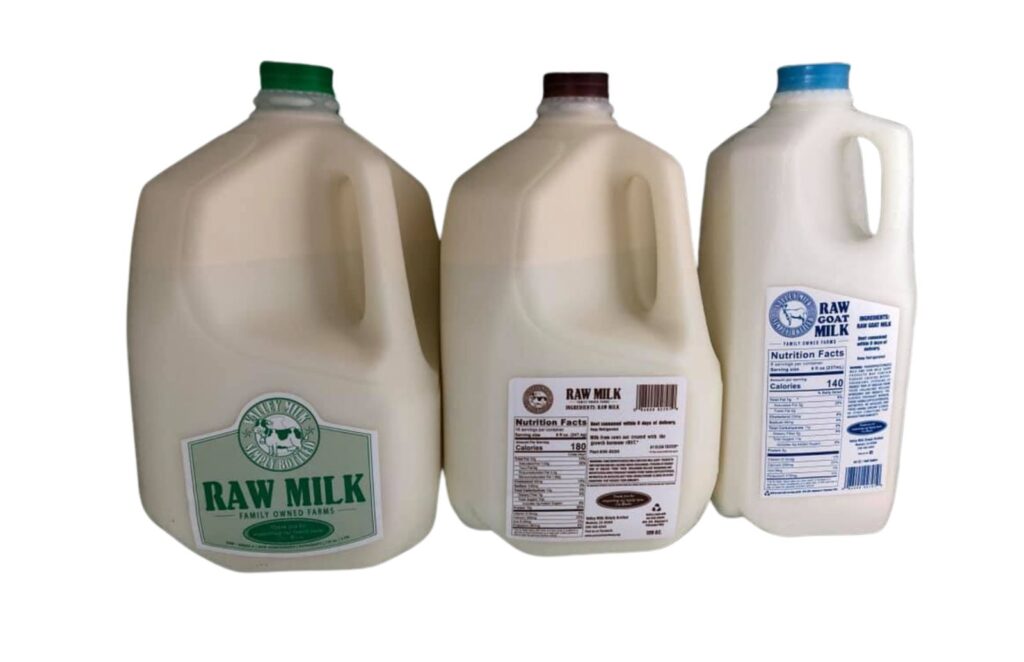
If you have purchased Valley Milk Simply Bottled raw milk:
- Do not consume it: Discard the product immediately.
- Check the label: Look for code dates between DEC 23 2024 and DEC 30 2024.
- Contact the company: For further details, reach out to Valley Milk Simply Bottled or CDFA.
- Valley Milk Contact Number: (209) 456-8943. The company can also be reached via social media. Instagram: valleymilksb Facebook: ValleyMilkSimplyBottled
Retailers have been instructed to remove the products from shelves to prevent further sales.
Behind the brand
Valley Milk Simply Bottled specializes in raw dairy products and promotes unpasteurized milk as “fresh” and natural. However, this marks their first publicized recall involving bird flu. Another California producer, Raw Farm LLC, faced a similar recall earlier this month for bird flu contamination in its raw milk. The affected products included Raw Farm’s raw cow milk in quart, half-gallon, and gallon sizes, with production dates ranging from November 20, 2024, to December 2, 2024. The recall was announced following routine testing by the CDFA, which detected the presence of Influenza-A H5N1. Raw Farm LLC has since suspended sales of its raw milk until further notice and is collaborating with state officials to ensure the safety of its products moving forward. In Raw Farm’s case, testing also confirmed Influenza-A H5N1, leading to a temporary halt in production and widespread product removal.
Public health experts emphasize the importance of pasteurization to eliminate harmful microorganisms. Pasteurized milk ensures safety by destroying bacteria and viruses, including Influenza-A H5N1.
“Product recalls are a critical moment for any company—they’re not just about managing risk but also about reaffirming your commitment to consumer safety. Transparency, speed, and proactive response can turn a challenging situation into an opportunity to build stronger customer loyalty.” Eran Mizrahi, Source86’ CEO.
Ensuring safe eats
This recall highlights the challenges and risks associated with unpasteurized dairy products. The detection of bird flu in raw milk underscores the critical need for stringent safety measures in production and testing.
Here’s how the industry can address these issues:
- Implement routine testing to prevent contamination.
- Educate consumers on the risks of raw milk.
- Strengthen communication between producers and retailers during recalls.
At Source86, we’re committed to quality and safety. If you’re looking for reliable ingredient solutions, let’s talk! Explore our range of products and learn how we can support your business with top-tier ingredients and safety compliance.