




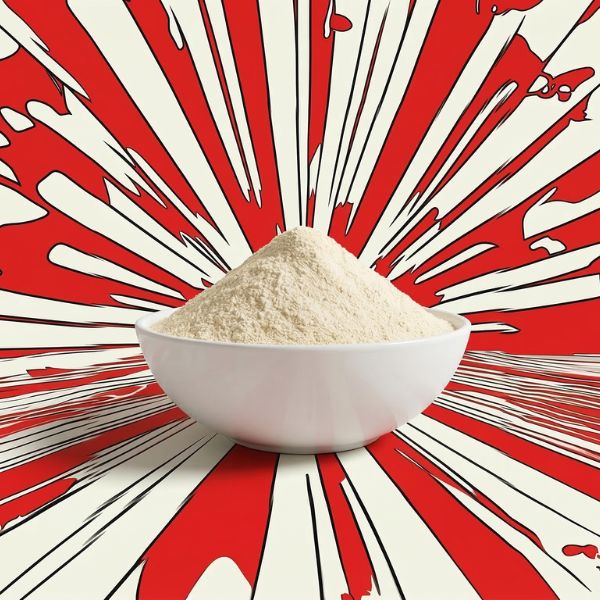
Bulk Amaranth Flour
Get the versatility and nutty flavor of high-quality amaranth grains in a finely milled form with Source86 Amaranth Flour! 🌾 Used in various processed foods like pasta, snacks, and baked goods, Amaranth Flour brings a unique, nutty dimension different culinary creations! Blend Amaranth Flour with other gluten-free flours for a unique flavor profile in cookies, cakes, and pastries 🥐 A source of plant-based protein, vitamin E and essential minerals, Amaranth Flour is a base ingredient in different nutritional bars, granola bars and breakfast cereals. Our Amaranth Flour is available in bulk quantities, in customizable packaging solutions! 📦 Request for a Quote now to get started! 📨 Source86 is your number one supplier for premium bulk raw ingredients! ☝🏼
Request More Information
Need a quote, more info, or a sample? Fill out the form below, and we’ll be happy to help.
Are you a vendor? Please contact us here.
Product Data
| Scientific Name | Amaranthus cruentus |
|---|---|
| Origin Countries | Peru, Bolivia, Argentina and China. |
| Product Uses | Coatings and breading, smoothies, soup and stews |






Production & Sourcing
First, high-quality amaranth seeds are thoroughly cleaned and inspected to remove any impurities. These cleaned seeds are then dried to reduce moisture content. Next, they are finely ground, resulting in a smooth, fine powder known as amaranth flour.
Applications
- Bars and Cereals
- Granola Bars
- Baked Goods
- Vegan
- Vegetarian
- Soups and Stews
- Coatings and Breadings
- Baby Food
- Pasta and Noodles
- Beverages – Wet
- Smoothies
- Snacks – Savory
- Private Label
Functionality
- Essential Minerals
- Dietary Fiber Enrichment
- Flavor Enhancer
- Plant-Based Protein
- Thickening Agent
- Binding – Strong
- Vitamin E Boost
Benefits
Amaranth flour has a distinctive, nutty, and earthy flavor. It imparts a mildly sweet and grainy taste to dishes.
Amaranth flour is finely ground, resulting in a fine, powdery texture. When used in baking, it provides a delicate crumb structure and a slightly dense texture.
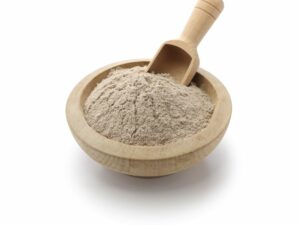
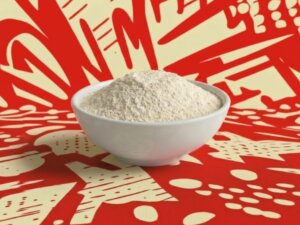
Amaranth flour is typically pale cream or light tan in color, which can vary based on the variety of amaranth used and the milling process.
Amaranth flour is a powerhouse of nutrition. It is rich in protein, particularly the essential amino acid lysine, which is relatively scarce in other grains. It is also a good source of dietary fiber, essential minerals like calcium, iron, magnesium, and phosphorus, as well as vitamins such as B-complex and vitamin E. Being gluten-free, it is suitable for individuals with gluten sensitivities.
Amaranth flour is a versatile ingredient in gluten-free baking. It can be used as a substitute for wheat flour in various recipes, especially for pancakes, muffins, cookies, and other baked goods. It can also be used as a thickener in soups, stews, and sauces.
Amaranth flour has a subtle, earthy aroma that becomes more pronounced when it is cooked or baked.
Its nutty and earthy flavor balances well with both sweet and savory ingredients, making it a versatile choice for a wide range of dishes.
Amaranth flour can provide a unique texture and flavor contrast when used in combination with other flours or ingredients in recipes.
Amaranth has been cultivated for centuries in Central and South America, and its flour is a significant part of traditional cuisine in these regions. In recent years, it has gained popularity worldwide, particularly in gluten-free and health-conscious diets.
Amaranth flour is naturally gluten-free, making it an excellent choice for individuals with gluten sensitivities or celiac disease. It does not contain common allergens like nuts or soy. However, as with any food, there is a potential for allergic reactions in rare cases. It’s recommended to exercise caution if you have known allergies to seeds or grains, although amaranth allergies are not common.
Uses in manufacturing
Amaranth flour serves as a valuable alternative to wheat flour in gluten-free baking. It can be used to make a wide range of products including bread, pancakes, muffins, cookies, and cakes. Its nutty flavor and dense texture contribute to the unique characteristics of gluten-free baked goods.
Due to its fine texture and high starch content, amaranth flour is employed as a natural thickening agent in soups, stews, sauces, and gravies. It helps achieve the desired consistency in a wide range of dishes
Amaranth flour can be used as a coating for various fried or baked products. It provides a crispy and flavorful outer layer, enhancing the overall texture and taste.
Amaranth flour can be included in the formulation of cereal and granola bars to add nutrition, texture, and flavor. It contributes to the binding and structure of the bars.
Amaranth flour, often combined with other gluten-free flours, can be used to produce pasta and noodles suitable for individuals with gluten sensitivities.
Due to its high nutritional value and fine texture, amaranth flour is used in the production of baby food products, providing essential nutrients for infant development.
It can be incorporated into beverages, smoothies, or nutritional shakes to boost their nutritional content. It adds protein, fiber, and essential minerals to these drinks.
Amaranth flour can be added to various recipes to impart its unique nutty and earthy flavor. It enhances the overall taste profile of dishes.
Food manufacturers often blend amaranth flour with other gluten-free flours like rice flour, sorghum flour, or tapioca flour to achieve the desired texture, flavor, and functionality in their products.
Amaranth flour can be used in the production of gluten-free snacks, including crackers, chips, and other baked or fried products.

Main producing countries and Harvest time
Amaranth grains are widely produced in countries like Peru, Bolivia, Argentina and China. In Peru, the harvest season of amaranth grains occur from March to July.