
We don’t like junk emails either.
That’s why we only send the good stuff… short, smart, and worth the open.

Source86
Importer of specialty raw ingredients, finished products and anything in between
The brands we supply can be found nationwide at







Buckwheat flour is a versatile and nutritious gluten-free flour made by grinding whole buckwheat groats. 🌾 Buckwheat flour serves as an excellent substitute for wheat-based flours, making it a suitable choice for individuals with gluten intolerance or those following a gluten-free diet! This flour can be used as a standalone flour or blended with other gluten-free flours to create custom flour mixes for diverse recipes, offering flexibility in food manufacturing. Source86 Buckwheat Flour is available in bulk quantities for your wholesale business needs! Get this ingredient in customized pack sizes as well 📦 Request for a Quote now to get started! 📨 Source86 is your number one supplier for premium bulk raw ingredients! ☝🏼 From sourcing to importing, our global team of trusty sourcerers is committed to getting you only the best ingredients in the market! 💯
Need a quote, more info, or a sample? Fill out the form below, and we’ll be happy to help.
Are you a vendor? Please contact us here.
| Scientific Name | Fagopyrum esculentum |
|---|---|
| Origin Countries | Russia and China |
| Product Uses | Pasta and noodles, snack bars and energy bites, soups and stews |








Buckwheat flour is made by milling raw buckwheat groats into a fine powder. The process involves cleaning and removing the outer husks from the groats. The cleaned groats are then ground or milled into a flour consistency, resulting in buckwheat flour.
Buckwheat flour has a distinctive, robust flavor characterized by earthy, nutty notes with a hint of bitterness. It offers a strong and unique taste, especially in baked goods.
Buckwheat flour tends to yield a fine, slightly gritty texture due to its inherent coarseness. When used in baking, it can create a denser and more crumbly texture in comparison to wheat flour.
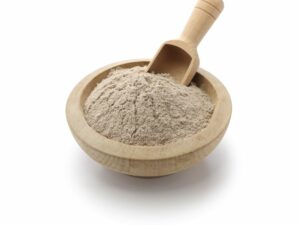
Buckwheat flour is typically grayish or pale beige in color, although it can vary based on the milling process and the type of buckwheat used.
Buckwheat flour is highly nutritious, rich in fiber, protein, vitamins (such as B-complex vitamins), and minerals (including manganese, magnesium, and phosphorus). It’s gluten-free, suitable for those with gluten sensitivities.
Buckwheat flour has moderate moisture content and doesn’t possess binding properties similar to gluten-containing flours. It might require additional binding agents in baking to improve the texture of the final product.
Buckwheat flour has a distinctive aroma, characterized by its earthy and nutty scent, which becomes more pronounced when baked or cooked.
Its strong flavor and unique texture need to be balanced with other ingredients in recipes to create a harmonious taste profile in the final dish.
Buckwheat flour offers a contrast in both flavor and texture compared to traditional wheat flour, providing a more robust taste and a denser texture in baked goods.
Buckwheat flour has significant cultural importance in various cuisines worldwide, notably in Eastern European, Asian, and Middle Eastern dishes, where it’s used in traditional recipes like blini (Russian pancakes) or soba noodles in Japanese cuisine.
Being gluten-free and nutrient-dense, buckwheat flour is an excellent addition to diets for individuals seeking whole-grain options or those with specific dietary restrictions, including gluten-free, vegan, or vegetarian diets.
It’s used in gluten-free baking to create bread, pancakes, muffins, cookies, and cakes, offering a nutty and distinctive flavor to these products.
Buckwheat flour is a key ingredient in manufacturing soba noodles in Japanese cuisine, providing a nutty taste and a firmer texture to the noodles.
Food manufacturers use buckwheat flour to produce gluten-free crackers, snack bars, or baked snacks, contributing to both flavor and nutritional value.
It’s used as a component in gluten-free breading mixes for coating meats or vegetables before frying, providing a unique taste and texture.
Buckwheat flour is often combined with other gluten-free flours like rice flour, tapioca flour, or potato starch to create custom gluten-free flour blends suitable for various baking needs.
It’s used in the production of ready-to-eat meals, such as gluten-free pasta dishes, pancakes, or convenience foods catering to gluten-sensitive consumers.
Buckwheat flour has cultural significance in Eastern European, Asian, and Middle Eastern cuisines, where it’s used in traditional dishes like blini, crepes, or porridges.
In some culinary applications, buckwheat flour serves as a thickening agent for soups, stews, or sauces, imparting its distinctive flavor to the dishes.
It’s included in pre-made gluten-free baking mixes available in the market, offering a convenient solution for consumers seeking gluten-free options.

Currently, Russia and China are the main producers of buckwheat. This crop is usually harvested 90-100 days after sowing.