




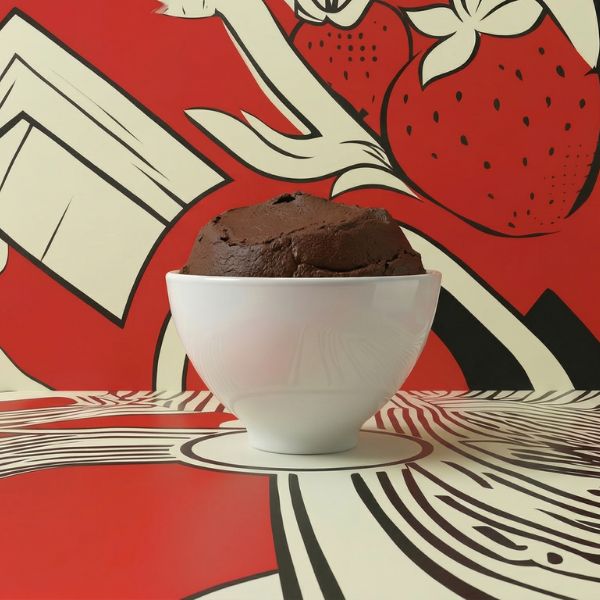
Bulk Cacao Paste
Cacao Paste is a fundamental and indulgent ingredient that’s derived from pure, ground cacao beans! 🍫
With a rich, intense chocolate flavor and a smooth, velvety texture, cacao paste serves as a cornerstone in the world of chocolate production and food manufacturing.
Cacao paste is a key ingredient in chocolate manufacturing, serving as the foundation for crafting various chocolate products, including bars, truffles, and coatings. It can also beincorporated into various baked goods, including brownies, cakes, cookies, and pastries, adding a rich chocolatey essence and moistness to the finished products!
Source86 Cacao Paste is available in bulk and in custom pack sizes 📦
Request for a Quote now to get started! 📨
Source86 is your number one supplier for premium bulk raw ingredients! ☝🏼 From sourcing to importing, our global team of trusty sourcerers is committed to getting you only the best ingredients in the market! 💯
Request More Information
Need a quote, more info, or a sample? Fill out the form below, and we’ll be happy to help.
Are you a vendor? Please contact us here.
Product Data
| Scientific Name | Theobroma cacao |
|---|---|
| Origin Countries | Ivory Coast, Ghana, Nigeria and Cameroon |
| Product Uses | Glazes and coatings, protein bars, frozen desserts |








Production & Sourcing
Cacao paste, the foundation of chocolate, is crafted through a meticulous process that begins with harvesting and fermenting cacao beans within the pods. After fermentation, the beans are dried and roasted to enhance their flavor. Subsequently, the roasted beans undergo winnowing to remove the outer husk, revealing cacao nibs. These nibs are then ground into a smooth and velvety paste, known as chocolate liquor or cacao paste, containing both cocoa solids and cocoa butter
Applications
- Vegan
- Chocolate Production
- Baked Goods
- Confectionary
- Frozen Desserts
- Desserts
- Nut Butters and Energy Bites
- Sauces
- Glazes and Fillings
- Vegetarian
Functionality
- Essential Minerals
- Gluten-Free
- Texture
- Antioxidant
Benefits
Cacao paste, also known as chocolate liquor or cocoa mass, has an intense and rich chocolate flavor. It encompasses both the bitter notes of pure cocoa and the potential subtle sweetness inherent in the cacao beans.
Cacao paste is solid at room temperature but melts easily when heated. It has a smooth and dense texture, contributing to the creamy consistency when melted.
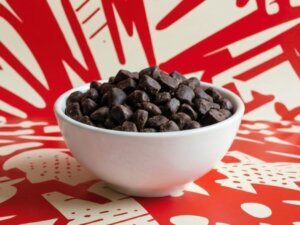
The color of cacao paste is typically dark brown, reflecting the deep color of high-quality cocoa beans. The shade can vary based on the origin of the beans and the processing methods
Cacao paste is a concentrated source of nutrients found in cacao beans. It contains cocoa solids, cocoa butter, and essential minerals such as magnesium, iron, and antioxidants. However, it doesn’t have the added sugars or milk solids found in finished chocolate products.
Cacao paste has low moisture content and, when melted, becomes a fluid ingredient. It contributes to the binding and texture of chocolate products when used in recipes.
The aroma of cacao paste is deeply chocolatey with complex notes, reflecting the terroir of the cacao beans. It releases a rich and inviting fragrance when melted or incorporated into recipes.
Cacao paste provides a balanced chocolate flavor with both bitter and sweet notes, offering a foundation for creating various chocolate products.
In recipes, cacao paste contributes to the contrast between the rich, dense texture it provides when solid and the smooth, creamy consistency when melted.
Cacao paste is a fundamental ingredient in the production of chocolate and has cultural significance in regions where cacao is grown, such as South and Central America, Africa, and Southeast Asia. Different regions and varieties of cacao beans can influence the flavor profile of the cacao paste.
Cacao paste is naturally vegan and gluten-free. It is also free from added sugars and dairy, making it suitable for those with specific dietary preferences or restrictions.
Uses in manufacturing
Cacao paste is a primary component in the production of chocolate. It combines with sugar, cocoa butter, and sometimes milk to create dark chocolate or other chocolate varieties. The paste provides the intense chocolate flavor and contributes to the smooth texture of the final product.
Food manufacturers use cacao paste in the production of baked goods and confections such as brownies, truffles, chocolate bars, and ganache. It adds a rich and authentic chocolate flavor to these products.
Cacao paste can be melted into hot milk or water to create a rich and decadent hot chocolate or cocoa beverage. It is also used in the production of chocolate-flavored beverages and drink mixes.
Cacao paste is incorporated into the formulation of chocolate-flavored ice cream, frozen desserts, and gelato, providing a genuine chocolate taste and contributing to a smooth texture.
Some manufacturers use cacao paste to create chocolate-flavored nut butters and spreads. It adds depth and richness to these products.
Cacao paste is used in the production of chocolate-flavored protein bars, energy bars, and snacks, providing both flavor and texture.
Cacao paste may be included in pre-made bakery mixes for brownies, cookies, or cakes, allowing consumers to easily recreate chocolate-based recipes at home.
In gourmet and high-end culinary applications, chefs use cacao paste to create chocolate sauces, glazes, and other savory dishes, adding a sophisticated chocolate element to their creations.

Main producing countries and Harvest time
Approximately 70% of the world’s cocoa beans come from West Africa, mainly from the Ivory Coast, Ghana, Nigeria and Cameroon.
The Ivory Coast produces cocoa beans all-year-round, producing two harvests: a small-mid crop in April-September and a larger crop harvested from October to March