We don’t like junk emails either.
That’s why we only send the good stuff… short, smart, and worth the open.

Source86
Importer of specialty raw ingredients, finished products and anything in between
The brands we supply can be found nationwide at






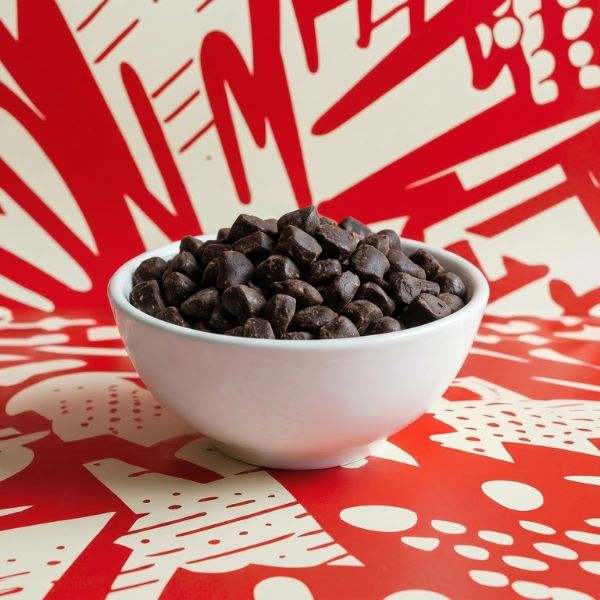
Experience the true essence of cocoa with Source86 Cocoa Liquor Kibbles! 🍫
Food manufacturers use Cocoa Liquor Kibbles for their exceptional flavor and ease of incorporation in various confectionery delights. Its concentrated cocoa essence elevates the taste profile of chocolates, pralines and fudges! This ingredient is used to coat different nuts, fruits and snacks, and is usually incorporated into baked goods such as croissants, specialty breads and pastries.
Our Cocoa Liquor Kibbles is available in bulk quantities, in customizable packaging options! 📦
Request for a Quote now to get started! 📨
Source86 is your number one supplier for premium bulk raw ingredients! ☝🏼 From sourcing to importing, our global team of trusty sourcerers is committed to getting you only the best ingredients in the market! 💯
Need a quote, more info, or a sample? Fill out the form below, and we’ll be happy to help.
Are you a vendor? Please contact us here.
| Scientific Name | Theobroma cacao |
|---|---|
| Origin Countries | Ivory Coast, Ghana, Nigeria and Cameroon. |
| Product Uses | Coatings and dipping, baked goods, health and wellness products |







First, ripe cocoa pods are harvested, and the seeds (cocoa beans) are extracted. The beans are fermented, dried, and then roasted to develop their characteristic flavor. After roasting, the outer shells are removed, leaving behind the cocoa nibs. These nibs are ground into a thick, viscous paste known as cocoa liquor. The liquor is then cooled and solidified, before being further processed into kibbles or chunks. These kibbles consist of a mixture of cocoa solids and cocoa butter, embodying the concentrated essence of cocoa.
Cocoa Liquor Kibbles have an intense, rich, and bittersweet chocolate flavor. They embody the pure essence of cocoa with a pronounced cocoa bean taste.
Cocoa Liquor Kibbles have a firm, brittle texture. They are solid pieces composed of ground cocoa nibs and cocoa butter.
They range in color from deep brown to dark chocolate brown, reflecting the natural hues of cocoa.
Cocoa Liquor Kibbles are rich in cocoa solids, which provide a concentrated source of antioxidants, particularly flavonoids. They are also a source of dietary fiber, protein, and healthy fats from cocoa butter. Additionally, they contain essential minerals like iron, magnesium, and calcium.
Cocoa Liquor Kibbles are a key ingredient in chocolate production. They can be further processed to make cocoa mass, cocoa powder, or used in recipes for chocolates, truffles, and other confectionery items. They contribute to the texture, flavor, and aroma of finished chocolate products.
They have a strong, characteristic cocoa aroma with hints of roasted, nutty notes, adding to the overall sensory experience.
The intense, bittersweet flavor of Cocoa Liquor Kibbles is balanced by the creamy texture of cocoa butter, creating a harmonious chocolatey profile.
In recipes, Cocoa Liquor Kibbles can provide a bold, deep cocoa flavor that contrasts with sweeter ingredients or complements other flavors like vanilla, coffee, or spices.
Cocoa Liquor Kibbles are a fundamental ingredient in chocolate production worldwide. They have cultural significance in regions where cocoa is grown and have played a pivotal role in the development of various chocolate-making traditions.
Cocoa Liquor Kibbles are typically free from common allergens like gluten, nuts, and soy. However, they do contain cocoa, which is a common allergen for some individuals. Additionally, they contain cocoa butter, which is derived from the cocoa bean, making them unsuitable for those with cocoa allergies.
Cocoa Liquor Kibbles serve as the primary ingredient for making chocolate. They are ground into a smooth, liquid form called cocoa mass, which is then combined with sugar, milk solids (for milk chocolate), and additional cocoa butter to create different types of chocolate, including dark, milk, and white chocolate.
They are used in the production of truffles, pralines, and other chocolate confections. The kibbles can be melted down, combined with other ingredients, and molded or shaped into a wide variety of confectionery products.
Cocoa Liquor Kibbles can be used to infuse baked goods with a rich chocolate flavor. They are often ground into a fine cocoa mass or cocoa powder and incorporated into recipes for cakes, brownies, cookies, and other chocolate-flavored treats.
They can be melted and mixed into ice cream bases to create a chocolate-flavored ice cream or used as inclusions to provide a crunchy texture and intense chocolate flavor.
Cocoa Liquor Kibbles can be dissolved in hot liquids to make hot chocolate or used in the production of chocolate-flavored beverages, such as chocolate milk or chocolate-flavored liqueurs.
In the food industry, cocoa liquor is sometimes used as a flavor enhancer in various recipes, such as sauces, marinades, or savory dishes, to impart a subtle cocoa undertone.
They are used in the production of nutritional supplements, protein bars, and health foods to provide the benefits of cocoa’s antioxidants and other nutritional components.
Melted Cocoa Liquor Kibbles can be used as a coating for fruits, nuts, or other confections, providing a smooth, chocolatey shell.
They can be used as an ingredient in the production of chocolate-covered snacks, like pretzels, nuts, or dried fruits.

Approximately 70% of the world’s cocoa beans come from West Africa, mainly from the Ivory Coast, Ghana, Nigeria and Cameroon.
The Ivory Coast produces cocoa beans all-year-round, producing two harvests: a small-mid crop in April-September and a larger crop harvested from October to March.