


We don’t like junk emails either.
That’s why we only send the good stuff… short, smart, and worth the open.

Source86
Importer of specialty raw ingredients, finished products and anything in between
The brands we supply can be found nationwide at







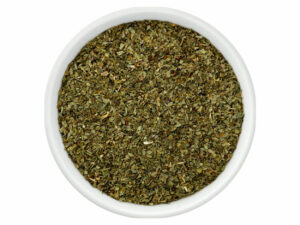
Marjoram Flakes are harvested from the leaves of the marjoram plant and has a sweet flavor profile with hints of citrus and pine.
Their vibrant green color and fragrant aroma make them a delightful addition to a wide range of dishes, from soups and stews to sauces, and marinades!
Source86 Bulk Marjoram Flakes is available in large quantities that fit your wholesale ingredient needs 📦
Request for a Quote now to get started! 📨
Source86 is your number one supplier for premium bulk raw ingredients! ☝🏼
From sourcing to importing, our global team of trusty sourcerers is committed to getting you only the best ingredients in the market! 💯
Need a quote, more info, or a sample? Fill out the form below, and we’ll be happy to help.
Are you a vendor? Please contact us here.
| Scientific Name | Origanum majorana |
|---|---|
| Origin Countries | Cyprus (Mediterranean), Turkey, and the Western Asia region |
| Product Use | Soups and sauces, seasonings and dry blends, marinades. |







Marjoram flakes are made by harvesting fresh marjoram leaves and carefully drying them to remove moisture while preserving their flavor and aroma. The marjoram leaves are typically washed, trimmed, and then spread out in a single layer on drying trays or racks. They are then placed in a dehydrator or oven set to a low temperature to slowly dry them. The drying process may take several hours, during which the marjoram leaves gradually lose moisture until they become crisp and brittle.
Marjoram flakes offer a delicate and slightly sweet flavor profile with hints of pine and citrus. They have a mild and aromatic taste, reminiscent of oregano but milder and more floral, adding depth and complexity to dishes without overpowering other ingredients.
Marjoram flakes have a coarse texture, with dried leaves that are slightly crumbly and easily crushed between the fingers. While not as fine as powdered herbs, they still provide a pleasant texture when sprinkled over dishes, offering a subtle crunch and burst of flavor.
Marjoram flakes typically exhibit a vibrant green color, though it may be slightly muted compared to fresh marjoram leaves. This green hue adds visual appeal to dishes and serves as a marker of freshness and quality.
Marjoram flakes contain various vitamins, minerals, and antioxidants, including vitamin K, vitamin A, calcium, and iron. They also provide dietary fiber and phytochemicals that may have potential health benefits, such as anti-inflammatory and antimicrobial properties.
Marjoram flakes have low moisture content, which helps preserve their texture and flavor over time. While they do not contribute significantly to binding ingredients in recipes, they can be rehydrated in liquid or incorporated into moist ingredients to enhance flavor and aroma.
Marjoram flakes emit a subtle yet distinctive aroma, with floral, piney, and citrusy notes. Their aromatic profile adds depth and complexity to dishes, enhancing the overall sensory experience and contributing to the fragrance of culinary creations.
Marjoram flakes provide a well-balanced flavor to dishes, complementing other ingredients without overpowering them. Their mild and aromatic taste allows for precise seasoning, ensuring a harmonious fusion of flavors in recipes.
The vibrant green color and aromatic fragrance of marjoram flakes create contrast when paired with other ingredients in dishes. Their bold appearance and delicate aroma add visual and sensory interest, enhancing the overall appeal and complexity of culinary creations.
Marjoram is commonly used in Mediterranean, Middle Eastern, and European cuisines, where it is prized for its aromatic and culinary qualities. Marjoram flakes are a versatile ingredient in various cultural and regional dishes, including soups, stews, sauces, meats, and vegetable dishes.
Marjoram flakes are generally safe for consumption and are suitable for various dietary preferences, including vegetarian, vegan, gluten-free, and dairy-free diets. However, individuals with allergies or sensitivities to certain herbs or spices should check the ingredient list carefully.
Marjoram flakes are often included in seasoning blends and spice mixes for convenience foods, snacks, and packaged products. These blends may contain Marjoram along with other herbs and spices to create unique flavor profiles tailored to specific culinary applications.
Marjoram flakes are frequently added as an ingredient in various packaged foods such as soups, sauces, marinades, dressings, and ready-to-eat meals. They provide flavor enhancement and visual appeal to these products, while also offering convenience and shelf stability.
Marjoram flakes are commonly used to season meat and poultry products, such as sausages, meatballs, burgers, and roast meats. They add a subtle yet distinctive flavor to these dishes, enhancing their taste and aroma.
Marjoram flakes can be used to flavor bakery items such as bread, crackers, and savory pastries. They add an aromatic and herbaceous element to these products, enhancing their taste and texture.
Marjoram flakes are often used in pre-packaged meals such as pasta dishes, rice dishes, and vegetable stir-fries to provide a subtle seasoning. They add depth of flavor and complexity to these convenience foods, making them more appealing to consumers.

Marjoram is indigenous to Cyprus (Mediterranean), Turkey, and the Western Asia region. Marjoram leaves are usually ready to harvest around 6 weeks after it is planted.