


We don’t like junk emails either.
That’s why we only send the good stuff… short, smart, and worth the open.

Source86
Importer of specialty raw ingredients, finished products and anything in between
The brands we supply can be found nationwide at







Ground Basil imparts a fragrant and herbaceous flavor profile reminiscent of fresh basil leaves. 🌱 Its subtle peppery notes, combined with hints of sweetness and anise, add depth and complexity to a wide range of dishes, including sauces, soups, dressings, marinades, and baked goods. Source86 Ground Basil is available in bulk quantities and custom pack sizes that fit your wholesale ingredient needs! 📦 Request for a Quote now to get started! 📨 Source86 is your number one supplier for premium bulk raw ingredients! ☝🏼 From sourcing to importing, our global team of trusty sourcerers is committed to getting you only the best ingredients in the market! 💯
Need a quote, more info, or a sample? Fill out the form below, and we’ll be happy to help.
Are you a vendor? Please contact us here.
| Scientific Name | Ocimum basilicum |
|---|---|
| Origin Countries | India, Vietnam and Indonesia |
| Product Use | Seasoning blends, frozen food, marinades and rubs. |






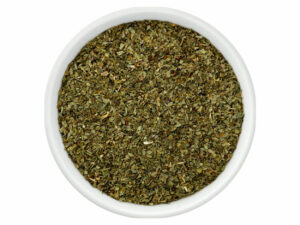
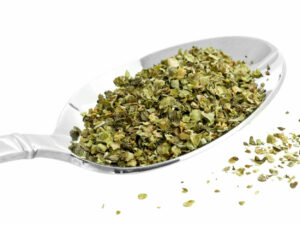
Ground basil is made by harvesting fresh basil leaves, which are then thoroughly washed and dried to remove any moisture. Once dried, the basil leaves are ground into a fine powder using a grinder or milling machine. This grinding process breaks down the leaves into small particles, releasing their aromatic oils and intensifying their flavor.
Ground basil offers a distinctively aromatic and slightly sweet flavor with hints of peppery undertones. It has a mild, yet refreshing taste reminiscent of fresh basil leaves, making it a versatile seasoning in various culinary applications.
Ground basil typically has a fine, powdery texture, similar to other dried herbs. It disperses easily and evenly when sprinkled onto dishes, imparting its flavor throughout the food.
The color of ground basil is a vibrant green when freshly ground, reflecting the natural hue of fresh basil leaves. However, over time and with exposure to light and air, the color may fade slightly, turning into a muted green or even a brownish-green.
Ground basil retains some of the nutritional properties of fresh basil, including vitamins A and K, as well as minerals like manganese and iron. However, the drying process may lead to a reduction in certain nutrients. Nonetheless, it still adds flavor and some nutritional value to dishes.
Ground basil is low in moisture and does not contribute significantly to binding ingredients together in recipes. However, its aromatic properties can enhance the overall sensory experience of a dish.
Ground basil exudes a fragrant aroma that is characteristic of fresh basil leaves, albeit somewhat milder due to the drying process. Its aromatic profile includes notes of sweetness, herbaceousness, and a subtle peppery quality, which can elevate the aroma of various dishes.
Achieving balance with ground basil involves using it judiciously to enhance dishes without overpowering other flavors. Its subtle sweetness and herbal notes should complement the overall flavor profile, contributing to a harmonious taste experience.
Ground basil can provide contrast to dishes by adding a fresh, herbal flavor that contrasts with other ingredients’ savory or rich characteristics. This can create a dynamic interplay of flavors and elevate the complexity of the dish.
Basil holds cultural significance in various cuisines worldwide, particularly in Mediterranean and Southeast Asian cooking. It is a staple herb in Italian cuisine, where it is used in dishes like pesto and Caprese salad. In Thai cuisine, basil is a key ingredient in dishes such as Thai basil chicken and green curry.
Individuals with allergies to basil should avoid ground basil products. Additionally, those following low-sodium diets should be cautious when using ground basil, as some commercial blends may contain added salt.
Ground basil is often included in seasoning blends and spice mixes used in the production of sauces, dressings, marinades, and dry rubs. Its herbaceous flavor adds depth and complexity to the final product, enhancing the overall taste experience
Food manufacturers incorporate ground basil into pre-packaged meals such as soups, stews, pasta sauces, and ready-to-eat entrees. Its aromatic qualities infuse these dishes with a fresh, herbal taste reminiscent of homemade cooking.
Ground basil may be used in the production of bakery items like bread, crackers, and savory pastries to add a subtle herbaceous flavor. It can also be included in doughs for pizza crusts or flatbreads, contributing to a more vibrant and flavorful end product.
Ground basil can be incorporated into snack foods such as seasoned nuts, popcorn, or chips to provide a unique flavor profile. Its herbal notes offer a refreshing twist to traditional snack offerings, appealing to consumers looking for innovative taste experiences.
Ground basil is commonly used in the production of frozen meals and appetizers, including pizzas, lasagnas, and stuffed pastas. Its flavor remains intact during the freezing process, ensuring that the final product retains its aromatic qualities upon reheating.
Ground basil may be included in condiments such as pesto, salsa verde, and flavored mayonnaises. These condiments serve as versatile flavor enhancers for sandwiches, wraps, salads, and other culinary creations.
Ground basil can be incorporated into dairy products like cheese spreads, dips, and flavored butters, as well as plant-based alternatives such as vegan cheeses and creamy sauces. Its herbal flavor complements the richness of these products, adding a fresh, savory element.

The main producers of the basil plant are India, Vietnam and Indonesia. Basil is a warm-season herb and is typically grown during the spring and summer months in temperate regions. However, in tropical and subtropical climates, basil can be cultivated year-round. The exact harvest season for basil varies depending on the specific location and growing conditions. Generally, basil leaves can be harvested once the plant has reached a sufficient size, usually after 60 to 90 days of planting.