

We don’t like junk emails either.
That’s why we only send the good stuff… short, smart, and worth the open.

Source86
Importer of specialty raw ingredients, finished products and anything in between
The brands we supply can be found nationwide at







Need a quote, more info, or a sample? Fill out the form below, and we’ll be happy to help.
Are you a vendor? Please contact us here.
| Scientific Name | Juglans regia |
|---|---|
| Origin Countries | United States, China, Ukraine and Chile |
| Product Use | Dessert fillings, bars and cereals, frozen desserts. |









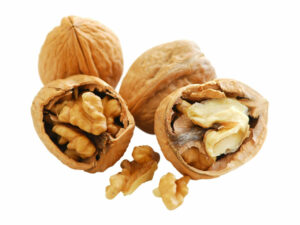
English Walnut Pieces are produced by shelling whole English walnuts to extract the nutmeat, which is then broken or chopped into smaller, bite-sized pieces. The shelling process involves cracking open the walnuts to access the nutmeat inside. Once the nutmeat is extracted, it undergoes further processing to ensure that it is free from shell fragments and impurities. The pieces are then carefully sorted, inspected for quality, and packaged for distribution to food manufacturers.
English Walnut Pieces boast a rich, nutty flavor with a hint of sweetness that adds depth to a wide range of dishes. Their flavor profile enhances both sweet and savory recipes, making them a versatile ingredient in food manufacturing.
These walnut pieces have a satisfyingly crunchy texture that provides a delightful contrast to softer ingredients in dishes. The texture remains intact even after baking or cooking, adding a pleasant crunch to various culinary creations.
English Walnut Pieces typically have a light to medium brown color, which can vary slightly depending on the roasting process or storage conditions. Their natural hue adds warmth and visual appeal to dishes, making them an attractive ingredient for food manufacturers.
Rich in omega-3 fatty acids, antioxidants, vitamins, and minerals, English Walnut Pieces offer a powerhouse of nutrients. They provide essential nutrients for overall health, including heart-healthy fats, fiber, and protein, making them a valuable addition to a balanced diet.
While English Walnut Pieces contain natural oils that contribute to their flavor and texture, they can also help bind ingredients together in recipes. Their moisture content can add richness and help maintain the desired consistency in various food products.
English Walnut Pieces release a fragrant aroma when toasted or incorporated into dishes, enhancing the overall sensory experience. The aromatic notes of these walnuts complement a wide range of flavors and can elevate the taste profile of dishes.
When used in recipes, English Walnut Pieces contribute to a well-rounded flavor profile by adding a nutty richness that balances other ingredients. Their flavor and texture help create a harmonious blend of tastes, ensuring a satisfying culinary experience.
The crunchy texture of English Walnut Pieces provides a pleasing contrast to softer components in dishes, creating a dynamic mouthfeel. This contrast adds interest and dimension to recipes, enhancing the overall eating experience.
English Walnuts have a long history of culinary use in various cultures and regions, particularly in Western cuisine where they are commonly featured in both sweet and savory dishes. Their presence in traditional recipes reflects their cultural significance and culinary versatility.
English Walnut Pieces are a popular choice for individuals following special dietary considerations, such as vegetarian, vegan, gluten-free, or paleo diets. They offer a nutrient-dense and flavorful option for those with dietary restrictions or preferences, making them a versatile ingredient for a wide range of dietary needs.
English Walnut Pieces are frequently utilized in baked goods such as cakes, cookies, muffins, and bread. Their crunchy texture and nutty flavor enhance the taste and visual appeal of these products.
These walnut pieces serve as a popular topping for salads, adding a contrast in texture and a nutty flavor that complements fresh greens, fruits, and dressings in food manufacturing.
English Walnut Pieces are a common ingredient in nut mixes and trail mixes, contributing variety and crunch to the blend. They can be combined with other nuts, seeds, and dried fruits to create a balanced and flavorful snack.
In food manufacturing, English Walnut Pieces are ground into a coarse meal and used as a coating for meats, fish, or vegetables. They provide a crispy texture and nutty flavor to the dish when baked or fried.
These walnut pieces are often included in fillings for pastries, pies, and confections, offering a rich, nutty taste and a satisfying crunch to these dessert items.
English Walnut Pieces are commonly used in the production of granola and cereal bars, adding texture, flavor, and nutritional value to these convenient and popular snacks.
English Walnut Pieces can be ground into a smooth or chunky nut butter, providing a delicious spread option for consumers seeking a nutty and nutritious alternative.
These walnut pieces are sometimes incorporated as a mix-in ingredient for ice cream and frozen desserts, delivering a crunchy texture and enhancing the overall flavor profile of the treat.
English Walnut Pieces find their way into various snack foods, including energy bars, snack mixes, and nut clusters, offering a convenient and nutritious option for on-the-go consumers.

The main producing countries of walnuts are the United States, China, Ukraine and Chile. In the United States, walnuts are usually harvested during the fall season, from mid-September through November.