





Bulk Creole Seasoning
Request More Information
Need a quote, more info, or a sample? Fill out the form below, and we’ll be happy to help.
Are you a vendor? Please contact us here.
Product Data
| Origin Countries | Made with spices from all around the world. |
|---|---|
| Product Use | Coatings, marinades, sauces and dips |










Production & Sourcing
Creole seasoning is made by blending together a variety of spices and herbs to create a complex and flavorful seasoning blend. The exact ingredients can vary, but typical components include paprika, cayenne pepper, garlic powder, onion powder, thyme, oregano, and black pepper. These ingredients are carefully measured and combined in specific proportions to achieve a balanced flavor profile with savory, spicy, and aromatic notes. The spices and herbs are ground or powdered before being thoroughly mixed to ensure uniform distribution of flavors.
Applications
- Seasonings and Dry Blends
- Marinades
- Spice Blends
- Coatings
- Sauces and Dips
- Dressings
- Snack Production
- Soups and Stews
- Vegan
- Vegetarian
Functionality
- Flavor Enhancement
Benefits
Creole seasoning is known for its bold and complex flavor profile, combining savory, spicy, and aromatic elements. It typically includes ingredients such as paprika, cayenne pepper, garlic powder, onion powder, thyme, oregano, and black pepper. The flavor is rich, with a combination of smoky, earthy, and herbal notes, along with a moderate level of heat from the cayenne pepper.
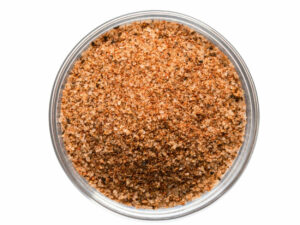
Creole seasoning is a dry blend of ground spices and herbs, resulting in a fine texture that disperses evenly when used in cooking. It adds a subtle crunch and texture to dishes, enhancing their overall mouthfeel.
Creole seasoning is characterized by its reddish-brown hue, primarily due to the presence of paprika and cayenne pepper. The color may vary slightly depending on the proportions of ingredients used in the blend.
Creole seasoning typically contains a variety of spices and herbs, each contributing its unique nutritional profile. While it is not a significant source of macronutrients, it adds flavor and complexity to dishes without adding significant calories, fat, or carbohydrates.
Creole seasoning is dry and does not contain moisture or binding agents. It adheres well to food surfaces and can be used as a dry rub or seasoning blend for meats, seafood, vegetables, and grains.
The aromatics of Creole seasoning are robust and aromatic, with a fragrant blend of herbs and spices. It fills the air with a savory and enticing aroma, evoking the flavors of traditional Creole cuisine.
Creole seasoning is carefully balanced to achieve a harmonious blend of flavors and aromatics. The combination of herbs, spices, and seasonings creates a well-rounded flavor profile with layers of complexity and depth.
Creole seasoning provides a contrast of flavors, textures, and aromas to dishes, enhancing their overall taste profile. It adds depth and dimension to savory dishes, balancing the sweetness of vegetables or proteins with the heat and earthiness of the spices.
Creole seasoning is deeply rooted in the culinary traditions of Louisiana Creole cuisine, which blends elements of French, Spanish, African, and Native American cultures. It is commonly used in dishes such as gumbo, jambalaya, red beans and rice, and blackened fish, adding authentic Creole flavor to these iconic dishes.
Creole seasoning may contain ingredients that could trigger allergies or sensitivities in some individuals, such as garlic or onion powder.
Uses in manufacturing
Creole seasoning is commonly used in food manufacturing as a versatile seasoning and flavoring agent. It is added to a wide range of products to impart the characteristic bold and complex flavor profile of Creole cuisine. Creole seasoning can be incorporated into marinades, rubs, sauces, and seasoning blends to enhance the taste of meats, seafood, poultry, vegetables, and grains.
In food manufacturing, Creole seasoning is often used to create dry rubs and coatings for meats and seafood. It can be applied directly to the surface of proteins such as chicken, fish, shrimp, and pork to add flavor and create a flavorful crust when cooked. Creole seasoning can also be mixed with breadcrumbs or flour to create coatings for fried or baked foods, adding a delicious Cajun-inspired twist.
Creole seasoning is frequently used as an ingredient in prepared foods and packaged products. It can be added to soups, stews, sauces, dips, dressings, and side dishes to infuse them with the distinctive flavor of Creole cuisine. Creole seasoning is a versatile ingredient that adds depth and complexity to a wide range of culinary creations, making it popular in food manufacturing.
In food manufacturing, Creole seasoning is sometimes used to flavor snacks and chips, providing consumers with a spicy and flavorful snack option. It can be sprinkled or mixed into snack mixes, popcorn, pretzels, nuts, and chips to create a zesty and satisfying snack experience. Creole-seasoned snacks are often enjoyed as a savory and spicy alternative to traditional snack flavors.

Main producing countries and Harvest time.
Creole seasoning can be made all-year-round as it is a blend of different spices, herbs and aromatics such as paprika, salt, onion powder, cayenne pepper, oregano, black and white pepper.