





Bulk Dill – Seed | Steam Treated
Request More Information
Need a quote, more info, or a sample? Fill out the form below, and we’ll be happy to help.
Are you a vendor? Please contact us here.
Product Data
| Scientific Name | Anethum graveolens |
|---|---|
| Origin Countries | India, Eran, Turkey |
| Product Uses | Seasonings and sauces, beverage infusions, prepsred meals |








Production & Sourcing
Steam-treated dill seeds are produced through a controlled steaming process that aims to enhance their flavor, aroma, and texture while maintaining their nutritional integrity. Here’s an overview of the typical steps involved in creating steam-treated dill seeds:
Selection and Cleaning:
High-quality dill seeds are selected for the steam treatment process. These seeds should be clean, free from foreign matter, and have a good aroma and color. Any impurities, dust, or debris are removed through cleaning processes to ensure the final product’s purity and safety.
Steaming:
The cleaned dill seeds are subjected to steam in a controlled environment. The steaming process involves exposing the seeds to steam at a specific temperature and duration. The steam helps to open up the seeds’ cellular structure, allowing them to absorb moisture and release their natural aromatic compounds. This enhances the flavor and aroma of the seeds.
Drying:
After the steaming process, the seeds are gently dried to reduce their moisture content to a level suitable for storage. The drying process helps to prevent the growth of microorganisms and maintain the shelf life of the seeds.
Applications
- Pickles and Relishes
- Bakery
- Prepared Meals
- Seasonings
- Seasonings and Dry Blends
- Snacks – Savory
- Sauces
- Condiments
- Ethnic and Regional Cuisines
- Beverage Infusions
- Vegan Cooking
- Vegetarian Cooking
- Paleo
- Private Label
Functionality
- Essential Minerals
- Dietary Fiber Enrichment
- Antioxidant
- Flavor Enhancer
Benefits
Steam-treated dill seeds offer a distinctive and intensified flavor compared to raw dill seeds. The steam treatment process enhances their natural aromatic compounds, resulting in a more concentrated and robust dill flavor. The flavor can be described as herbaceous, slightly citrusy, and with a mild licorice-like undertone.
Steam-treated dill seeds retain their characteristic small, oval shape and maintain a slightly crunchy texture. The steaming process doesn’t significantly alter the seed’s texture, allowing it to still provide a delicate crunch and pleasant mouthfeel when consumed.
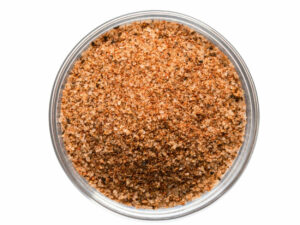
The color of steam-treated dill seeds remains relatively unchanged from their raw state. They typically exhibit a light to medium brown color with some variation, which is characteristic of dill seeds. The steaming process doesn’t have a substantial impact on the color of the seeds.
The nutritional value of steam-treated dill seeds is comparable to that of raw dill seeds. Dill seeds are a good source of dietary fiber, antioxidants, and essential minerals such as iron, manganese, and calcium. They also contain essential oils that contribute to their aromatic properties. The steam treatment may slightly alter the bioavailability of certain nutrients, but overall, the nutritional impact is minimal.
Steam-treated dill seeds might retain slightly more moisture than raw seeds due to the steaming process. This could enhance their binding ability when used in culinary applications. The moisture content can influence the way the seeds interact with other ingredients in dishes like bread, pickles, or spice blends.
Steam-treated dill seeds exhibit a heightened aromatic profile compared to raw seeds. The steaming process releases and concentrates the essential oils present in the seeds, resulting in a more aromatic and flavorful ingredient. The intensified aromatics can enhance the overall sensory experience of dishes.
Steam-treated dill seeds contribute to the balance and contrast in various dishes. Their intensified flavor can add depth to both savory and sweet dishes, creating a harmonious balance of herbal and slightly sweet notes. Additionally, the contrast between the crunchy texture of the seeds and the other ingredients in a dish provides a satisfying sensory experience.
Dill seeds are commonly used in various cuisines around the world. They have a notable presence in Eastern European, Mediterranean, and Indian cuisines. Steam-treated dill seeds can be incorporated into traditional dishes like pickles, bread, soups, stews, and spice blends, adding a unique twist to the flavors while maintaining the cultural and regional influences of the original dishes.
Steam-treated dill seeds can be suitable for various dietary preferences, including vegetarian, vegan, and gluten-free diets. They are generally low in calories and can be used in moderation to enhance the flavor of dishes without significantly altering their nutritional profile. However, individuals with allergies to seeds or related allergens should exercise caution and consult with a healthcare professional before consuming steam-treated dill seeds.
In summary, steam-treated dill seeds offer an intensified flavor, retained texture and color, and comparable nutritional value to raw seeds. They play a role in enhancing aromatics, contributing to balance and contrast in dishes, and can be used to infuse cultural or regional influences into various culinary creations.
Uses in manufacturing
In food manufacturing, steam-treated dill seeds can be used in a variety of ways to enhance the flavor, aroma, and texture of products. Here are some common applications:
Steam-treated dill seeds are a popular addition to pickles and relishes. They can be included whole or ground to infuse the characteristic dill flavor and aroma into the products. The enhanced aroma and flavor of steam-treated dill seeds can contribute to the overall quality and uniqueness of the pickled products.
Steam-treated dill seeds can be incorporated into bread, rolls, crackers, and other baked goods. Their slightly crunchy texture and intensified dill flavor can add a delightful twist to traditional recipes. These seeds can be sprinkled on top of bread or incorporated into the dough for a subtle herbal note.
Food manufacturers often create seasoning blends for various applications, including snacks, dips, and prepared meals. Steam-treated dill seeds can be ground and combined with other spices and herbs to create versatile seasoning blends that impart a distinctive dill flavor and aroma to dishes.
Snack foods like roasted nuts, trail mixes, and popcorn can benefit from the addition of steam-treated dill seeds. The crunch and bold flavor of the seeds can complement the textures and tastes of other ingredients, creating a balanced and unique snacking experience.
Steam-treated dill seeds can be used in the production of ready-to-eat meals, salads, and side dishes. They can be added to sauces, dressings, or marinades to enhance the overall flavor profile of the dishes, providing an herby and slightly citrusy note.
Sauces and condiments such as mayonnaise, mustard, and aioli can be infused with the flavor of steam-treated dill seeds. These seeds can contribute to a tangy, aromatic, and herbaceous element that elevates the taste of the condiments and complements the other ingredients.
Steam-treated dill seeds can be incorporated into a wide range of ethnic and specialty foods. For example, they can be used in Indian cuisine to enhance the flavor of yogurt-based sauces or chutneys, or in Mediterranean cuisine to add depth to dishes like hummus and tzatziki.
Innovative food manufacturers may experiment with using steam-treated dill seeds in beverage infusions. These seeds can be steeped in water or other liquids to create dill-flavored beverages that offer a unique and refreshing taste.
In each of these applications, the steam-treated dill seeds contribute their intensified flavor, aroma, and texture to enhance the overall sensory experience of the food products. Manufacturers can adjust the quantity of steam-treated dill seeds based on the desired flavor intensity and product specifications.

Main producing countries and Harvest time
India, Iran and Turkey are among the main producers of dill in the world. Dill is an annual herb that produces seeds after flowering. In general, dill plants are harvested for their seeds when the seed heads have fully matured and turned brown. This usually occurs in late summer to early fall, typically from July to September in many regions.