




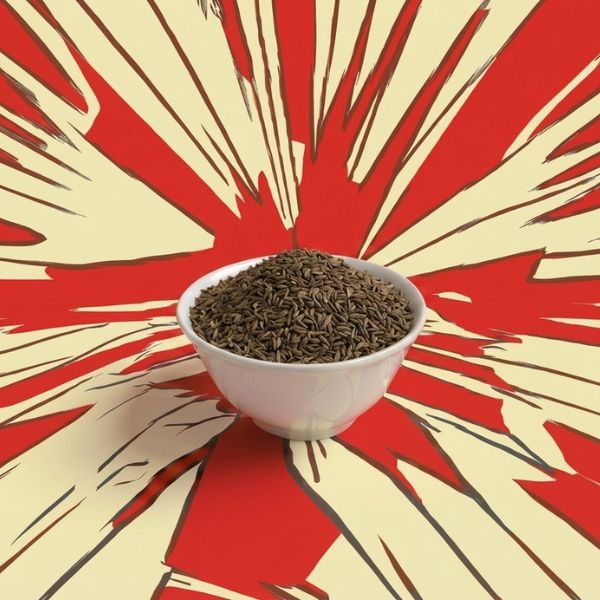
Bulk Dill – Seed (Organic)
Request More Information
Need a quote, more info, or a sample? Fill out the form below, and we’ll be happy to help.
Are you a vendor? Please contact us here.
Product Data
| Scientific Name | Anethum graveolens |
|---|---|
| Origin Countries | India, Eran, Turkey |
| Product Uses | Organic spice mixes, condiments, beverage infusions |





Production & Sourcing
Organic dill seeds are cultivated and processed using natural methods that prioritize environmental sustainability and health. The process starts by growing dill plants without synthetic pesticides, herbicides, or chemical fertilizers. Once the dill plants mature, they develop seed heads that contain the dill seeds. These seed heads are carefully hand-harvested when they turn brown and dry. The collected seed heads are then gently dried using methods that retain the seeds’ quality and characteristics. After drying, the seeds are separated from the seed heads, cleaned to remove impurities, and packaged in containers that meet organic standards. The result is organic dill seeds that are free from synthetic chemicals, aligning with organic farming principles and providing a natural and flavorful ingredient for various culinary and herbal uses.
Applications
- Pickles and Relishes
- Bakery
- Snacks – Savory
- Organic Spice Mixes
- Prepared Melas
- Spice Blends
- Seasonings
- Sauces
- Condiments
- Ethnic and Regional Cuisines
- Beverage Infusions
- Private Lavel
- Paleo
- Vegetarian Cooking
- Vegan Cooking
Functionality
- Essential Minerals
- Flavor Enhancer
- Dietary Fiber Enrichment
- Antioxidant
Benefits
Organic dill seeds offer a flavor that is similar to conventionally grown dill seeds, characterized by their herbaceous, slightly citrusy, and mildly licorice-like taste. Organic cultivation practices may result in a slightly more robust and natural flavor profile due to the absence of synthetic pesticides or chemical fertilizers.
The texture of organic dill seeds is typically the same as conventionally grown seeds. They maintain their small, oval shape and a slightly crunchy texture. Organic cultivation practices that promote healthy soil and plant growth might contribute to seeds with a well-preserved texture.
Organic dill seeds have a natural light to medium brown color, similar to conventionally grown seeds. The absence of synthetic chemicals in organic cultivation may result in seeds that retain their authentic color, free from artificial additives or residues.
Organic dill seeds retain the same nutritional value as conventionally grown seeds. They are a good source of dietary fiber, antioxidants, and essential minerals such as iron, manganese, and calcium. Organic cultivation practices that focus on soil health and biodiversity could potentially enhance the nutrient content and overall nutritional quality of the seeds.
Organic dill seeds might retain slightly more moisture compared to conventionally grown seeds due to organic farming methods that prioritize soil moisture retention. This natural moisture could enhance the seeds’ binding ability when used in culinary applications, contributing to a better incorporation into various dishes.
Organic dill seeds exhibit the same heightened aromatic profile as conventionally grown seeds. Organic cultivation practices that encourage the growth of healthy plants with well-developed essential oils might even enhance the aromatic qualities of the seeds, resulting in a more flavorful and aromatic ingredient.
Organic dill seeds contribute to the balance and contrast in dishes, similar to conventionally grown seeds. Their intensified flavor and aromatic qualities can add depth to both savory and sweet dishes, creating a harmonious balance of herbal and slightly sweet notes. The contrast between the seeds’ texture and other ingredients provides a satisfying sensory experience.
Organic dill seeds are used in various cuisines around the world, just like conventionally grown seeds. Their cultural and regional influences remain unchanged, as they can be incorporated into traditional dishes from Eastern European, Mediterranean, and Indian cuisines, among others.
Organic dill seeds are suitable for a range of dietary preferences, including vegetarian, vegan, and gluten-free diets. Their natural cultivation methods align with organic and environmentally conscious dietary choices. As with any food product, individuals with allergies to seeds or related allergens should exercise caution and consult with a healthcare professional before consumption.
In summary, organic dill seeds offer a natural and flavorful option that aligns with organic farming principles. Their flavor, texture, color, and overall culinary applications are comparable to conventionally grown seeds. Organic cultivation practices may enhance the seeds’ natural qualities and nutritional value.
Uses in manufacturing
In food manufacturing, organic dill seeds are used in a similar manner to conventionally grown dill seeds to enhance the flavor, aroma, and texture of various products. Here are some common applications of organic dill seeds in food manufacturing:
Organic dill seeds are a popular ingredient in the production of organic pickles and relishes. They can be added to pickling brines or directly incorporated into the products to infuse the characteristic dill flavor and aroma. Organic pickles and relishes are produced without synthetic pesticides or fertilizers, aligning with organic principles.
Organic dill seeds can be included in the production of organic baked goods such as organic bread, rolls, and crackers. Their slightly crunchy texture and intensified dill flavor can add a unique twist to organic recipes, catering to consumers who prioritize organic and natural ingredients.
Food manufacturers often create organic seasoning blends for snacks, dips, and prepared meals. Organic dill seeds can be ground and combined with other organic spices and herbs to create organic seasoning blends that offer a distinctive dill flavor and aroma.
Organic dill seeds can be incorporated into a range of organic snack foods such as organic roasted nuts, organic trail mixes, and organic popcorn. Their crunch and bold flavor can complement other organic ingredients, providing a satisfying and flavorful organic snacking experience.
Organic dill seeds can be used in the production of organic ready-to-eat meals, organic salads, and organic side dishes. They can be added to organic sauces, dressings, or marinades to enhance the organic flavor profile of the dishes.
Organic condiments like organic mayonnaise, organic mustard, and organic aioli can be infused with the flavor of organic dill seeds. These seeds can contribute to a tangy, aromatic, and herbaceous element that aligns with organic and natural product standards.
Organic dill seeds can be incorporated into a variety of organic ethnic and specialty foods. For example, they can be used in organic Indian cuisine to enhance the flavor of organic yogurt-based sauces or chutneys, or in organic Mediterranean cuisine to add depth to dishes like organic hummus and organic tzatziki.
Innovative food manufacturers may explore using organic dill seeds in organic beverage infusions. These seeds can be steeped in organic water or other organic liquids to create organic dill-flavored beverages that appeal to consumers seeking organic and natural options.
In each of these applications, organic dill seeds contribute their intensified flavor, aroma, and texture to enhance the overall sensory experience of organic food products. Manufacturers can adjust the quantity of organic dill seeds based on the desired flavor intensity and organic product specifications.

Main producing countries and Harvest time
India, Iran and Turkey are among the main producers of dill in the world. Dill is an annual herb that produces seeds after flowering. In general, dill plants are harvested for their seeds when the seed heads have fully matured and turned brown. This usually occurs in late summer to early fall, typically from July to September in many regions.