





Bulk Garlic Salt
Request More Information
Need a quote, more info, or a sample? Fill out the form below, and we’ll be happy to help.
Are you a vendor? Please contact us here.
Product Data
| Origin Countries | China, India and Bangladesh |
|---|---|
| Product Uses | Snack production, soups and stews, meat and poultry processing |







Production & Sourcing
Garlic salt is made by blending finely ground garlic powder with an equal portion of salt. The garlic powder is typically obtained by dehydrating garlic cloves and then grinding them into a fine powder. This powder is then mixed thoroughly with salt to create garlic salt. The ratio of garlic powder to salt may vary depending on the desired flavor intensity and saltiness. The mixture is then sieved to ensure uniform distribution of garlic particles throughout the salt crystals.
Applications
- Seasoning Blends
- Processed Food
- Meat and Poultry
- Baked Goods
- Snack Production
- Savory Dishes
- Convenience Foods
- Salad and Side Dishes
- Soups and Stews
- Meat and Poultry Seasoning
- Vegan
- Vegetarian
Functionality
- Flavor Enhancement
Benefits
Garlic salt combines the pungent, savory flavor of garlic with the subtle salinity of salt, resulting in a versatile seasoning that enhances the taste of various dishes. It offers a balanced blend of garlic and salt flavors, providing depth and complexity to culinary creations.
Garlic salt typically has a fine texture, with the garlic granules evenly dispersed throughout the salt crystals. This texture allows for easy incorporation into dishes, ensuring uniform distribution of flavor.
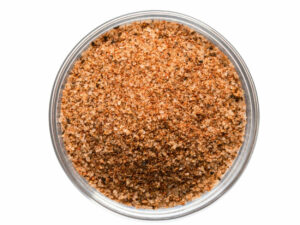
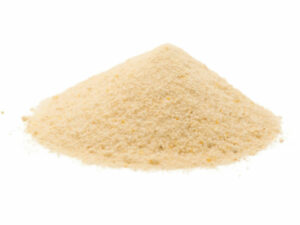
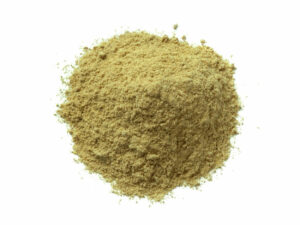
The color of garlic salt can vary depending on the type of salt used and the ratio of garlic to salt. It often ranges from off-white to light beige, with specks of garlic granules visible throughout the mixture.
Garlic salt contributes to the sodium content of dishes and provides a small amount of additional nutrients from the garlic, such as vitamins C and B6, manganese, and selenium. However, it is essential to use garlic salt in moderation due to its high sodium content.
Garlic salt is typically dry and free-flowing, with no added moisture or binding agents. This ensures its long shelf life and ease of use as a seasoning.
Garlic salt releases a strong garlic aroma when added to dishes, complementing the savory scent of the garlic with a subtle saline note from the salt.
Garlic salt strikes a balance between the robust garlic flavor and the salinity of salt, allowing it to enhance the taste of dishes without overwhelming other ingredients.
Garlic salt provides a contrast of flavors, adding depth and dimension to both savory and some sweet dishes. It can intensify the taste of meats, vegetables, pasta, soups, and sauces, as well as enhance the flavor of bread, crackers, and other baked goods.
Garlic salt is a popular seasoning in various cuisines worldwide, including Mediterranean, American, Italian, and Mexican cuisine. It adds a savory touch to dishes and reflects the widespread use of garlic in culinary traditions globally.
While garlic salt adds flavor to dishes, it should be used in moderation, especially for individuals following low-sodium diets or those with hypertension or other health conditions that require monitoring sodium intake. Additionally, individuals with garlic allergies or sensitivities should check the ingredients list for potential allergens in commercially prepared garlic salt products.
Uses in manufacturing
Food manufacturers often incorporate garlic salt into various seasoning blends to add flavor to snacks, chips, popcorn, nuts, and other savory snacks. It contributes a balanced garlic and salt flavor profile to these products, enhancing their taste and appeal.
Garlic salt is used in the production of processed foods such as sauces, dressings, marinades, soups, and ready-to-eat meals. It serves as a convenient way to add garlic flavor and saltiness to these products, providing consistent taste and quality.
In meat and poultry processing, garlic salt is frequently added to seasonings, rubs, and brines for marinating, seasoning, or curing meats. It imparts garlic flavor and helps to enhance the overall taste of meat and poultry products, including sausages, deli meats, and jerky.
Garlic salt is used in bakery products like bread, crackers, and savory snacks to impart garlic flavor and a hint of saltiness. It can be added directly to dough or batter during the manufacturing process or sprinkled on top of finished products for additional flavor.
Garlic salt is a common ingredient in convenience foods such as frozen meals, pizza, and pasta dishes. It provides a quick and easy way to season these products, ensuring consistent flavor and quality in prepared meals.
Food manufacturers may also produce garlic salt for use as a standalone seasoning in home kitchens and foodservice establishments. Consumers can sprinkle it on a wide range of dishes, including grilled meats, roasted vegetables, pasta, salads, and soups, to add instant garlic flavor and seasoning.

Main producing countries and Harvest time.
China, India and Bangladesh are the top producers of garlic. Harvest season for garlic is usually during the summer season.