
We don’t like junk emails either.
That’s why we only send the good stuff… short, smart, and worth the open.

Source86
Importer of specialty raw ingredients, finished products and anything in between
The brands we supply can be found nationwide at







Add a bright citrus flavor to your food and beverage products with Source86 Lemon Peel Granules! 🍋
The vibrant citrus flavor of lemon peel granules enhances the taste of a variety of food products, including baked goods, sauces, dressings, marinades, and beverages, adding a refreshing twist that delights the senses.
Source86 Bulk Lemon Peel Granules is available in large quantities and custom pack sizes 📦
Request for a Quote now to get started! 📨
Source86 is your number one supplier for premium bulk raw ingredients! ☝🏼
From sourcing to importing, our global team of trusty sourcerers is committed to getting you only the best ingredients in the market! 💯
Need a quote, more info, or a sample? Fill out the form below, and we’ll be happy to help.
Are you a vendor? Please contact us here.
| Scientific Name | Citrus limon |
|---|---|
| Origin Countries | Spain, USA and Italy |
| Product Use | Dairy products, prepared meals, frozen desserts |









Lemon Peel Granules are made by carefully selecting ripe lemons and thoroughly washing them to remove any dirt or residues. The outer peel of the lemons is then carefully removed, ensuring only the zest portion is obtained. The lemon peels are dried using low-heat dehydration methods to preserve their flavor and aroma while removing moisture. Once dried, the lemon peels are ground into granules of uniform size.
Lemon Peel Granules offer a bright and citrusy flavor with a slightly bitter undertone. They possess the characteristic tanginess and zestiness of fresh lemon peel, adding a refreshing and aromatic element to dishes. The flavor is both tart and sweet, providing a vibrant burst of citrus that enhances the overall taste experience.
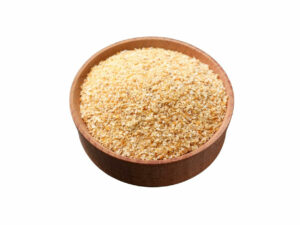
Lemon Peel Granules have a coarse and fibrous texture, similar to other citrus peels. They are dried and ground into granules, providing a slightly chewy consistency when added to recipes. The texture adds a unique mouthfeel to dishes and can be used to create interesting textural contrasts.
Lemon Peel Granules typically exhibit a bright yellow color, reflecting the natural hue of lemon peel. The vibrant color adds visual appeal to dishes, enhancing their presentation and making them visually enticing.
Lemon Peel Granules contain essential oils, antioxidants, and dietary fiber, offering potential health benefits. They are a good source of vitamin C, vitamin A, and various phytonutrients. Lemon peel also contains pectin, a type of soluble fiber that may help promote digestive health and regulate cholesterol levels.
Lemon Peel Granules have low moisture content, which helps preserve their texture and flavor. While they do not contribute significantly to binding ingredients in recipes, their slightly chewy texture adds interest to dishes and can help enhance mouthfeel.
Lemon Peel Granules emit a bright and refreshing aroma with strong citrus notes during cooking or when added to recipes. The peel’s essential oils release fragrant compounds that fill the kitchen with a lively and invigorating scent, enhancing the overall sensory experience of dishes.
Lemon Peel Granules offer a well-balanced flavor profile, with a combination of tartness, sweetness, and bitterness. The balance of these elements ensures that the granules enhance dishes without overpowering other ingredients, allowing their vibrant citrus flavor to shine through.
The tartness and bitterness of Lemon Peel Granules add depth and contrast to dishes, balancing out sweeter flavors and providing a refreshing counterpoint. They can be used to add complexity to both sweet and savory recipes, enhancing their overall taste profile.
Lemon Peel Granules are commonly used in cuisines around the world, particularly in regions where lemons are grown and enjoyed. They are a staple ingredient in Mediterranean, Middle Eastern, and Asian cuisines, adding a burst of citrus flavor to dishes such as salads, marinades, desserts, and beverages.
Lemon Peel Granules are generally considered safe for most dietary preferences and restrictions. However, individuals with citrus allergies or sensitivities should avoid consuming them.
Lemon Peel Granules are added to baked goods such as cakes, cookies, muffins, and scones to impart a bright and zesty lemon flavor. They can also be used in confectionery items such as chocolates, candies, and dessert bars to add a refreshing citrus twist.
Lemon Peel Granules are used in the production of beverages such as teas, infusions, lemonades, and flavored water. They add a tangy and aromatic element to drinks, providing a refreshing and revitalizing taste sensation.
Lemon Peel Granules are incorporated into seasoning blends, spice rubs, and marinades to add depth and complexity to savory dishes. They can be combined with other herbs and spices to create unique flavor profiles for meats, poultry, seafood, and vegetables.
Lemon Peel Granules can be used to flavor ice creams, sorbets, yogurts, and frozen desserts. They add a tangy and refreshing twist to dairy-based products, creating a refreshing and indulgent treat for consumers.
Lemon Peel Granules are sprinkled on snack foods such as popcorn, nuts, and pretzels to add a burst of citrus flavor. They can also be incorporated into snack bars, granola mixes, and trail mixes for a zesty and aromatic touch.
Lemon Peel Granules are added to prepared meals such as pasta sauces, salad dressings, and marinades to enhance their flavor profile. They can also be used in condiments such as mustard and mayonnaise to add a tangy twist.

The main producing countries of yellow lemons are Spain, the United States and Italy. In general, lemons are harvested when they reach their optimal ripeness, which is typically when they have developed their characteristic yellow color. The harvest season can vary from country to country and may span multiple months. However, for many lemon-growing regions, the harvest season typically occurs between late winter and early spring, with peak production occurring during those months