





Bulk Slippery Elm Bark Powder
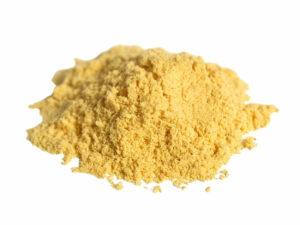
Slippery Elm Bark Powder is a finely milled powder derived from the inner bark of the Slippery Elm tree (Ulmus rubra). 🪵
From supporting digestive health and providing soothing properties to acting as a natural thickening agent and enhancing nutritional profiles, its applications are diverse!
Source86 Slipper Elm Bark Powder is available in bulk quantities that match your wholesale ingredient needs 📦
Request for a Quote now to get started! 📨
Source86 is your number one supplier for premium bulk raw ingredients! ☝🏼
From sourcing to importing, our global team of trusty sourcerers is committed to getting you only the best ingredients in the market! 💯
Request More Information
Need a quote, more info, or a sample? Fill out the form below, and we’ll be happy to help.
Are you a vendor? Please contact us here.
Product Data
| Scientific Name | Ulmus rubra |
|---|---|
| Origin Countries | USA, China and Canada. |
| Product Use | Dietary supplement, herbal blends, beverage infusions |










Production & Sourcing
Slippery Elm Bark Powder is made from the inner bark of the slippery elm tree (Ulmus rubra). The bark is harvested and dried, then ground into a fine powder using a mechanical milling process. The powder may undergo additional processing steps, such as sieving or filtration, to ensure uniform particle size and remove any impurities.
Applications
- Baked Goods
- Herbal Blends
- Beverage Infusions
- Nutritional Bars and Energy Bites
- Nutritional Shakes
- Soups
- Topical Applications
- Dietary Supplements
Functionality
- Dietary Fiber Enrichment
- Digestive Health
- Thickening Agent
- Binding – Strong
Benefits
Slippery elm bark powder has a mild, slightly sweet, and somewhat bland taste. This subtle flavor makes it easy to incorporate into various foods and beverages without significantly altering their taste.
The powder has a fine, smooth texture that becomes gelatinous when mixed with water. This mucilaginous property is due to its high soluble fiber content, which gives it a slippery or gooey consistency when hydrated.
Slippery elm bark powder is typically light brown or beige. The color is natural and comes from the inner bark of the slippery elm tree.
Slippery elm bark powder contains various nutrients, including carbohydrates, fiber, and trace amounts of vitamins and minerals. Its primary nutritional benefit is its high mucilage content, which can aid in digestive health by soothing the gastrointestinal tract.
Slippery elm bark powder has strong moisture-absorbing and binding properties due to its mucilage content. When mixed with water, it forms a thick, gel-like substance that can help bind ingredients together and add moisture to recipes.
The powder has a mild, earthy aroma that is not overpowering. This subtle scent is characteristic of natural, plant-based ingredients and is generally considered pleasant and neutral.
In culinary applications, slippery elm bark powder is often used to balance the texture of foods, adding thickness and smoothness. It can help balance flavors by adding a mild sweetness and improving mouthfeel without overpowering other ingredients.
While slippery elm bark powder does not provide significant contrast in terms of flavor or color, its unique texture can add an interesting element to foods and beverages. The gelatinous consistency when mixed with liquids can contrast with more solid or liquid components in a dish.
Slippery elm bark has been traditionally used in Native American medicine and herbal practices for its soothing properties, particularly for digestive and respiratory issues. It has since been adopted in Western herbal medicine and is commonly used in various natural and holistic health products.
Slippery elm bark powder is generally safe for most people and is often used in dietary supplements and natural remedies. However, individuals with allergies to elm trees or those taking certain medications should consult with a healthcare provider before use.
Uses in manufacturing
Slippery elm bark powder is often included in dietary supplements, particularly those aimed at supporting digestive health. It is available in capsule, tablet, or powdered form for easy consumption.
The powder is used in herbal teas and other beverages designed to soothe the digestive tract. It adds a mild, earthy flavor and a smooth texture to the drinks.
Slippery elm bark powder is incorporated into various health foods, such as nutrition bars, smoothies, and wellness shots. Its mucilaginous properties help improve the texture and provide a feeling of satiety.
It is added to functional food products aimed at providing specific health benefits, such as digestive support or throat soothing. These products might include lozenges, throat sprays, or digestive health blends.
In small quantities, slippery elm bark powder can be added to baked goods to improve their fiber content and provide a soothing effect. It can be mixed into bread, muffins, or cookies.
The powder can be used to thicken soups and broths, adding both nutritional value and a smooth, gelatinous texture that is gentle on the digestive system.
Although not a food use, slippery elm bark powder is also used in topical formulations, such as poultices and balms, for its soothing properties.

Main producing countries and Harvest time.
The main producing countries of Slippery Elm Bark are the USA, China and Canada.