





Bulk Lemon Pepper Seasoning
Request More Information
Need a quote, more info, or a sample? Fill out the form below, and we’ll be happy to help.
Are you a vendor? Please contact us here.
Product Data
| Product Use | Meat and poultry processing, snack production, savory dishes |
|---|







Production & Sourcing
Lemon Pepper Seasoning is made by blending dried lemon zest with coarsely ground black pepper and other complementary spices. The process begins by carefully selecting ripe lemons and removing their outer peel, which is then dried to preserve its flavor and aroma. The dried lemon zest is then finely ground and combined with freshly ground black pepper, creating a balanced blend of citrusy brightness and peppery heat. Additional spices such as garlic powder, onion powder, and salt may also be included to enhance the flavor profile.
Applications
- Meat and Poultry Processing
- Snack Production
- Savory Diahes
- Seasoning Blends
- Salad and Side Diahes
- Sauces
- Frozen Prepared Meals
- Vegan
- Vegetarian
Functionality
- Flavor Enhancement
- Low-Calorie
- Vitamins and Minerals
- Antioxidant
Benefits
Lemon Pepper Seasoning offers a bold and tangy flavor profile with a combination of citrusy brightness and peppery heat. The dominant flavors come from the zest of lemon peel and the pungency of black pepper, creating a zesty and aromatic blend. The seasoning typically balances the tartness of the lemon with the spiciness of the pepper, providing a versatile flavor enhancement for a variety of dishes.
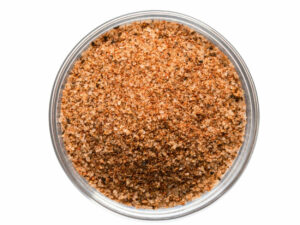
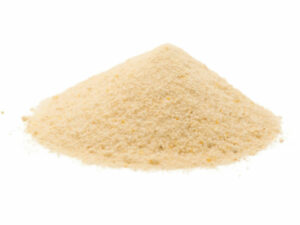
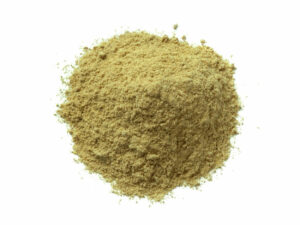
Lemon Pepper Seasoning typically has a fine texture, with granules of lemon zest and ground black pepper mixed evenly throughout. It may also contain other spices such as garlic powder, onion powder, and salt, contributing to its overall texture. The fine texture allows for even distribution when sprinkled on food, enhancing its visual appeal and flavor.
The color of Lemon Pepper Seasoning can vary depending on the specific blend and ingredients used. However, it often exhibits a vibrant yellow hue from the lemon zest, interspersed with black specks from the ground black pepper. This combination of colors adds visual interest to dishes and can enhance their presentation.
Lemon Pepper Seasoning typically contains minimal calories, fat, and carbohydrates, making it a low-calorie flavoring option. It may contribute small amounts of vitamins and minerals from the lemon zest, such as vitamin C and antioxidants. However, its nutritional value is primarily derived from its ability to enhance the taste of dishes rather than providing significant nutrients.
Lemon Pepper Seasoning generally has low moisture content, helping to preserve its shelf life and prevent clumping. While it does not contribute significantly to binding ingredients in recipes, its fine texture allows it to adhere well to foods, enhancing their flavor profile. It can be used as a dry rub or seasoning blend to coat meats, seafood, vegetables, and more.
The aroma of Lemon Pepper Seasoning is characterized by the fresh, citrusy scent of lemon zest combined with the warm, spicy aroma of black pepper. When used in cooking or sprinkled on food, it releases fragrant compounds that fill the air with a tantalizing aroma, enhancing the overall sensory experience of dishes.
Lemon Pepper Seasoning aims to strike a balance between the tartness of lemon and the spiciness of black pepper. The amount of each ingredient may vary depending on the specific blend and brand, but the goal is to achieve a harmonious blend of flavors that enhances the taste of dishes without overwhelming the palate.
Lemon Pepper Seasoning provides a contrast of flavors and sensations, with the tartness of lemon complementing the heat of black pepper. This contrast adds depth and complexity to dishes, balancing out other flavors and providing a dynamic taste experience.
Lemon Pepper Seasoning is commonly used in Western cuisines, particularly in the United States, where it has become a popular seasoning blend for a variety of dishes. It is often associated with grilled or roasted meats, seafood, vegetables, and salads, adding a bright and peppery flavor to these foods.
Lemon Pepper Seasoning is generally suitable for most dietary preferences, including vegetarian, vegan, gluten-free, and dairy-free diets. However, individuals with sensitivities to black pepper or citrus should exercise caution when consuming it.
Uses in manufacturing
Lemon Pepper Seasoning is often incorporated into the production of marinated and seasoned meats, such as chicken breasts, pork chops, and fish fillets. It can be used as a dry rub or mixed into marinades to infuse meats with its tangy and peppery flavor, adding depth and complexity to the final product.
Lemon Pepper Seasoning is used in the production of seasoned snack foods, such as potato chips, popcorn, and pretzels. It adds a zesty and aromatic flavor to these snacks, enticing consumers with its tangy and spicy taste profile.
Lemon Pepper Seasoning is a key ingredient in various seasoning blends used in food manufacturing. It is often combined with other spices, herbs, and flavorings to create versatile seasoning mixes for seasoning meats, vegetables, salads, and side dishes.
Lemon Pepper Seasoning is used in the production of salad dressings, sauces, and marinades to add a tangy and peppery flavor. It can be incorporated into vinaigrettes, creamy dressings, and dipping sauces to enhance their taste and aroma.
Lemon Pepper Seasoning is added to frozen and prepared foods such as frozen vegetables, pre-marinated meats, and ready-to-eat meals. It provides a convenient way to add flavor to these products, making them more appealing to consumers looking for quick and easy meal options.

Main producing countries and Harvest time.
Lemon Pepper Seasoning can be produced all-year-round.