



We don’t like junk emails either.
That’s why we only send the good stuff… short, smart, and worth the open.

Source86
Importer of specialty raw ingredients, finished products and anything in between
The brands we supply can be found nationwide at







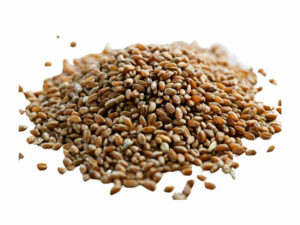
Millet flakes are a versatile and nutritious grain product derived from millet grains that have been steamed, rolled, and flattened into thin flakes. 🌾
Millet flakes are quick-cooking and versatile, suitable for use in breakfast cereals, granolas, muesli bars, baking mixes, and savory recipes like coatings for baked or fried foods!
In food manufacturing, the gel-like properties of cooked millet flakes can act as a binder or thickener in recipes for products such as veggie burgers, meat substitutes, or as a base for energy bars.
Get this ingredient in bulk quantities and customized pack sizes! 📦
Request for a Quote now to get started! 📨
Source86 is your number one supplier for premium bulk raw ingredients! ☝🏼
From sourcing to importing, our global team of trusty sourcerers is committed to getting you only the best ingredients in the market! 💯
Need a quote, more info, or a sample? Fill out the form below, and we’ll be happy to help.
Are you a vendor? Please contact us here.
| Scientific Name | Pennisetum glaucum |
|---|---|
| Origin Countries | India, Niger, China and Nigeria |
| Product Use | Breakfast products, pet food, meat substitute |






Millet flakes are made by first cleaning and steaming whole millet grains. These grains are then flattened through a rolling or flattening process, creating thin flakes. The flattened millet is then gently dried to remove moisture, preserving its texture and nutritional value.
Millet flakes have a mild, slightly sweet, and nutty flavor, similar to the taste of whole millet grains. They can adopt the flavors of added ingredients when cooked with seasonings or liquids.
Millet flakes have a relatively soft and delicate texture compared to whole millet grains. They are thinner and more delicate, offering a softer and smoother mouthfeel when cooked.
Millet flakes typically maintain a pale, creamy color after processing, resembling flattened grains.
Millet flakes retain the nutritional benefits of whole millet grains, containing essential nutrients such as magnesium, phosphorus, manganese, dietary fiber, and B-complex vitamins. They are also gluten-free, offering a suitable alternative for individuals with gluten sensitivities or celiac disease.
Millet flakes absorb moisture readily when cooked, expanding and becoming tender. This property makes them suitable for binding ingredients in dishes such as veggie burgers, meatloaf, or as a thickening agent in soups and stews.
Millet flakes have a subtle, earthy aroma that intensifies when cooked. They release a gentle fragrance that complements the overall dish, especially when seasoned or cooked with other ingredients.
Their mild flavor and soft texture make millet flakes adaptable to a wide range of dishes, maintaining a balanced taste profile that complements various culinary elements.
In cooking, millet flakes provide a smoother texture compared to whole grains. They add a contrasting softness to dishes when used alongside ingredients with different textures.
Millet, in its various forms including flakes, has been a dietary staple in many cultures across Asia, Africa, and parts of Europe for centuries. Its usage in regional cuisines varies, but it often plays a significant role in traditional dishes.
Millet flakes, like whole millet, are gluten-free, making them suitable for individuals with gluten allergies or sensitivities. Additionally, their nutritional profile makes them a beneficial addition to a balanced diet, providing essential nutrients and dietary fiber.
Millet flakes serve as a primary ingredient in breakfast cereals, providing a nutritious base for flakes or granola mixes. They offer a crunchy texture and mild, nutty flavor.
Food manufacturers incorporate millet flakes into baked goods such as bread, muffins, cookies, and bars. They add texture and nutritional value to these products, especially in gluten-free baking.
Millet flakes can be used in the production of snack bars, granola bars, or trail mixes, contributing to both texture and nutritional content.
They’re included in pre-packaged meals, particularly in grain-based bowls or mixes, where they serve as a nutritious component, offering a base for various toppings, sauces, and protein sources.
Millet flakes can be ground or crushed to create a coating for fried or baked foods, serving as a gluten-free alternative to breadcrumbs.
In vegetarian or vegan food manufacturing, millet flakes can be used as a base for meat substitutes, providing texture and binding properties in products like veggie burgers or meatballs.
They’re employed as a thickening agent in soups, stews, or sauces due to their ability to absorb liquids and create a thicker consistency.
Millet flakes can be incorporated into dessert recipes such as crisps, crumbles, or puddings, adding a unique texture and nutritional boost.
In pet food production, millet flakes may be used as an ingredient in certain formulations, offering a source of nutrition and texture in pet snacks or meals.

The main global producers of millet grain are India, Niger, China and Nigeria. In India, millet is typically grown during the Kharif season. Seed sowing takes place usually between May and September while harvest starts from September through February.