





Bulk Millet Flour
Introducing our premium-grade Millet Flour! 🌾
This versatile flour possesses a slightly sweet, nutty flavor profile and a fine texture, making it a valuable ingredient in various culinary applications.
Millet flour’s fine texture makes it suitable for baking applications, including bread, muffins, cookies, pancakes, and other baked goods, imparting a delicate nutty flavor to recipes.
Source86 Millet Flour is available in bulk quantities, in customized pack sizes 📦
Request for a Quote now to get started! 📨
Source86 is your number one supplier for premium bulk raw ingredients! ☝🏼
From sourcing to importing, our global team of trusty sourcerers is committed to getting you only the best ingredients in the market! 💯
Request More Information
Need a quote, more info, or a sample? Fill out the form below, and we’ll be happy to help.
Are you a vendor? Please contact us here.
Product Data
| Scientific Name | Pennisetum glaucum |
|---|---|
| Origin Countries | India, Niger, China and Nigeria |
| Product Use | Sauces and gravies, baby food, coatings and breading |








Production & Sourcing
Millet flour is produced by finely grinding cleaned and processed millet grains into a powder. The millet grains undergo milling, where they are ground into a fine texture suitable for various culinary applications. This finely ground millet powder constitutes millet flour, which is then sifted to achieve desired consistency
Applications
- Baked Goods
- Gluten-Free Flour Blends
- Soups and Stews
- Sauces and Gravies
- Coatings and Breading
- Gluten-Free Pasta and Noodles
- Snack Bars and Energy Bites
- Baby Food
- Ethnic and Regional Cuisines
- Vegan
- Vegetarian
Functionality
- Essential Minerals
- Dietary Fiber Enrichment
- Vitamin B Boost
- Antioxidant
- Gluten-Free
- Binding – Strong
- Thickening Agent
Benefits
Millet flour has a mildly sweet, nutty flavor with a hint of earthiness. Its taste is subtle and versatile, allowing it to complement both sweet and savory recipes.
Millet flour has a finer texture compared to some other gluten-free flours. It produces baked goods with a slightly gritty or crumbly texture, especially when used on its own. Blending it with other flours can improve its texture in baked goods.
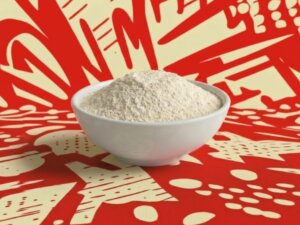
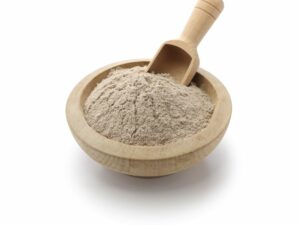
Millet flour usually ranges from a pale yellow to a light beige color, depending on the variety and milling process.
Millet flour retains the nutritional benefits of whole millet grains, offering essential nutrients like magnesium, phosphorus, manganese, dietary fiber, and B-complex vitamins. Being gluten-free, it’s an excellent alternative for individuals with gluten sensitivities or celiac disease.
Millet flour has moderate moisture absorption properties, aiding in binding ingredients in recipes. It might require additional binding agents or eggs in baking due to its lack of gluten, which provides structure in traditional wheat flour-based recipes.
Millet flour has a subtle, pleasant aroma with nutty undertones, especially when used in baking. Its aroma becomes more pronounced when baked or cooked.
Its mild flavor allows millet flour to balance well with other ingredients in recipes. When used in baking, it can enhance the overall flavor profile without overpowering other flavors.
In baked goods, millet flour can offer a slight textural contrast due to its finer texture, especially when combined with other flours like rice or sorghum.
Millet has historical and cultural significance in various regions globally, particularly in Africa and Asia, where it’s been a dietary staple for centuries. Millet flour is a fundamental ingredient in many traditional dishes from these regions.
Millet flour is gluten-free, making it suitable for those with gluten allergies or sensitivities. It’s also a valuable addition to gluten-free baking due to its nutritional content and versatility.
Uses in manufacturing
Millet flour is used in gluten-free baking to create bread, muffins, cakes, cookies, and other baked goods. It adds a mildly nutty flavor and nutritional value to these products.
Manufacturers create pre-made gluten-free baking mixes that include millet flour as a primary ingredient. These mixes cater to individuals with gluten sensitivities or those seeking gluten-free alternatives.
Millet flour serves as a thickening agent in sauces, gravies, soups, or stews due to its ability to bind and absorb liquid, helping achieve desired consistency.
It’s used as an ingredient in gluten-free breading or coating mixes for fried foods, offering a crunchy texture and adhering well to the surface of foods.
Millet flour can be used in gluten-free pasta and noodle manufacturing, contributing to the structure and texture of the final product.
In food manufacturing, millet flour might be used in gluten-free snack bars, crackers, or chips, adding nutritional value and a unique taste profile.
It’s incorporated into baby food formulations as a gluten-free and nutritious ingredient for various baby food products.
Manufacturers blend millet flour with other gluten-free flours like rice flour, sorghum flour, or tapioca starch to create custom gluten-free flour blends suitable for various baking needs.
Millet flour is used in manufacturing products that cater to specific ethnic cuisines where millet-based dishes are traditional, such as in African or Asian cuisine.

Main producing countries and Harvest time.
The main global producers of millet grain are India, Niger, China and Nigeria. In India, millet is typically grown during the Kharif season. Seed sowing takes place usually between May and September while harvest starts from September through February.