

We don’t like junk emails either.
That’s why we only send the good stuff… short, smart, and worth the open.

Source86
Importer of specialty raw ingredients, finished products and anything in between
The brands we supply can be found nationwide at







Need a quote, more info, or a sample? Fill out the form below, and we’ll be happy to help.
Are you a vendor? Please contact us here.
| Scientific Name | Brassica juncea |
|---|---|
| Origin Countries | India, Pakistan, Canada and Nepal. |
| Product Uses | Pickled products, mayonnaise and spreads, curry powders |









Harvesting: The first step involves harvesting mature black mustard plants when their seedpods have turned brown and dried. This indicates that the seeds are fully developed and ready for extraction.
Drying: The harvested seedpods are carefully dried to reduce their moisture content. This step is crucial for preventing mold growth and ensuring the seeds’ longevity.
Seed Extraction: Once the seedpods are sufficiently dried, they are gently crushed or threshed to release the small mustard seeds. These seeds are small and round, with a dark outer husk.
Cleaning: After extraction, the seeds are cleaned to remove any debris, chaff, or other impurities that may have been collected during the harvesting and extraction process.
Grinding: The cleaned black mustard seeds are then ground into a fine powder using industrial grinding equipment. This grinding process breaks down the seeds into small particles, creating the characteristic texture of ground mustard seeds.
Organic ground black mustard seeds have a bold, pungent, and spicy flavor. They are known for their intense heat and sharpness, often described as hot and slightly bitter. The flavor profile is more pronounced when compared to yellow mustard seeds, making them a popular choice for adding a strong kick to various dishes.
When ground, black mustard seeds create a fine powder with a slightly grainy texture. This texture contributes to their ability to blend well with other ingredients and enhance the overall mouthfeel of dishes.
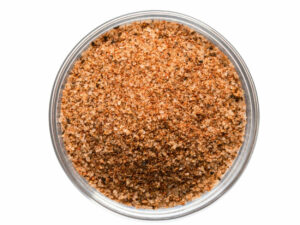
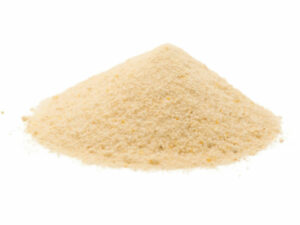
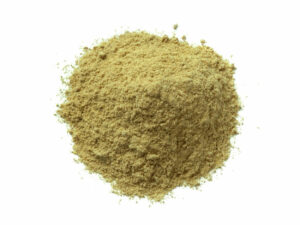
The color of organic ground black mustard seeds is deep brown to black, reflecting the dark outer husk of the seeds. This rich color adds visual interest to foods they are used in and can also impact the appearance of sauces, dressings, and marinades.
Organic ground black mustard seeds are a good source of essential nutrients. They contain dietary fiber, protein, healthy fats, and a variety of vitamins and minerals, including iron, magnesium, and selenium. Additionally, they contain compounds called glucosinolates, which have been associated with potential health benefits, such as antioxidant and anti-inflammatory properties.
Ground black mustard seeds have minimal moisture content, which can be advantageous when incorporating them into recipes. Their natural oils can act as a binding agent when combined with liquids, helping to create cohesive mixtures in sauces, condiments, and other culinary applications.
The aroma of organic ground black mustard seeds is pungent and robust. It’s characterized by a peppery spiciness with earthy undertones. The aromatic qualities of these seeds can have a significant impact on the overall sensory experience of dishes, enhancing their complexity.
Organic ground black mustard seeds are used in culinary applications to add depth and intensity to dishes. However, their potency means they should be used sparingly to maintain a balanced flavor profile. When used judiciously, they can create a harmonious balance of heat, bitterness, and complexity in various recipes.
The strong flavor of organic ground black mustard seeds can create contrast when paired with milder ingredients. This contrast enhances the overall flavor experience and can be particularly effective in recipes where a bold, zesty kick is desired.
Organic ground black mustard seeds have a long history of use in various cuisines around the world. They are commonly found in Indian, Middle Eastern, and African dishes, where their intense heat and flavor contribute to traditional curries, sauces, and condiments.
Due to their strong flavor, organic ground black mustard seeds are typically used in small amounts. People with a sensitivity to spicy or pungent flavors should exercise caution when using them in dishes. Additionally, individuals with mustard allergies should avoid consuming products that contain black mustard seeds or mustard-derived ingredients.
In food manufacturing, organic ground black mustard seeds are used as a versatile ingredient to enhance flavor, texture, and nutritional value in a variety of products. Here are some common ways organic ground black mustard seeds are used in food manufacturing:
Mustard seeds are a key ingredient in making mustard condiments. Organic ground black mustard seeds can be used to create various types of mustard, including Dijon, whole grain, and spicy brown mustards. The ground seeds are mixed with liquids, vinegar, and other seasonings to create the desired flavor and texture.
Ground black mustard seeds are often incorporated into salad dressings, vinaigrettes, and marinades to add depth and heat. Their bold flavor helps create complex and flavorful dressings that can elevate the taste of salads and marinated dishes.
Black mustard seed powder is a common ingredient in curry powders and spice blends used in Indian, Middle Eastern, and African cuisines. It contributes to the unique flavor profiles of these blends and adds a spicy kick to dishes.
Organic ground black mustard seeds can be added to bread, crackers, and baked goods to provide a slightly bitter and spicy flavor. They are often used in small quantities to add depth and complexity to the overall taste of the products.
Ground black mustard seeds are used in some processed meat products like sausages and deli meats to enhance the flavor and add a spicy element. They can also contribute to the preservation of these products due to their antimicrobial properties.
Food manufacturers sometimes use organic ground black mustard seeds as a natural flavor enhancer in various products, including snacks, chips, and savory snacks. The intense flavor of the mustard seeds can help create a memorable taste experience.
Organic ground black mustard seeds can be added to mayonnaise and spreads to create zesty and spicy versions of these products. They add complexity to the flavor profile and can be a standout feature in sandwiches and wraps.
Mustard seeds, including the black variety, are commonly used in pickling recipes to enhance the flavor and texture of pickled vegetables. The ground seeds can be used to create pickling brines that provide both flavor and preservation benefits.
Ground black mustard seeds can be used to create spicy dips and salsas that offer a bold and memorable taste. They can be mixed with yogurt, sour cream, or other bases to create a unique flavor profile.
Food manufacturers often use organic ground black mustard seeds to add an ethnic or fusion twist to their products. These seeds can contribute to the authenticity of certain regional cuisines or provide a novel flavor experience in creative food combinations.

The main producers of mustard seeds include India, Pakistan, Canada and Nepal.
The general harvest season for black mustard seeds varies depending on the climate and growing conditions of the region where they are cultivated. However, black mustard seeds are typically harvested when the seedpods have turned brown and dried on the plants. This usually occurs towards the end of the plant’s growing season, which is typically in late summer to early fall.