





Bulk Paprika – Hungarian
Request More Information
Need a quote, more info, or a sample? Fill out the form below, and we’ll be happy to help.
Are you a vendor? Please contact us here.
Product Data
| Scientific Name | Capsicum annuum |
|---|---|
| Origin Countries | Spain, Hungary, India and China |
| Product Use | Baked goods, snack production, soups and stews. |









Production & Sourcing
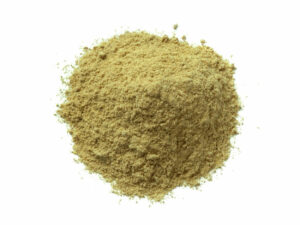
Hungarian paprika is made by drying and grinding specific varieties of Capsicum annuum peppers, commonly known as chili peppers or sweet peppers. The peppers are typically harvested when ripe and vibrant in color. They are then dried, traditionally in the sun or in specialized drying chambers, until they become brittle. Once dried, the peppers are ground into a fine powder, resulting in Hungarian paprika.
Applications
- Seasonings and Dry Blends
- Meat and Poultry Processing
- Snack Production
- Soups and Stews
- Condiments
- Sauces
- Baked Goods
- Ready-To-Eat Meals
- Vegan
- Vegetarian
Functionality
- Vitamin A Boost
- Vitamin C Boost
- Potassium Enrichment
- Essential Minerals
- Antioxidant
Benefits
Hungarian paprika offers a rich, sweet, and mildly pungent flavor profile with subtle notes of pepper and a hint of sweetness. The flavor intensity can vary depending on the variety and processing method, ranging from mild to hot, but it generally provides a deep and complex taste to dishes.
Hungarian paprika is typically ground to a fine powder, resulting in a smooth and velvety texture that blends easily into recipes without adding grittiness. It contributes to the overall mouthfeel of dishes without altering the texture significantly.
Hungarian paprika is renowned for its vibrant red hue, which adds visual appeal to dishes. The color intensity can range from bright red to deep crimson, depending on factors such as the type of peppers used and the level of processing.
Paprika is rich in vitamins and minerals, particularly vitamin C, vitamin A, potassium, and iron. It also contains antioxidants like beta-carotene and capsaicin, which may have various health benefits, including anti-inflammatory and antioxidant properties.
Paprika powder has low moisture content, making it suitable for use as a dry seasoning or spice rub. While it does not contribute to moisture or binding in recipes, it adds flavor and color to dishes without affecting their texture.
Hungarian paprika has a distinctively sweet and aromatic fragrance with subtle earthy undertones. The aroma enhances the overall sensory experience of dishes, enticing the palate with its rich and inviting scent.
Hungarian paprika offers a well-balanced combination of sweetness, mild heat, and earthy undertones, making it versatile for use in various culinary applications. Its flavor profile harmonizes with other ingredients, adding depth and complexity to dishes without overwhelming them.
Hungarian paprika can provide a pleasing contrast to milder ingredients in dishes, adding a pop of color and flavor. It can be used to enhance the taste of meats, vegetables, soups, stews, and sauces, creating a balanced and flavorful culinary experience.
Hungarian paprika holds significant cultural and regional influence, particularly in Hungarian cuisine, where it is a staple spice. It is used in traditional dishes such as goulash, paprikash, and various stews, imparting its characteristic flavor and color to these iconic dishes.
Hungarian paprika is generally considered safe for consumption for most people. However, individuals with sensitivity to capsicum or nightshade vegetables should use caution, as paprika is derived from peppers belonging to the nightshade family.
Uses in manufacturing
Hungarian paprika is a key ingredient in many spice blends and seasoning mixes used in food manufacturing. These blends may be used in marinades, rubs, sauces, dressings, and seasoning packets for convenience foods.
Hungarian paprika is often used in the production of processed meats such as sausages, hot dogs, deli meats, and meatloaf. It adds color, flavor, and aroma to the meat products, enhancing their overall taste profile.
Hungarian paprika can be incorporated into snack foods such as potato chips, popcorn, pretzels, and crackers to add flavor and color. It provides a unique and exotic twist to traditional snack products.
Hungarian paprika is commonly used in the production of soups, stews, and sauces to add depth of flavor and complexity. It imparts its characteristic sweet and mildly pungent taste to the dishes, enhancing their overall taste profile.
Hungarian paprika may be included in the production of condiments and sauces such as barbecue sauce, steak sauce, and marinades. It adds a rich and smoky flavor to the sauces, enhancing their taste and aroma.
Hungarian paprika can be incorporated into baked goods such as bread, rolls, and savory pastries to add flavor and color. It provides a subtle and exotic twist to traditional bakery products.
Hungarian paprika may be included in the production of ready-to-eat meals, frozen dinners, and packaged food products to season and flavor the dishes. It provides a convenient way to add depth and complexity to the meals without the need for additional spices or seasonings.

Main producing countries and Harvest time.
Spain, Hungary, India and China are among the main producing countries of paprika (both sweet and hot varieties).
In general, paprika peppers are typically harvested when they have fully matured and reached their desired color and flavor profile. The harvest season for paprika often falls between late summer and early fall, typically from August to October.