

We don’t like junk emails either.
That’s why we only send the good stuff… short, smart, and worth the open.

Source86
Importer of specialty raw ingredients, finished products and anything in between
The brands we supply can be found nationwide at







Need a quote, more info, or a sample? Fill out the form below, and we’ll be happy to help.
Are you a vendor? Please contact us here.
| Scientific Name | Capsicum annuum |
|---|---|
| Origin Countries | Spain, Hungary, India |
| Product Use | Processed meat manufacturing, dairy and non-dairy, spice blends |






Drying Peppers: Fresh sweet peppers are harvested and cleaned. They are then dried using methods like sun drying or low-temperature drying. This reduces their moisture content and prepares them for the smoking process.
Smoking: The dried peppers are placed in a smoker, which is a controlled environment where smoke is introduced. The peppers are exposed to smoke generated from wood chips or other aromatic materials. The smoke infuses the peppers with a rich smoky aroma and flavor.
Aging: In some traditional methods, smoked peppers are allowed to age for a period of time. This can further develop the smoky flavor and enhance the overall profile of the smoked paprika.
Grinding: The smoked and dried peppers are then ground into a fine powder using grinding equipment. This creates the characteristic texture of smoked paprika powder.
Smoked paprika, also known as pimentón, has a distinct smoky flavor that adds depth and complexity to dishes. The smokiness is achieved through the drying and smoking process, which imparts a rich, smoky aroma and taste.
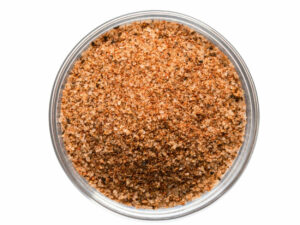
Smoked paprika has a fine and powdery texture similar to regular paprika. It blends smoothly into foods, creating a consistent texture without altering it significantly.
The color of smoked paprika can range from bright red to deep red-brown, depending on the variety and processing. Its vibrant color adds visual appeal to dishes.
Smoked paprika retains similar nutritional qualities to regular paprika. It contains antioxidants, vitamins, and minerals, with the added flavor enhancement from the smoking process.
Smoked paprika, like other paprika varieties, has low moisture content, which can contribute to its binding properties in various food formulations. It can enhance the texture and appearance of dishes.
The key feature of smoked paprika is its aromatic smokiness. When used in cooking, it releases a distinct and inviting smoky fragrance that adds an extra layer of flavor complexity.
Smoked paprika provides a well-balanced flavor profile that combines the sweetness of regular paprika with a smoky undertone. It complements both savory and mildly sweet dishes.
The smoky flavor of smoked paprika adds a unique contrast to dishes, creating a depth of flavor and a hint of outdoor cooking.
Smoked paprika is particularly associated with Spanish cuisine, where it’s known as pimentón. It’s a key ingredient in dishes like Spanish chorizo, paella, and various stews. However, its popularity has extended beyond Spain and is used in various international cuisines.
Smoked paprika is generally suitable for various dietary preferences and needs. It’s used as a seasoning and doesn’t typically pose significant dietary concerns. However, individuals with allergies or sensitivities to nightshade vegetables (such as peppers) should exercise caution.
In food manufacturing, smoked paprika is used to infuse dishes with its distinctive smoky flavor and vibrant color. Its versatile and robust profile makes it a popular ingredient for adding depth and complexity to a wide range of products. Here’s how smoked paprika is commonly used:
Smoked paprika is a key ingredient in the production of smoked and cured meats like sausages, chorizo, and smoked ham. It imparts an authentic smoky flavor to these products.
Smoked paprika is used to season snack products like chips, popcorn, and nuts, providing a savory and smoky element to the flavor profile.
It’s incorporated into sauces, dips, dressings, and condiments to add a distinctive smokiness. Smoked paprika contributes to the smoky flavor in barbecue sauces, marinades, and more.
Smoked paprika is an integral ingredient in Spanish and Mediterranean cuisines. It’s used in dishes like paella, Spanish tapas, and various stews to enhance flavor and aroma.
It can be added to bread, rolls, and baked goods to infuse them with a subtle smoky undertone, providing an unexpected twist to traditional bakery items.
Smoked paprika is used in ready-to-eat meals, frozen foods, and convenience products to add a smoky flavor that mimics the taste of outdoor cooking.
It’s included in spice blends and rubs used for grilling, roasting, and barbecuing. These blends add smokiness to meats, vegetables, and other dishes.
Smoked paprika is used in the formulation of plant-based products like veggie burgers, plant-based sausages, and vegan meats to provide a meaty and smoky flavor.
It can be added to cheese, spreads, and dairy alternatives like plant-based cheeses to create a smoky profile.
Smoked paprika is used as a natural flavor enhancer in various products, adding complexity and depth to the overall taste

Spain, Hungary, India and China are among the main producing countries for paprika (both sweet and hot varieties).
In general, paprika peppers are typically harvested when they have fully matured and reached their desired color and flavor profile. The harvest season for paprika often falls between late summer and early autumn, typically from August to October.