





Bulk Peppercorns Pink
Request More Information
Need a quote, more info, or a sample? Fill out the form below, and we’ll be happy to help.
Are you a vendor? Please contact us here.
Product Data
| Scientific Name | Schinus molle |
|---|---|
| Origin Countries | South America |
| Product Use | Cheeses and dairy, spice blends, condiments. |








Production & Sourcing
Pink peppercorns are made by harvesting the ripe berries of the Brazilian pepper tree (Schinus molle) or related species. These berries are not true peppercorns but are named for their similar appearance and flavor. Once harvested, the berries are typically dried to preserve them and enhance their flavor.
Applications
- Spice Blends
- Seasonings and Dry Blends
- Meat and Poultry Processing
- Snack Production
- Cheeses and Dairy
- Sauces and Condiments
- Baked Goods
- Ethnic and Regional Cuisines
- Vegan
- Vegetarian
Functionality
- Flavor Enhancement
- Essential Oils
- Antioxidant
- Vitamins and Minerals
Benefits
Pink peppercorns offer a delicate and fruity flavor profile with a subtle peppery heat. They are less pungent and spicy compared to black peppercorns, with hints of sweetness and floral notes. Their flavor is often described as citrusy, with a mild peppery bite.
Pink peppercorns have a slightly soft and chewy texture compared to traditional black peppercorns. They are not as hard and crunchy, offering a gentle pop of texture when bitten into. However, they are still firm enough to be ground into coarse or fine powder.
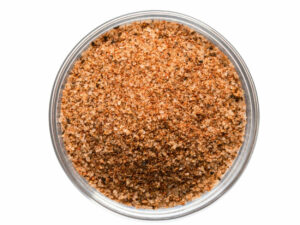
Pink peppercorns are light pink to reddish-pink in color, hence their name. They add a vibrant pop of color to dishes and spice blends, making them visually appealing as well as flavorful.
Pink peppercorns contain essential oils, antioxidants, and vitamins, including vitamin C. They also contain trace amounts of minerals like potassium and manganese. While they are not a significant source of nutrients, they add flavor and variety to dishes.
Pink peppercorns have low moisture content, making them suitable for grinding into powder or for use as a dry seasoning. While they do not contribute to moisture or binding in recipes, they add flavor and aroma to dishes without affecting their texture.
Pink peppercorns have a fragrant and aromatic profile with citrusy, floral, and spicy notes. The aroma is reminiscent of fresh berries, with hints of citrus zest and floral undertones. It adds depth and complexity to dishes, enhancing the overall sensory experience.
Pink peppercorns provide a balanced combination of fruity sweetness and peppery heat, making them versatile for use in various culinary applications. Their mild flavor profile harmonizes with other ingredients, adding depth and complexity without overpowering them.
Pink peppercorns can provide a unique contrast to savory dishes, adding a touch of sweetness and brightness. They pair well with meats, seafood, salads, and cheeses, creating a flavorful and visually appealing contrast in dishes.
Pink peppercorns are commonly used in French cuisine, where they are prized for their delicate flavor and vibrant color. They are often included in spice blends, sauces, and marinades, adding a distinctive touch to classic French dishes.
Pink peppercorns are generally safe for consumption for most people. However, individuals with nut allergies should use caution, as pink peppercorns are derived from the Brazilian pepper tree, which is related to cashews and pistachios.
Uses in manufacturing
Pink peppercorns are often included in spice blends and seasoning mixes used in food manufacturing. These blends may be used in marinades, rubs, sauces, dressings, and seasoning packets for convenience foods.
Pink peppercorns are frequently used in the production of processed meats such as sausages, deli meats, and cured meats. They add color, flavor, and texture to the meat products, enhancing their overall taste profile.
Pink peppercorns can be incorporated into snack foods such as crackers, nuts, and popcorn to add flavor and visual appeal. They provide a unique and exotic twist to traditional snack products, appealing to consumers looking for innovative and flavorful options.
Pink peppercorns are sometimes used in the production of cheese and dairy products such as cheese spreads, flavored butter, and cream cheese. They add a subtle and peppery flavor, enhancing the taste of the dairy products.
Pink peppercorns may be included in the production of condiments and sauces such as salad dressings, barbecue sauce, and marinades. They contribute a distinctive flavor and aroma, enhancing the taste and complexity of the sauces.
Pink peppercorns can be incorporated into baked goods such as bread, crackers, and pastries to add flavor and visual interest. They provide a subtle and peppery flavor, complementing the sweetness of the baked goods.
Pink peppercorns are commonly used in the production of ethnic foods such as French, Mediterranean, and Middle Eastern dishes. They are a key ingredient in traditional recipes such as sauces, marinades, and spice blends, adding a unique and exotic flavor to the dishes.

Main producing countries and Harvest time.
Pink Peppercorns are small berries harvested from the Schinus molle tree, native to South America. Pink peppercorns are typically harvested in late summer to early fall.