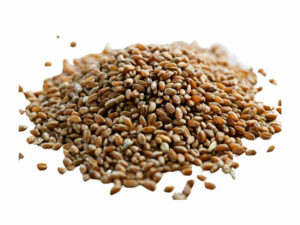






Bulk Raw Wheat Germ
Raw Wheat Germ is an excellent ingredient for fortifying cereals, granolas, and nutrition bars, adding essential nutrients and improving the overall nutritional profile of these products!
The subtle, nutty taste of Raw Wheat Germ can enhance the flavor profile of smoothies, shakes, and yogurt, and acts as a natural binder for meat and plant-based products.
Source86 Bulk Raw Wheat Germ is available in large quantities that meet your wholesale ingredient needs 📦
Request for a Quote now to get started! 📨
Source86 is your number one supplier for premium bulk raw ingredients! ☝🏼
From sourcing to importing, our global team of trusty sourcerers is committed to getting you only the best ingredients in the market! 💯
Request More Information
Need a quote, more info, or a sample? Fill out the form below, and we’ll be happy to help.
Are you a vendor? Please contact us here.
Product Data
| Scientific Name | Triticum |
|---|---|
| Origin Countries | China, India and Russia |
| Product Use | Bany food, smoothies and granola bars |








Production & Sourcing
Raw wheat germ is produced during the milling process of wheat grains into flour. The germ, which is the nutrient-rich embryo of the wheat kernel, is separated from the bran and endosperm. Once isolated, the wheat germ is cleaned to remove any impurities and may undergo minimal processing to ensure it retains its nutritional properties. The cleaned wheat germ is then packaged in its raw form without any roasting or further refinement, preserving its natural nutrients and making it ready for use in various food products.
Applications
- Baked Goods
- Breakfast Products
- Bars and Cereals
- Granola Bars
- Smoothies
- Nutritional Shakes
- Snack Bars and Energy Bites
- Salad and Side Dishes
- Savory Dishes
- Baby Food
- Vegan
- Vegetarian
Functionality
- Essential Minerals
- Essential Vitamins
- Dietary Fiber Enrichment
Benefits
Raw wheat germ has a mildly nutty and slightly sweet flavor. It provides a subtle, wholesome taste that can enhance the flavor profile of various dishes without overpowering them.
Wheat germ has a coarse, granular texture. It is somewhat soft yet slightly crunchy, making it a pleasant addition to foods both in terms of mouthfeel and consistency.
Raw wheat germ is typically light tan to golden brown in color. This natural hue is indicative of its unprocessed state and adds a visually appealing, earthy tone to foods.
Wheat germ is highly nutritious, rich in vitamins and minerals. It is an excellent source of vitamin E, folic acid, magnesium, thiamine, phosphorus, and zinc. Additionally, it is high in protein and dietary fiber, making it a beneficial addition to a balanced diet.
Wheat germ has a relatively low moisture content, which allows it to be stored for extended periods without spoiling. It doesn’t have significant binding properties on its own but can absorb some moisture, which helps in retaining the texture and structure of baked goods.
Raw wheat germ has a mild, pleasant aroma that is slightly nutty and reminiscent of whole grains. This aroma becomes more pronounced when the wheat germ is toasted.
Wheat germ balances well with both sweet and savory dishes due to its mild flavor and rich nutritional profile. It can be easily incorporated into a variety of recipes, adding nutritional benefits without drastically altering the overall taste.
The slightly crunchy texture of wheat germ provides a pleasant contrast when mixed with softer foods like yogurt, smoothies, or baked goods. Its subtle flavor also contrasts well with more dominant flavors, enhancing the complexity of dishes.
Wheat germ is commonly used in Western cuisines, particularly in health-conscious and whole-food diets. It is often included in breakfast cereals, granola, and baked goods. Its use reflects a growing trend towards incorporating nutrient-dense, natural ingredients in everyday foods.
Raw wheat germ is suitable for most diets, except for those with gluten intolerance or celiac disease, as it contains gluten. Its high fiber content makes it beneficial for digestive health, and its rich nutritional profile supports overall well-being. It is also a good option for vegetarians and can contribute to a balanced diet when included regularly
Uses in manufacturing
Raw wheat germ is frequently added to breakfast cereals and granolas. Its nutty flavor and high nutritional content make it an excellent component for boosting the health benefits of these morning staples.
Raw wheat germ is often incorporated into bread, muffins, cookies, and other baked goods. It adds a slight crunch and nutty flavor, along with increasing the fiber, vitamin, and mineral content of these products.
Raw wheat germ can be blended into smoothies, protein shakes, and other beverages. It enhances the nutritional value, providing a convenient way to increase daily intake of vitamins and minerals.
It is used as a topping for yogurt, cottage cheese, and other dairy products. This addition not only boosts the nutritional value but also adds texture and a pleasant, mild flavor.
Raw wheat germ is a popular ingredient in energy bars, snack bars, and other health-focused snack products. Its high protein and fiber content make these snacks more filling and nutritious.
Raw wheat germ can be sprinkled over salads or mixed into savory dishes like casseroles and grain bowls. This usage enhances both the nutritional profile and the texture of the dishes.
Due to its high nutritional value, raw wheat germ is sometimes added to baby foods and toddler snacks to help meet the nutritional needs of growing children.

Main producing countries and Harvest time.
China, India and Russia are the world’s main producing countries of wheat.