


We don’t like junk emails either.
That’s why we only send the good stuff… short, smart, and worth the open.

Source86
Importer of specialty raw ingredients, finished products and anything in between
The brands we supply can be found nationwide at







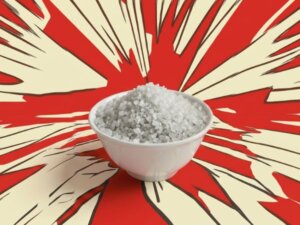
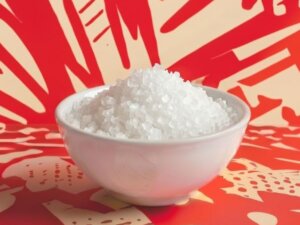
Seasoned Salt is a meticulously crafted blend of premium salt infused with a harmonious combination of savory herbs, aromatic spices, and flavorful seasonings!
Its rich and complex profile enhances the natural flavors of ingredients, adding depth and dimension to various recipes, including meats, poultry, seafood, vegetables, and grains.
Source86 Seasoned Salt is available in bulk quantities and custom pack sizes 📦
Request for a Quote now to get started! 📨
Source86 is your number one supplier for premium bulk raw ingredients! ☝🏼
From sourcing to importing, our global team of trusty sourcerers is committed to getting you only the best ingredients in the market! 💯
Need a quote, more info, or a sample? Fill out the form below, and we’ll be happy to help.
Are you a vendor? Please contact us here.
| Product Use | Processed food, rice and grain dishes, sauces. |
|---|









Seasoned salt is made by blending salt with a variety of herbs, spices, and other flavorings. Common ingredients include paprika, garlic powder, onion powder, black pepper, celery seed, and sometimes additional herbs like thyme or oregano. The ingredients are combined in precise proportions to achieve a balanced flavor profile. The mixture is thoroughly mixed to ensure even distribution of the seasonings throughout the
Seasoned salt typically has a savory and slightly salty flavor with additional notes of herbs, spices, and sometimes umami-rich ingredients like garlic or onion powder. The exact flavor profile can vary depending on the specific blend of seasonings used, but it often includes ingredients like paprika, celery salt, black pepper, and other herbs and spices.
The texture of seasoned salt is usually fine and granular, similar to regular table salt. However, it may contain small particles of herbs and spices, adding a slight textural complexity to dishes.
Seasoned salt typically has a light beige to orange color, depending on the specific ingredients used in the seasoning blend. Paprika and other spices may contribute to its coloration.
Seasoned salt primarily provides sodium, which is essential for various bodily functions but should be consumed in moderation. It may also contain small amounts of other nutrients depending on the specific ingredients used, such as vitamins and minerals from herbs and spices.
Seasoned salt is typically dry and free-flowing, with no added moisture. It does not contribute to binding in recipes but can adhere to food surfaces due to its fine texture.
Seasoned salt has a fragrant aroma due to the combination of herbs and spices used in its formulation. Common aromatics include garlic, onion, paprika, celery seed, and other dried herbs and spices.
The balance of seasoned salt is crucial to its flavor profile. It should have a harmonious blend of salty, savory, and aromatic elements, with no single flavor dominating the palate. Achieving the right balance ensures that seasoned salt enhances the taste of dishes without overpowering them.
Seasoned salt provides a contrast to dishes by adding depth of flavor and complexity. Its savory and aromatic components complement a wide range of foods, from meats and vegetables to snacks and side dishes.
Seasoned salt is a versatile seasoning blend used in various cuisines around the world. While its exact ingredients and proportions may vary depending on cultural preferences and regional influences, seasoned salt is widely embraced as a convenient way to add flavor to dishes.
Seasoned salt may contain allergens such as garlic or onion, so individuals with food sensitivities should check the label carefully. Additionally, those watching their sodium intake should use seasoned salt sparingly, as it contributes to daily sodium consumption.
Seasoned salt is incorporated into various processed foods such as snacks, chips, crackers, and processed meats to add flavor and depth. It can be used as a seasoning in breading or coatings for fried products like chicken tenders or onion rings.
Seasoned salt is sprinkled or mixed into snack foods like popcorn, pretzels, and nuts to provide a savory flavor profile. It adds a savory kick and enhances the overall taste experience of these snacks.
Seasoned salt is used in the preparation of ready-to-eat meals such as frozen dinners, soups, and sauces to add flavor and complexity. It can be included in seasoning blends or added directly to the cooking process to impart a savory taste.
Seasoned salt can be incorporated into condiments and sauces such as barbecue sauce, salad dressing, and marinades to enhance flavor. It adds depth and richness to these products and helps create a well-balanced taste profile.
Seasoned salt is used in the production of flavoring mixes for various food products such as flavored rice, pasta, and stuffing mixes. It serves as a convenient way to add flavor to these products and create a consistent taste experience for consumers.
Seasoned salt can be added to bakery products such as bread, rolls, and savory pastries to enhance flavor. It can be mixed into doughs or sprinkled on top of baked goods before baking to add a savory element.
Seasoned salt is commonly used as a seasoning for meat and poultry products such as burgers, sausages, and seasoned meats. It adds flavor and enhances the overall taste profile of these products.

Seasoned salt can be produced all throughout the year.