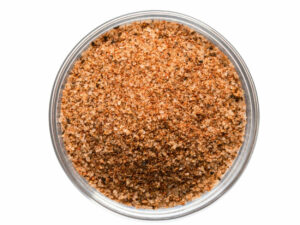






Bulk Spanish Saffron
Request More Information
Need a quote, more info, or a sample? Fill out the form below, and we’ll be happy to help.
Are you a vendor? Please contact us here.
Product Data
| Scientific Name | Crocus sativus |
|---|---|
| Origin Countries | Iran, India and Spain |
| Product Use | Pasta and noodles, packaged products, soups and stews. |










Production & Sourcing
Spanish saffron is painstakingly cultivated from the Crocus sativus flower, commonly known as the saffron crocus. The process begins with the careful harvesting of the delicate stigma threads from the flowers by hand. These threads, known as saffron threads, are then carefully dried to preserve their flavor and color. Once dried, the saffron threads are meticulously sorted to remove any impurities and ensure uniformity in quality.
Applications
- Soups and Stews
- Sauces and Marinades
- Condiments
- Rice and Grain Dishes
- Pasta and Noodles
- Baked Goods
- Desserts
- Beverages – Wet
- Seasonings and Dry Blends
- Ready-To-Eat Meals
- Packages Products
- Vegan
- Vegetarian
Functionality
- Color and Appearance Enhancement
- Flavor Enhancement
- Vitamins and Minerals
Benefits
Spanish saffron imparts a distinctive, earthy flavor with floral and slightly bitter notes. Its flavor is intense and aromatic, adding depth and complexity to dishes. It is often described as slightly sweet with hints of honey and hay.
Spanish saffron consists of delicate threads that have a slightly brittle texture. When crushed or infused in liquid, the threads release their flavor and color, imparting richness to the dish while maintaining a subtle texture.
Spanish saffron is known for its vibrant crimson-red color, which infuses dishes with a golden hue when steeped in liquid. Its vivid coloration adds visual appeal to culinary creations, making it a prized ingredient in both savory and sweet dishes.
While saffron is primarily used as a flavoring agent and coloring agent in cooking, it contains some nutrients, including vitamins and minerals such as vitamin C, potassium, and manganese. However, it is typically used in small quantities, so its nutritional contribution to dishes is minimal.
Spanish saffron threads are low in moisture and do not contribute significantly to binding ingredients in recipes. However, when steeped in liquid, saffron releases its aromatic compounds and can enhance the overall moisture content of dishes.
Spanish saffron is prized for its intense aroma, which is often described as floral, honey-like, and slightly musky. Its aromatic profile adds depth and complexity to dishes, elevating the sensory experience of those who consume them.
Spanish saffron provides a balanced flavor profile, with its earthy, floral notes complementing a wide range of ingredients and cuisines. When used judiciously, it can enhance the overall balance of flavors in dishes, adding depth without overpowering other ingredients.
The vibrant red color of Spanish saffron provides striking contrast when infused into dishes, especially those with lighter-colored ingredients. Its intense coloration highlights the visual appeal of culinary creations, making them more enticing to the eye.
Spain has a rich culinary tradition that incorporates saffron into many traditional dishes, such as paella, arroz con pollo, and various stews and soups. Spanish saffron is renowned worldwide for its quality and flavor, and its use reflects the cultural heritage and culinary expertise of the region.
While Spanish saffron is generally safe for consumption, some individuals may have allergies or sensitivities to saffron.
Uses in manufacturing
Spanish saffron is prized for its intense flavor and aromatic qualities, making it a popular ingredient in various food products. It is commonly used to flavor sauces, soups, stews, marinades, and condiments, adding depth and complexity to the final products.
The vibrant red color of Spanish saffron makes it a valuable natural coloring agent in food manufacturing. It is often used to impart a rich golden hue to dishes such as rice, pasta, bread, desserts, and beverages, enhancing their visual appeal.
Spanish saffron is frequently incorporated into seasoning blends and spice mixes for convenience foods and packaged products. These blends may include saffron along with other herbs and spices to create distinctive flavor profiles tailored to specific cuisines or consumer preferences.
Spanish saffron is used in the production of various specialty food items, including gourmet sauces, condiments, snacks, and ready-to-eat meals. Its premium quality and distinctive flavor make it a desirable ingredient for upscale and artisanal food products.
Spanish saffron is sometimes used to flavor and color beverages such as teas, cocktails, and liqueurs. Its unique flavor profile adds complexity to the beverages, while its vibrant color enhances their visual appeal.
Spanish saffron may be used in the production of packaged foods such as instant rice, flavored couscous, and meal kits. Its inclusion in these products allows consumers to enjoy the flavor and color benefits of saffron conveniently.

Main producing countries and Harvest time.
Iran, India and Spain are among the world’s main producing countries of saffron. In Iran, saffron is harvested starting November.