

We don’t like junk emails either.
That’s why we only send the good stuff… short, smart, and worth the open.

Source86
Importer of specialty raw ingredients, finished products and anything in between
The brands we supply can be found nationwide at







Add the flavors of the Mediterranean and the Middle East to your finished food products with Source86 Ground Sumac!
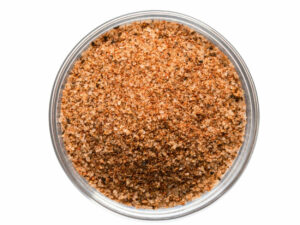
Ground Sumac is made by grinding dried sumac berries into a fine powder, resulting in a deep red spice with a tart, citrusy flavor profile. Its bright red hue adds a pop of color to dishes, making them visually appealing and appetizing. Whether you’re seasoning meats, salads, dips, or grains, a sprinkle of Ground Sumac certainly adds a burst of flavor!
Source86 Bulk Ground Sumac is available in large quantities and custom pack sizes 📦
Request for a Quote now to get started! 📨
Source86 is your number one supplier for premium bulk raw ingredients! ☝🏼
From sourcing to importing, our global team of trusty sourcerers is committed to getting you only the best ingredients in the market! 💯
If what you need is a Retail-Ready Spices solution, this is for you!
Need a quote, more info, or a sample? Fill out the form below, and we’ll be happy to help.
Are you a vendor? Please contact us here.
| Scientific Name | Rhus coriaria |
|---|---|
| Origin Countries | Mediterranean and Middle East regions |
| Product Use | Seasonings, marinades, packaged products |









Ground sumac is made by harvesting the berries of the sumac plant, typically Rhus coriaria, when they reach full maturity. The berries are then dried and ground into a fine powder, resulting in ground sumac. This process may involve removing the seeds and stems before grinding to ensure purity and consistency in the final product.
Ground sumac boasts a tangy, tart flavor profile with subtle hints of citrus and fruity notes. It adds brightness and acidity to dishes, reminiscent of lemon or vinegar, without the sourness. The flavor is both refreshing and distinctive, making it a versatile spice in various cuisines.
Ground sumac typically has a fine texture similar to that of coarse sand or finely ground pepper. While it adds flavor to dishes, it doesn’t significantly alter the texture, making it suitable for a wide range of culinary applications.
Ground sumac is known for its deep red hue, which comes from the dried and ground berries of the sumac plant. The vibrant color adds visual appeal to dishes and can be used as a natural food coloring agent.
Sumac is rich in antioxidants, particularly flavonoids like quercetin and gallic acid, which have anti-inflammatory and antimicrobial properties. It also contains vitamins A, C, and K, as well as minerals like potassium and calcium. However, since it’s typically used in small quantities, its nutritional contribution to dishes is relatively minor.
Ground sumac is low in moisture and does not contribute significantly to binding ingredients in recipes. However, its tart flavor can enhance the overall moisture content of dishes, particularly when used in marinades or dressings.
Ground sumac has a subtle yet distinct aroma, characterized by its citrusy and fruity notes. The aromatic qualities of sumac add depth and complexity to dishes, enhancing the overall sensory experience.
Ground sumac provides a balanced acidity to dishes, complementing other flavors without overpowering them. Its tangy flavor helps to balance rich or fatty foods, adding brightness and depth to the overall flavor profile.
The deep red color of ground sumac creates striking contrast when sprinkled on light-colored dishes, such as salads, dips, or grilled meats. Its vibrant hue adds visual interest and enhances the presentation of culinary creations.
Sumac is widely used in Middle Eastern, Mediterranean, and North African cuisines, where it is a staple spice in dishes such as salads, marinades, dips, and grilled meats. Its use reflects the cultural and culinary traditions of these regions, where sumac has been prized for its flavor and medicinal properties for centuries.
Ground sumac is generally safe for consumption and is suitable for various dietary preferences, including vegetarian, vegan, gluten-free, and dairy-free diets. However, individuals with specific dietary restrictions or allergies should always check ingredient labels to ensure that ground sumac does not contain any potential allergens or additives.
Ground sumac is often incorporated into seasoning blends and spice mixes for convenience foods, snacks, and packaged products. These blends may include sumac along with other spices and herbs to create distinctive flavor profiles tailored to specific cuisines or consumer preferences.
Ground sumac is prized for its tangy, citrusy flavor profile, making it a popular ingredient in various food products. It is commonly used to season meats, poultry, fish, and vegetables, as well as in marinades, dressings, sauces, and dips, adding brightness and depth to the final products.
The deep red hue of ground sumac makes it a valuable natural coloring agent in food manufacturing. It is often used to enhance the color of sauces, spreads, condiments, and other food products, creating visual appeal and distinguishing them in the market.
Ground sumac is sometimes incorporated into health foods and functional foods due to its antioxidant properties. It may be added to snacks, beverages, supplements, and other products to provide health benefits and appeal to health-conscious consumers.
Ground sumac is a staple spice in Middle Eastern, Mediterranean, and North African cuisines, where it is used in a wide range of traditional dishes. In food manufacturing, sumac may be included in packaged foods that cater to these culinary traditions, such as hummus, falafel mixes, spice blends, and specialty snacks.
Ground sumac can be used to flavor and season bakery items, such as bread, crackers, and savory pastries. It adds a unique tanginess and depth of flavor to these products, enhancing their taste and appeal to consumers.

Sumac is generally grown in the Mediterranean and Middle East regions. Sumac berries are usually harvested in the late summer to early fall.