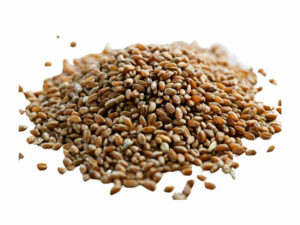






Bulk Wild Rice
Embrace the wild side with Source86 Bulk Wild Rice! 🌾 Often referred to as the “caviar of grains”, Wild Rice has a distinct, nutty flavor, chewy texture and impressive nutritional profile! It is a rich source of protein that’s used in plant-based food products, and can be blended with other grains to create nutritious and flavorful multigrain products, ideal for cereals, bread, and snack bars. Source86 Bulk Wild Rice is available in large quantities and custom pack sizes that fit your wholesale ingredient needs 📦 Request for a Quote now to get started! 📨 Source86 is your number one supplier for premium bulk raw ingredients! ☝🏼 From sourcing to importing, our global team of trusty sourcerers is committed to getting you only the best ingredients in the market! 💯
Request More Information
Need a quote, more info, or a sample? Fill out the form below, and we’ll be happy to help.
Are you a vendor? Please contact us here.
Product Data
| Scientific Name | Zizania palustris. |
|---|---|
| Origin Countries | North America |
| Product Use | Stuffing mixes, salad and side dishes, soups and stews. |









Production & Sourcing
After harvesting, the wild rice grains are dried and parched to remove the outer husk. Parching involves heating the grains, which not only dries them but also enhances their flavor. The grains are then threshed to separate the inedible chaff from the rice, and further cleaned to ensure purity.
Applications
- Rice and Grain Dishes
- Ready-To-Eat Meals
- Soups
- Stews
- Salad and Side Dishes
- Stuffing Mixes
- Baked Goods
- Snack Production
- Vegan
- Vegetarian
Functionality
- Plant-Based Protein
- Dietary Fiber Enrichment
- Gluten-Free
- Essential Minerals
- Essential Vitamins
Benefits
Wild rice has a distinctive, robust flavor that is often described as nutty and earthy with a slightly smoky undertone. Its unique taste sets it apart from other rice varieties and adds depth to dishes.
Wild rice has a firm and chewy texture, which remains even after cooking. This al dente quality provides a satisfying bite and adds a substantial, hearty element to meals.
Wild rice is dark brown to black in color, with a glossy appearance. When cooked, the grains split open to reveal a light beige interior, creating an appealing visual contrast.
Wild rice is highly nutritious, offering a good source of protein, dietary fiber, and essential minerals such as magnesium, phosphorus, zinc, and manganese. It is lower in calories and carbohydrates compared to white rice and provides a range of vitamins, including B vitamins.
Wild rice has a lower starch content compared to other rice varieties, which means it does not become sticky when cooked. Its ability to absorb water is moderate, allowing it to retain its shape and texture in dishes without binding together.
Wild rice has a mild, nutty aroma with a hint of smokiness. The aroma intensifies during cooking, adding an inviting fragrance to dishes that feature this grain.
Wild rice balances well with a variety of ingredients, including vegetables, meats, and other grains. Its nutty flavor complements both savory and sweet elements, making it versatile in a range of culinary applications.
The firm, chewy texture of wild rice provides a pleasant contrast to softer ingredients like roasted vegetables, tender meats, or creamy components in a dish. Its dark color also contrasts visually with lighter ingredients, enhancing the overall presentation.
Wild rice has significant cultural and regional importance, particularly in North America. It is traditionally harvested and consumed by Native American tribes in the Great Lakes region and is a staple in various indigenous dishes. Its use has spread globally, becoming a valued ingredient in gourmet and health-conscious cuisines.
Wild rice is gluten-free, making it suitable for individuals with celiac disease or gluten sensitivity. Its high protein and fiber content make it a good choice for vegetarians, vegans, and those looking to increase their intake of plant-based proteins. Additionally, it is a whole grain, contributing to a balanced and nutritious diet.
Uses in manufacturing
Wild rice is often combined with other rice varieties and grains to create mixed grain products. These blends are popular for their diverse textures and flavors and are used in ready-to-cook grain blends and side dishes.
Wild rice is included in pre-packaged meals and microwaveable bowls. Its hearty texture and rich flavor make it an appealing component in these convenient meal options.
Wild rice is added to soups and stews, where it retains its firmness and provides a nutty, earthy flavor. It is commonly found in canned and frozen soups, adding both nutritional value and texture.
Wild rice is a key ingredient in grain-based salads. It is often mixed with vegetables, fruits, nuts, and dressings to create nutritious and visually appealing salads. These are available in ready-to-eat formats in grocery stores.
Wild rice is used in stuffing mixes for poultry, game, and vegetables. Its unique flavor enhances traditional stuffing recipes and provides a gourmet touch.
Wild rice is prepared and packaged as a stand-alone side dish. These products may be seasoned or combined with other ingredients to create flavorful side dish options.
Wild rice is occasionally included in baked goods, such as bread and muffins, to add texture and nutritional benefits. These specialty products cater to health-conscious consumers looking for whole grain options.
Wild rice is sometimes used in snack foods, such as crackers and snack mixes, where its unique texture and flavor can add a distinctive twist to traditional snack items.

Main producing countries and Harvest time.
Wild rice is harvested from aquatic grass species found in lakes and rivers in North America.