- Date Issued: June 25, 2025
- Announced By: USDA’s FSIS on June 25, 2025
- Company: Starway International Group, LLC (Maspeth, NY)
- Product: Frozen Siluriformes fish sausage and fish ball products
- Issue: Imported from an ineligible Vietnamese facility; lacks USDA inspection mark
- Details: Products include various smoked and fried fish sausages and balls
- Action: Do not consume; discard or return to store
- Read On: Curious how this affects the industry and your supply chain? Let’s dive in.
What Happened?
On June 25, 2025, Starway International Group, LLC expanded its initial recall of frozen Siluriformes products, after the USDA discovered even more items slipped into U.S. commerce without the proper inspection credentials. The offending items, including fish sausages and fish balls, originated from a Vietnamese facility not approved to export Siluriformes (like catfish) into the United States.
The recall now includes over 15,980 additional pounds of product, adding to the initial alert from June 12. This time, two types of fish sausages joined the recall party.
Here’s a breakdown of the affected items:
Brand | Product | Size | UPC/Item Number | Best By Date | Issue |
Starway | Xúc Xích Cá Fish Sausage | 500g | 81142104 | Any | Imported from ineligible facility |
Starway | Xúc Xích Cá Xong Khoi Smoked Fish Sausage | 500g | 81142106 | Any | Same as above |
Starway | White Fish Balls | 16 oz / 2 kg | 81142103 / 81142102 | Any | Same as above |
Starway | Fried Fish Balls | 16 oz / 2 kg | 81142101 / 81142100 | Any | Same as above |
What Caused the Issue?
The root of the problem? These products were imported from a Vietnamese facility not authorized by the USDA to ship Siluriformes into the U.S. Without that approval, the products also lacked the USDA mark of inspection, which is required by federal law for meat and fish products entering the country.
Why the USDA Inspection Mark Matters
Products without the USDA inspection mark have not been verified for:
- Proper handling and processing standards
- Safety procedures and contamination control
- Temperature controls during transport
- Correct product labeling
This makes them unfit for sale or consumption in the U.S., even if they appear perfectly fine on the surface. Imported foods that bypass USDA inspection are at greater risk for contamination with bacteria like Listeria, Salmonella, or Clostridium perfringens, as well as mislabeling allergens or ingredients.
Who’s at Risk?
While no illnesses have been reported, eating uninspected or contaminated fish products can be dangerous for:
- Infants and toddlers
- Pregnant individuals
- Older adults
- People with weakened immune systems or chronic illnesses
Symptoms to Watch For
If contaminated, symptoms may include:
- Nausea
- Vomiting
- Diarrhea
- Fever
- Abdominal cramps
- Fatigue or dizziness in severe cases
If you experience any of these symptoms after eating the recalled products, seek medical help immediately.
10 Common Questions You Might Have
1. How do I know if my product is part of the recall?
Check the product label for the item number listed in the recall chart above. Also, look for the absence of a USDA inspection mark.
2. What does a USDA inspection mark look like?
It’s a round seal with “U.S. INSPECTED AND PASSED BY DEPARTMENT OF AGRICULTURE.” If your product doesn’t have it, that’s a red flag.
3. What happens if I already ate the product?
If you feel fine, there’s no immediate cause for alarm. But monitor for symptoms and contact a healthcare provider if you feel unwell.
4. Why was this product even allowed into the country?
It wasn’t. It entered commerce in error, which is why the recall was issued. The USDA is conducting effectiveness checks to track and remove it.
5. Are there any confirmed illnesses?
No illnesses have been reported as of now.
6. Can I return the product to the store?
Yes, most retailers will allow a return or offer a refund. You can also safely discard the product.
7. I bought mine weeks ago. Is it still affected?
Yes. The recall includes all expiration dates for these products.
8. What should retailers do?
Retailers should stop selling the product immediately and notify customers who may have purchased it.
9. Is it safe to freeze these kinds of fish products?
Yes, but only if they’ve been inspected and approved. In this case, even frozen, they are not considered safe.
10. Where can I report a problem or ask more questions?
You can contact Starway International Group at 718-417-1888 or the USDA Meat and Poultry Hotline at 888-674-6854.
Here’s What You Should Do

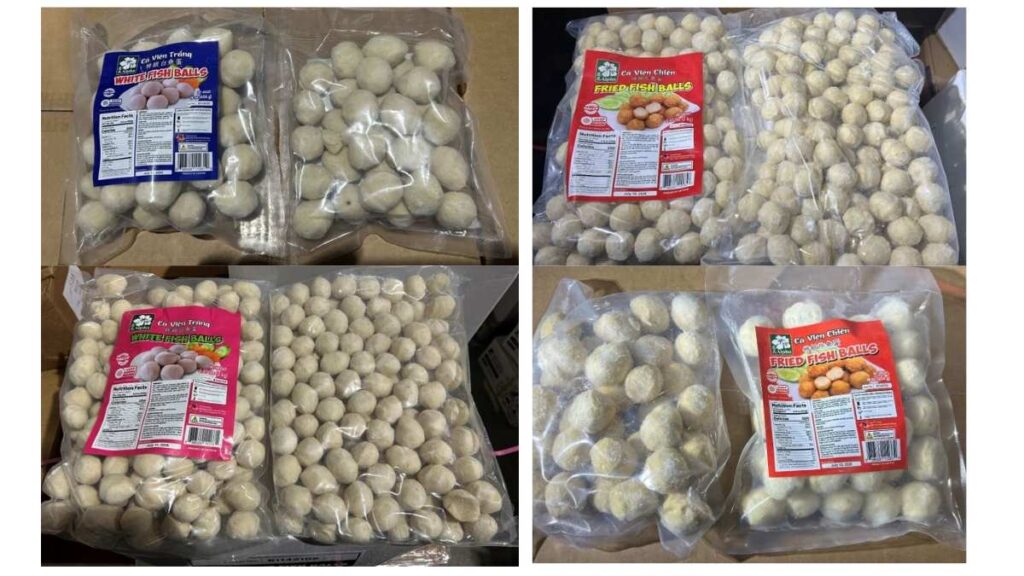
Not sure if you’ve got some rogue fish in your freezer? Here’s how to spot them and take action:
- Check the label: Look for item numbers listed above. If it matches, it’s part of the recall.
- No USDA inspection mark? That’s a big giveaway.
- Don’t eat it. Just don’t. Either toss it or return it to the retailer.
- Have questions? Call Starway International’s God Fong Lee at 718-417-1888 or reach out to the USDA hotline at 888-MPHotline (674-6854).
Behind the Brand
Starway International Group, LLC isn’t new to frozen seafood, but this isn’t their first misstep this month. Their June 12, 2025 recall covered a similar batch of fish balls that also bypassed proper channels.
This latest development shows just how slippery the seafood supply chain can get when oversight falls through the cracks.
And they’re not alone—recent weeks have also seen food-related recalls:
- On June 21, 2025, the USDA’s FSIS issued a public health alert after finding meat sauce products sold without the benefit of federal inspection.
- On June 13, 2025, King Tallow LLC recalled 353 pounds of beef tallow products because the items had been produced, packaged, and labeled without the benefit of federal inspection.
- On June 3, 2025, Sulu Organics LLC issued a recall of 6,166 pounds of pork lard and beef tallow products due to lack of federal inspection.
- On May 17, 2025, Snack Mania Brazilian Delights Corp. recalled approximately 9,722 pounds of frozen ready-to-eat chicken coxinhas. Why? They skipped a pretty important step—federal inspection.
- On May 16, 2025, Fijian Import & Export Co. Inc. recalled approximately 127 pounds of imported FOUR ‘N TWENTY Traveller Philly Cheesesteak Pastries because of failure to present the meat pies to the USDA’s FSIS for mandatory import reinspection.
“Skipping inspection isn’t just a rule-break—it’s a breach of consumer trust. Food safety is a responsibility, not a choice, and the entire supply chain depends on it.” Eran Mizrahi, CEO of Source86.
Ensuring Safe Eats
This recall sends a sharp reminder: Regulatory compliance isn’t optional—it’s the backbone of food safety. When companies cut corners, they don’t just risk legal consequences; they jeopardize consumer trust and the integrity of the supply chain.
For importers, bulk suppliers, and private label brands, this situation underlines the importance of:
- Supplier verification and due diligence
- Accurate product sourcing from approved facilities
- Traceability systems that can respond quickly in case of a recall
So, if you’re sourcing bulk Siluriformes—or anything, really—make sure it’s up to code. And if you’ve got these products? Say goodbye. Discard or return them immediately.
Want help navigating supplier safety and product sourcing? Talk to our team at Source86 for reliable, high-quality ingredients with full traceability.