Not all food recalls happen because something is added that shouldn’t be there. Sometimes, it’s about what’s missing on the label. Undeclared allergens remain one of the top causes of recalls in the U.S. each year, and many brands still struggle to define exactly what qualifies as one. This article breaks down what the FDA considers an undeclared allergen, how they happen, and why even trace amounts can be enough to pull products off shelves. If you’re producing, packaging, or labeling food, here’s what you need to know.
What Is an Undeclared Allergen?
By FDA definition, an undeclared allergen is any major food allergen that is present in a product but not listed on the ingredient label or allergen advisory statement. This includes both intentional ingredients (e.g., milk or wheat used in a formulation) and unintentional ones (e.g., trace amounts due to cross-contact).
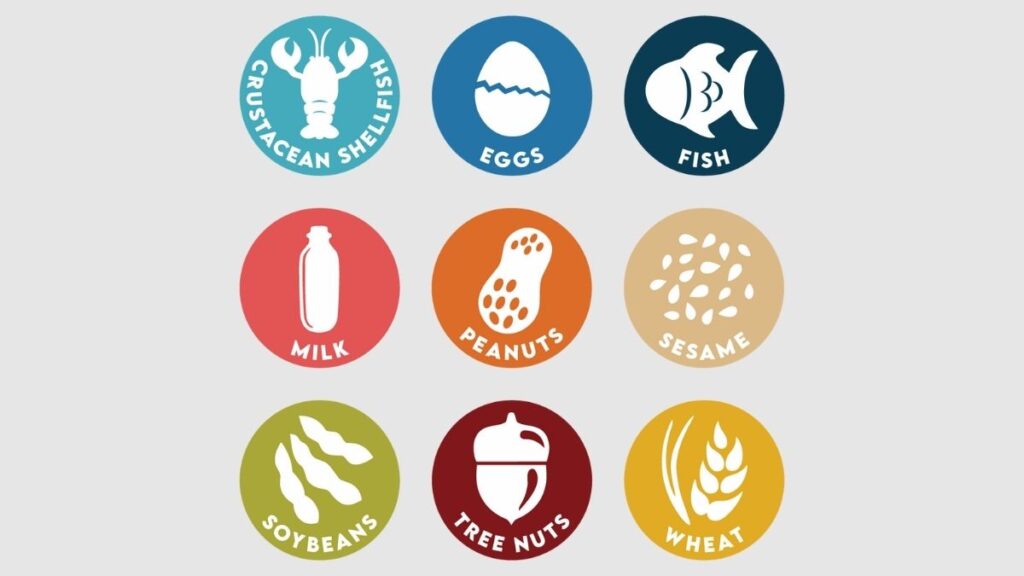
Under the Food Allergen Labeling and Consumer Protection Act (FALCPA), manufacturers must clearly declare the presence of any of the Big 9 allergens:
- Milk
- Eggs
- Fish
- Crustacean shellfish
- Tree nuts
- Peanuts
- Wheat
- Soybeans
- Sesame (added as the ninth allergen in 2023)
If any of these are in the product and not disclosed on the label, the product may be considered misbranded and subject to recall.
How Do Allergens Go Undeclared?
Even when a company has good intentions, undeclared allergens can enter the supply chain in several ways:
- Labeling Errors: A simple packaging mix-up or outdated ingredient list can omit allergens.
- Supplier Oversights: If an ingredient source changes and the new version contains an allergen, the final product label must reflect it.
- Cross-Contact: Shared lines or equipment can introduce allergens unintentionally if cleaning and validation aren’t thorough.
- Reformulations: Updating a recipe without updating the label can result in allergens being left off entirely.
These situations aren’t just hypothetical—they’re among the most common causes cited in allergen-related recall announcements.
How Regulators Define the Risk
The FDA and USDA evaluate allergen recalls based on the likelihood and severity of adverse reactions. If there’s a “reasonable probability that use of the product will cause serious health consequences or death”, regulators may classify the recall as Class I—the most urgent type.
Even small amounts of undeclared allergens can qualify. For example, a trace of undeclared peanut protein is enough to trigger a recall, especially for high-risk products like snacks, baked goods, and ready-to-eat meals.
Gray Areas and Exemptions
Some scenarios don’t automatically qualify as undeclared allergens, but still deserve caution:
- Highly Refined Oils: Ingredients like soybean oil are exempt from allergen labeling under FALCPA due to their low protein content, though some brands choose to include them voluntarily.
- Advisory Statements (“may contain”): These are voluntary and don’t replace mandatory labeling.
- Imported Products: May follow different standards, but if sold in the U.S., they must meet FDA requirements.
Even when a product skirts the technical definition, consumer trust can take a hit if allergy-related risks are discovered later.
Why This Matters to Your Brand
Undeclared allergens put consumers at serious risk, especially those with severe food allergies. But they also threaten your brand’s reputation, compliance status, and bottom line. A single recall can lead to:
- Regulatory penalties
- Product disposal and logistics costs
- Legal action
- Long-term damage to brand loyalty
When allergen declarations go wrong, consumers feel it—and so does your credibility.
Quick Self-Audit: Are You Covered?
Ask these questions to identify risks:
- Have all suppliers disclosed allergen information?
- Do your QA processes test for allergen residues?
- Are label updates part of your product change protocols?
- Are you validating cleaning procedures on shared equipment?
If you’re unsure, you may already be exposed to an undeclared allergen risk.
Stay ahead of the next recall. For more food safety insights and access to trusted ingredient suppliers, explore Source86.