When it comes to food labeling, terms like “natural,” “organic,” and “non-GMO” are often used as if they mean the same thing. However, for ingredient buyers, food manufacturers, and CPG brands, these labels represent very different standards—and have real consequences for product positioning, pricing, and regulatory compliance.
In this article, we’ll break down what each term means, how they’re regulated, and what food businesses need to know before making a claim on packaging.
What Does “Natural” Mean in Food?
The term “natural” sounds healthy and clean—but in reality, it’s one of the least regulated food labels in the U.S. According to the FDA, “natural” can be used on products that do not contain artificial flavors, added colors, or synthetic substances. However, the term doesn’t address how ingredients are grown or processed.
That means a food labeled “natural” might still contain:
- Genetically modified organisms (GMOs)
- Conventionally grown crops sprayed with synthetic pesticides
- Ingredients produced with standard industrial processing
For CPG brands and food producers, “natural” offers a marketing boost with minimal certification effort—but it comes with increasing skepticism from consumers. In today’s market, natural might be the starting point, but it’s rarely enough to satisfy ingredient-conscious buyers.
What Qualifies as Organic?
“Organic” is a strictly regulated term under the USDA National Organic Program (NOP). To be labeled organic, a product must meet several criteria, including:
- No synthetic pesticides, herbicides, or fertilizers
- No GMOs
- No artificial preservatives or additives
- Livestock raised without antibiotics or growth hormones
- Certification by a USDA-accredited body
There are different tiers:
- 100% Organic – every ingredient must be certified organic
- Organic – at least 95% of ingredients must be organic
- Made with Organic Ingredients – at least 70% organic content, with restrictions on the rest
For manufacturers sourcing ingredients, this impacts both product development and sourcing strategy. While organic ingredients tend to cost more, they also signal quality, sustainability, and safety—making them valuable in health-conscious markets.
Want to source organic ingredients? Check out our growing list of organic-certified bulk ingredients ready for private label or commercial use.
What Does Non-GMO Really Mean?
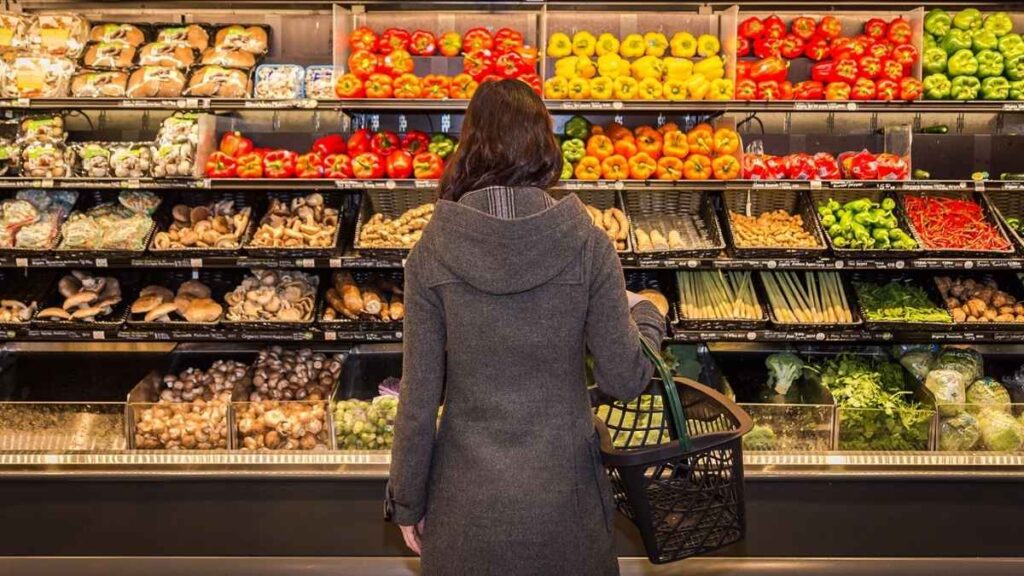
Non-GMO means that the product does not contain ingredients that have been genetically engineered. In the U.S., many brands turn to the Non-GMO Project for third-party verification, which tests for contamination and ensures traceability across the supply chain.
But it’s important to note:
- Non-GMO does not mean pesticide-free
- Non-GMO does not mean organic
- Non-GMO does not mean “clean label”
A product can be non-GMO and still include conventionally farmed ingredients or artificial additives. However, all certified organic products are automatically non-GMO—though not all non-GMO products are organic.
For brands not ready to invest in full organic certification, non-GMO can be a middle-ground strategy with solid consumer trust.
Why This Matters for Food Businesses
Choosing between natural, organic, and non-GMO isn’t just about terminology—it’s about trust. Consumers are scrutinizing labels more than ever, and mislabeling can lead to everything from lost sales to recalls and regulatory fines.
Understanding the difference helps you source smarter, position products more effectively, and avoid costly compliance issues.
Final Takeaways
- “Natural” is lightly regulated and allows a wide range of ingredient sources
- “Organic” is USDA-certified, non-GMO by default, and pesticide-free
- “Non-GMO” avoids genetic engineering but allows conventional farming methods
- Each label has tradeoffs in cost, consumer trust, and regulatory demands
Ready to build smarter food products with sourcing you can trust? Visit Source86.com to connect with verified suppliers for organic, natural, and non-GMO ingredients across every category.