
We don’t like junk emails either.
That’s why we only send the good stuff… short, smart, and worth the open.

Source86
Importer of specialty raw ingredients, finished products and anything in between
The brands we supply can be found nationwide at






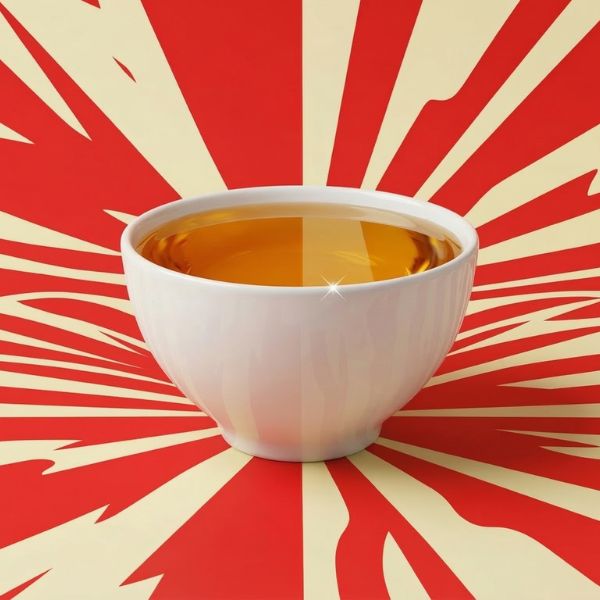
Dive into Moroccan culture 🇲🇦 with Source86 pure Argan Oil!
Traditionally used in Moroccan cuisine and skincare, argan oil is now recognized worldwide for its health-promoting properties.
It is commonly used as a finishing oil or salad dressing ingredient to impart a delicate, nutty taste. With a moderately high smoke point, argan oil is suitable for cooking, frying, and baking.
This product is available in the following variants:
🌱 Argan Oil – Deodorized Virgin Organic
🌱 Argan Oil – Virgin Organic
Source86 Bulk Argan Oil is available in large quantities and custom pack sizes to meet your wholesale ingredient needs 📦
Request for a Quote now to get started! 📨
Source86 is your number one supplier for premium bulk raw ingredients! ☝🏼
From sourcing to importing, our global team of trusty sourcerers is committed to getting you only the best ingredients in the market! 💯
If what you need is a Retail-Ready Oil solution, this is for you!
Need a quote, more info, or a sample? Fill out the form below, and we’ll be happy to help.
Are you a vendor? Please contact us here.
| Scientific Name | Argania spinosa |
|---|---|
| Origin Countries | Morocco |
| Product Use | Marinades, cooking oil, dips and spreads. |





Argan oil is made from the kernels of the argan tree (Argania spinosa), which is native to Morocco. The production process begins with hand-harvesting the argan fruit, removing the fleshy pulp to reveal the hard nuts inside. These nuts are cracked open to extract the kernels, which are then roasted gently to enhance their flavor. The roasted kernels are pressed to release the oil, using traditional stone mills or mechanical presses. The extracted oil is then filtered to remove any sediment and impurities, resulting in pure argan oil. This traditional method preserves the oil’s natural flavor, color, and nutritional properties, making it suitable for culinary and cosmetic applications.
Argan oil has a unique flavor that is slightly nutty with a hint of earthy undertones. The taste can be quite rich and distinct, making it a popular addition to culinary dishes in Moroccan cuisine, particularly in salads, dips, and drizzling over cooked dishes.
Argan oil has a smooth and slightly viscous texture. It is lightweight and absorbs quickly when used in culinary applications or topically on skin and hair, providing a silky finish without a greasy residue.
The color of argan oil ranges from a light golden yellow to a deep amber, depending on the extraction method and the quality of the oil. Culinary-grade argan oil is typically lighter in color compared to cosmetic-grade oil, which may be darker due to the different processing methods.
Argan oil is rich in essential fatty acids, particularly oleic and linoleic acids, which are beneficial for heart health. It is also high in vitamin E, a powerful antioxidant that supports skin health and protects against free radical damage. Additionally, argan oil contains smaller amounts of vitamin A, polyphenols, and sterols, which contribute to its nutritional and health benefits.
Argan oil is an effective moisturizer due to its high fatty acid content, which helps to lock in moisture and keep the skin and hair hydrated. In food manufacturing, it can act as a binding agent in certain recipes, such as salad dressings and marinades, helping to emulsify and blend ingredients smoothly.
Argan oil has a mild, nutty aroma with a slightly earthy scent. The fragrance is pleasant and not overpowering, making it suitable for both culinary and cosmetic applications. The aroma is more pronounced in unrefined argan oil compared to refined varieties.
Argan oil provides a balanced profile of flavors and nutrients, making it versatile for various uses. In culinary applications, it complements both sweet and savory dishes, adding depth and richness. Its balanced fatty acid composition also makes it beneficial for skin and hair care, providing nourishment and protection.
In culinary uses, argan oil offers a contrast to more common cooking oils with its unique flavor and aroma. It can enhance the taste of dishes and provide a luxurious finish. In cosmetic applications, its light texture contrasts with heavier oils, making it suitable for a wide range of skin and hair types without causing greasiness.
Argan oil is deeply rooted in Moroccan culture and cuisine. It is traditionally produced by Berber women in the southwestern regions of Morocco, using age-old methods passed down through generations. Argan oil is a staple in Moroccan cooking and is also used in traditional beauty and health practices. Its production supports local economies and women’s cooperatives in Morocco.
Argan oil is suitable for most dietary needs, including vegetarian, vegan, and gluten-free diets. It is a healthy option for those looking to incorporate more beneficial fats into their diet. However, individuals with nut allergies should use caution, as argan oil is derived from the kernels of the argan tree, which may cause allergic reactions in some people. As with any oil, it should be consumed in moderation as part of a balanced diet.
Argan oil is often used in gourmet and specialty food products. It adds a distinctive flavor to high-end sauces, marinades, and dressings. Its unique taste enhances the complexity of these products, making them more appealing to discerning consumers.
Due to its nutty flavor, argan oil is a popular ingredient in salad dressings. It can be used on its own or blended with other oils and ingredients like vinegar, lemon juice, and herbs to create flavorful vinaigrettes.
While not typically used for high-heat cooking, argan oil can be used for light sautéing or drizzling over finished dishes. It is often added to dishes after cooking to preserve its nutritional qualities and distinctive flavor.
Argan oil can be incorporated into baked goods such as breads, cookies, and cakes. It provides a rich flavor and moist texture, making it a desirable ingredient in artisanal baking.
Argan oil is an essential ingredient in traditional Moroccan amlou, a spread made from almonds, honey, and argan oil. It can also be used in other dips and spreads to add a nutty flavor and smooth texture.
Given its nutritional benefits, argan oil is included in health foods and dietary supplements. It is valued for its high vitamin E content and healthy fatty acids, making it a beneficial addition to products aimed at health-conscious consumers.
In some confectionery products, argan oil is used to add richness and depth of flavor. It can be found in high-end chocolates and other sweets, where its unique taste can enhance the overall profile of the product.

Argan oil is primarily produced in Morocco. Fruit from the argan tree are generally harvested between June and August.