




Bulk Black Turtle Beans
Request More Information
Need a quote, more info, or a sample? Fill out the form below, and we’ll be happy to help.
Are you a vendor? Please contact us here.
Product Data
| Scientific Name | Phaseolus vulgaris |
|---|---|
| Origin Countries | Brazil, Mexico, Argentina and the USA |
| Product Use | Canned and packaged foods, dips and spreads, |








Production & Sourcing
Black turtle beans are typically grown, harvested, and processed through several stages to prepare them for consumption. Once mature, the beans are harvested, either by hand or using machinery, and then cleaned to remove any debris or impurities. Next, the beans may undergo sorting and grading to ensure uniformity in size and quality.
Applications
- Canned and Packaged Foods
- Frozen Meals
- Packaged Soup and Sauces
- Dips and Spreads
- Plant-Based Meat Alternatives
- Snack Production
- Vegan
- Vegetarian
- Soups
- Stews
Functionality
- Plant-Based Protein
- Dietary-Fiber Enrichment
- Antioxidant
Benefits
Black turtle beans have a rich, earthy flavor with a slightly sweet undertone. When cooked, they develop a creamy texture and absorb flavors from seasonings and other ingredients, making them versatile for various dishes.
Black turtle beans have a firm texture when cooked, with a creamy interior. They hold their shape well and are commonly used in soups, stews, and salads for added texture.
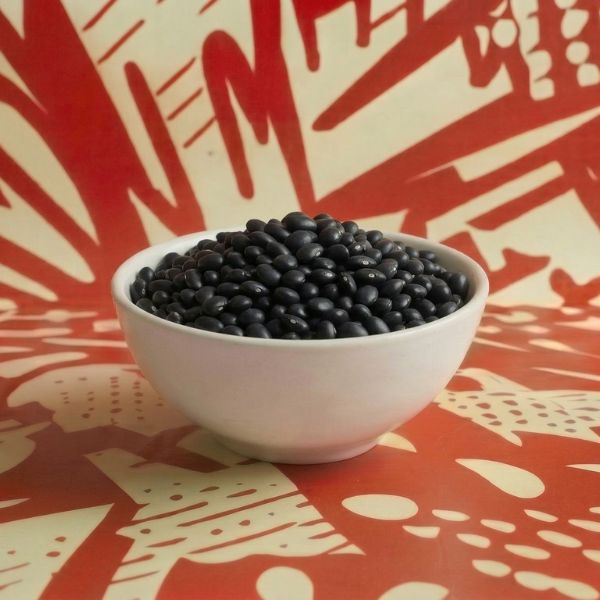
As the name suggests, black turtle beans have a deep, shiny black color both before and after cooking. This distinctive color adds visual appeal to dishes, especially when contrasted with lighter-colored ingredients.
Black turtle beans are packed with nutrients, including protein, fiber, folate, iron, magnesium, and antioxidants. They are a good source of plant-based protein and are often used as a meat substitute in vegetarian and vegan dishes.
Black turtle beans have a moderate moisture content and do not have significant binding properties on their own. However, when cooked, they release starches that can help bind ingredients together in dishes like veggie burgers or bean-based spreads.
While black turtle beans have a subtle aroma when dry, their true aromatic potential is unlocked when cooked. They release a warm, earthy scent that enhances the overall flavor of dishes.
Black turtle beans contribute to a well-balanced diet by providing protein, fiber, and essential nutrients. Their earthy flavor and creamy texture complement a wide range of ingredients, adding depth to dishes without overwhelming other flavors.
Black turtle beans offer a striking contrast in color, flavor, and texture when paired with other ingredients. Their deep black hue stands out against lighter-colored foods, while their firm texture adds a satisfying bite to dishes.
Black turtle beans are a staple ingredient in many Latin American cuisines, including Mexican, Cuban, and Brazilian dishes. They are commonly used in recipes such as black bean soup, frijoles negros, and feijoada, reflecting their cultural significance and versatility in regional cooking.
Black turtle beans are naturally gluten-free and suitable for vegetarian, vegan, and plant-based diets.
Uses in manufacturing
Black turtle beans are often canned and sold as a convenient ingredient for use in various dishes. Canned black beans can be added directly to soups, stews, chili, and other prepared foods, saving time and labor in food manufacturing processes.
Dried black turtle beans are also used in food manufacturing, particularly in products where rehydration and cooking are part of the production process. These dried beans can be soaked, cooked, and incorporated into a wide range of dishes, including canned soups, frozen meals, and ready-to-eat entrees.
Black turtle beans are sometimes processed into pastes or purees for use as a base ingredient in sauces, dips, spreads, and fillings. These bean-based products add flavor, texture, and nutritional value to various food products, such as vegetarian burgers, burritos, and wraps.
Black turtle beans can be roasted, seasoned, and processed into snack foods such as bean chips, bean crisps, and roasted bean snacks. These snacks offer a healthier alternative to traditional potato chips and snacks, providing protein, fiber, and other nutrients.
Black turtle beans are a popular ingredient in vegetarian and vegan food products, including meat alternatives, plant-based burgers, and protein bars. Their high protein and fiber content make them an ideal ingredient for creating plant-based alternatives to traditional meat products.

Main producing countries and Harvest time.
Brazil, Mexico, Argentina and the USA are among the top producers of black beans. Black beans are harvested in various periods throughout the year, with peaks during the dry season, which varies by region.