

We don’t like junk emails either.
That’s why we only send the good stuff… short, smart, and worth the open.

Source86
Importer of specialty raw ingredients, finished products and anything in between
The brands we supply can be found nationwide at






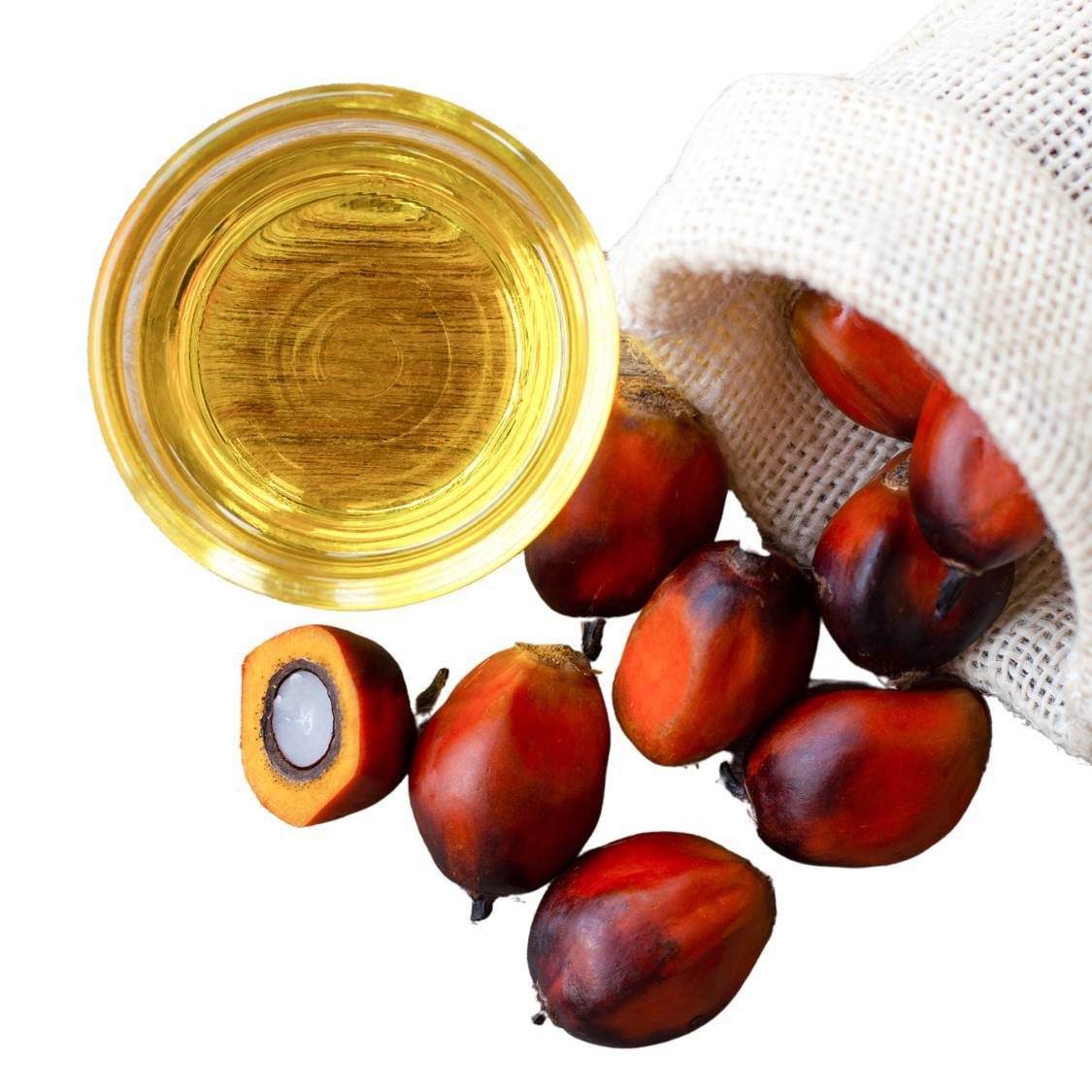
Source86 Palm Olein is a versatile oil that is renowned for its wide range of culinary applications, high smoke point and balanced nutritional profile!
Food manufacturers use Palm Olein for its stability and extended shelf life. It’s a preferred choice for a wide array of products, from baked goods to snack foods!
A rich source of vitamin E, Palm Olein is used in making marinades, sauces and dressings, as well as nutritional bars and snacks.
Our Palm Olein is available in bulk quantities, in customizable packaging options! 📦
Request for a Quote now to get started! 📨
Source86 is your number one supplier for premium bulk raw ingredients!☝🏼
If what you need is a Retail-Ready Oil solution, this is for you!
Need a quote, more info, or a sample? Fill out the form below, and we’ll be happy to help.
Are you a vendor? Please contact us here.
| Scientific Name | Elaeis guineensis |
|---|---|
| Origin Countries | Indonesia and Malaysia |
| Product Uses | Marinades and rubs, frying and cooking, vegan |







Palm Olein is derived from the palm fruit’s mesocarp, which is the fleshy part surrounding the seed. The extraction process involves several steps. First, the palm fruit bunches are harvested and sterilized to prevent spoilage. Then, the fruits are mechanically stripped of their outer layer to reveal the mesocarp. This mesocarp is then pressed to extract the crude palm oil.
The crude oil undergoes a refining process to remove impurities, including free fatty acids and undesirable flavors. This refined oil is then fractionated to separate the liquid part, known as Palm Olein, from the solid part. This fractionation process helps achieve the desired composition and properties. The resulting Palm Olein is a versatile cooking oil with a neutral flavor, making it suitable for various culinary applications.
Palm Olein has a very mild, neutral flavor. It does not impart a strong taste to foods, allowing the natural flavors of other ingredients to come through.
It is a liquid at room temperature, characterized by its clear and smooth consistency. This property makes it suitable for various culinary applications.
Palm Olein is typically golden-yellow in color. This natural hue is attributed to the presence of carotenoids, which are antioxidants found in palm fruit.
Palm Olein is a type of palm oil that is rich in monounsaturated and polyunsaturated fats. It is a source of calories and provides vitamin E and other antioxidants. However, it is relatively low in other nutrients.
Palm Olein is a versatile cooking oil used in a wide range of culinary applications. It is suitable for frying, sautéing, baking, and as an ingredient in various recipes.
It has a very mild aroma, allowing it to be used in a wide variety of recipes without introducing a distinct scent.
Due to its mild flavor and neutral aroma, Palm Olein balances well with a variety of ingredients. It complements both savory and sweet dishes.
While it provides a smooth texture and richness to dishes, Palm Olein does not introduce a dominant taste, allowing other flavors to take center stage.
Palm oil and its derivatives, including Palm Olein, are widely used in many tropical regions where oil palm cultivation is prevalent. It plays a significant role in the culinary traditions of these areas.
Palm Olein is free from common allergens like gluten, nuts, and soy. However, it is important to note that palm oil cultivation has raised environmental and ethical concerns. When choosing palm oil products, consumers may look for certifications like RSPO (Roundtable on Sustainable Palm Oil) to support sustainable and responsible sourcing practices. Additionally, individuals concerned about the environmental impact may choose alternative cooking oils with lower environmental footprints.
Palm Olein’s high smoke point and stability at high temperatures make it well-suited for frying applications. It is used in both shallow and deep frying of various food products, including snacks, fried chicken, French fries, and other fried goods.
It is employed in baking applications for items like cakes, pastries, and bread. Its neutral flavor and smooth texture contribute to the desired consistency and texture of baked goods.
Palm Olein’s neutral flavor allows it to be used in savory dishes where a neutral oil is preferred. It helps in achieving an even and consistent cooking process.
It can be used as an ingredient in salad dressings, sauces, and mayonnaise, contributing to the emulsification process and providing a smooth and consistent texture.
Palm Olein is often used in the production of processed foods, such as ready-to-eat meals, snacks, and bakery items, where it serves as a key ingredient for its stability and cooking properties.
In the confectionery industry, it is used in the production of items like chocolate, margarine, and various fillings, contributing to the smooth texture and mouthfeel of the final product.
Palm Olein can be used in the production of spreads, creamers, and whipped toppings, where it contributes to texture and mouthfeel.
It is often used in combination with other oils to create culinary blends that offer specific flavor profiles or cooking characteristics.
It can be used as a base in marinades for meats and vegetables, helping to impart flavor and improve the overall texture of the dish.
Palm Olein’s high smoke point and neutral flavor make it a popular choice for coating popcorn and other snack products.

Indonesia and Malaysia are the world’s leading producers of palm oil. In Indonesia, the peak harvest season for the production of palm oil is from August to September.