



We don’t like junk emails either.
That’s why we only send the good stuff… short, smart, and worth the open.

Source86
Importer of specialty raw ingredients, finished products and anything in between
The brands we supply can be found nationwide at







Need a quote, more info, or a sample? Fill out the form below, and we’ll be happy to help.
Are you a vendor? Please contact us here.
| Scientific Name | Piper nigrum |
|---|---|
| Origin Countries | Vietnam, India, Brazil, China |
| Pack Size | 25 kg |
| Product Shelf Life | 24 months from manufactured date. |
| Product Use | Pickling and brining, marinades and rubs, savory snacks |
| Shipping / Storage | To be stored at room temperature, room must be cool and dry. |








Harvesting: Ripe berries, known as black peppercorns, are harvested from the Piper nigrum plant.
Drying: The harvested berries are spread out to dry under controlled conditions. This drying process reduces moisture content and concentrates the flavor.
Shriveling: As the berries dry, they shrink and darken, developing their characteristic wrinkled texture.
Curing: The dried berries undergo a curing process, either through sun drying or mechanical methods. This step further intensifies their flavor and color.
Sorting: The cured berries are sorted to remove any debris or imperfect peppercorns, ensuring a uniform product.
Black peppercorns offer a robust and sharp flavor profile with a pronounced pungency. They provide a spicy and slightly fruity taste, contributing depth to a wide range of dishes.
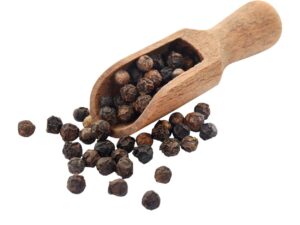
Black peppercorns have a firm and dense texture. They are solid and compact, which adds a tactile element when used in cooking or ground to create a coarse texture.
The color of black peppercorns is deep black, indicating their maturity and strong flavor. The outer shell’s dark hue signifies their rich aroma and taste.
Black peppercorns contain essential oils, antioxidants, and piperine – a compound believed to have potential health benefits. Consumed in moderation, they contribute to the overall nutritional content of dishes.
Black peppercorns usually have low moisture content, ensuring their longevity and preventing clumping. When ground, they can also be used for binding purposes in certain recipes.
The aromatic profile of black peppercorns is strong and distinctive. When crushed or ground, they release a warm and slightly woody aroma that enhances the sensory experience of dishes.
Black peppercorns are used to provide a bold and spicy kick to dishes, balancing and contrasting with other flavors. Their intense taste can counterbalance sweeter or milder ingredients.
Black pepper has been a staple in global cuisines for centuries, with its origins tracing back to India. It’s a common ingredient in various cultures and cuisines around the world, influencing a wide range of dishes.
Black peppercorns are generally safe for consumption, but their strong flavor might be overwhelming for individuals who are sensitive to spiciness. Individuals with certain medical conditions should moderate their consumption due to their pungency.
In food manufacturing, black peppercorns are used as a versatile spice to add flavor, aroma, and a spicy kick to a wide range of products. Here are common ways black peppercorns are used in food manufacturing:
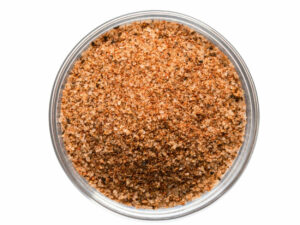
Black peppercorns are included in seasoning blends and spice mixes used to flavor snacks, processed meats, sauces, and more. These blends contribute a robust taste and aroma.
Black peppercorns are added to processed meats like sausages, deli meats, and cured meats. They enhance the meat’s flavor profile and provide a spicy note.
Peppercorns are used in marinades and brines for meats, enhancing their taste and infusing them with a peppery kick during the soaking process.
Black peppercorns are included in pickling solutions for vegetables and other products, adding a spicy and aromatic element.
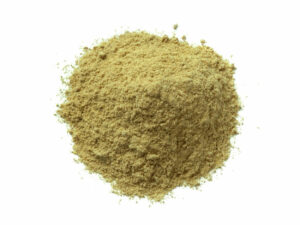
Many sauces, condiments, and dressings incorporate ground black pepper to provide a bold and spicy flavor.
Snack manufacturers use ground black pepper to season items like popcorn, chips, and crackers, creating unique and flavorful snack options.
Some baked goods like bread, rolls, and savory pastries may include black pepper for a subtle spiciness.
Prepared meals often use ground black pepper to enhance flavor and aroma in various dishes.
Black pepper is an ingredient in various ethnic and regional foods, enriching flavor profiles.
Manufacturers create custom spice blends using ground black pepper to achieve specific taste profiles.
Whole black peppercorns are sometimes used for visual appeal, adding texture and contrast to products.
Black peppercorns or ground black pepper are carefully packaged to preserve their freshness, flavor, and quality until they reach consumers.

The main producing countries for black peppercorn are Vietnam, India, Brazil, China and Sri Lanka. Black pepper berries can be harvested approximately 6-7 months after planting.