




Bulk Soy Protein Isolate
Introducing Soy Protein Isolate, the ultimate solution for elevating the nutritional profile of your food products!
Soy Protein Isolate is a concentrated source of high-quality protein, making it an essential ingredient for boosting the protein content of a wide range of food products, including plant-based meats, dairy alternatives, snacks, and beverages.
Source86 supplies Soy Protein Isolate in bulk quantities that match your wholesale ingredient needs! 📦
Request for a Quote now to get started! 📨
Source86 is your number one supplier for premium bulk raw ingredients! ☝🏼
From sourcing to importing, our global team of trusty sourcerers is committed to getting you only the best ingredients in the market! 💯
Request More Information
Need a quote, more info, or a sample? Fill out the form below, and we’ll be happy to help.
Are you a vendor? Please contact us here.
Product Data
| Scientific Name | Glycinin |
|---|---|
| Origin Countries | Brazil, the United States, Argentina and China |
| Product Use | Nutritional supplements, dairy alternative, plant-based meat alternative. |





Production & Sourcing
Soy protein isolate is made from defatted soybean meal, where soybeans are cleaned, crushed, and mixed with water to extract soluble sugars and carbohydrates. The remaining protein-rich material undergoes purification steps to isolate the soy protein, which is then dried into a powder. This process removes most of the fat and carbohydrates, resulting in a high-protein ingredient suitable for food manufacturing.
Applications
- Baked Goods
- Plant-Based Meat Alternative
- Dairy Alternative
- Nutritional Supplements
- Processed Food
- Ready-To-Eat Meals
- Snack Production
- Vegan
- Vegetarian
Functionality
- Plant-Based Protein
- Essential Amino Acids
- Low-Fat
- Low Carbohydrates
- Stabilizer and Binder
Benefits
Soy protein isolate typically has a neutral flavor profile, making it versatile for use in various food products. It may have a slightly beany or nutty undertone, but this is often masked by other ingredients in recipes.
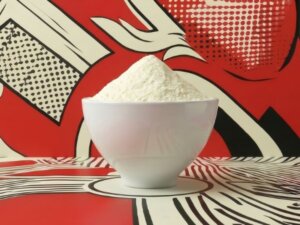
Soy protein isolate has a fine, powdery texture that allows it to easily blend into foods and beverages without affecting the overall texture significantly. When hydrated, it can mimic the texture of meat, making it a popular choice for meat analogs and plant-based protein products.
Soy protein isolate is usually off-white or light yellow in color, but it can vary depending on the processing method and any added ingredients or flavorings.
Soy protein isolate is a high-quality protein source, containing all essential amino acids required by the human body. It is low in fat and carbohydrates, making it suitable for individuals looking to increase their protein intake without consuming excess calories. Additionally, soy protein isolate is cholesterol-free and contains beneficial compounds such as phytochemicals and antioxidants.
Soy protein isolate has excellent moisture-binding properties, which contribute to its ability to improve the texture and moisture retention of food products. It can also act as a binder in processed foods, helping ingredients hold together during cooking or processing.
Soy protein isolate has a mild aroma that is often undetectable in finished food products. Its neutral scent allows it to be used in a wide range of recipes without overpowering other flavors.
Soy protein isolate provides a balanced nutritional profile, offering essential nutrients such as protein, vitamins, and minerals, without adding excessive amounts of fat, cholesterol, or carbohydrates to dishes.
Soy protein isolate offers a contrast to animal-based protein sources, providing a plant-based alternative that is lower in saturated fat and cholesterol. It allows for the creation of meatless products with similar taste and texture to traditional meat items, catering to vegetarian, vegan, and health-conscious consumers.
Soy protein isolate is widely used in many cultures and regions worldwide, particularly in countries where soybeans are a staple crop. It has gained popularity in vegetarian and vegan diets as a protein-rich alternative to animal products.
Soy protein isolate is generally well-tolerated by most individuals, but it may cause allergic reactions in some people with soy allergies. Additionally, individuals with thyroid conditions should monitor their soy intake, as soy protein isolate contains compounds known as isoflavones that may affect thyroid function.
Uses in manufacturing
Soy protein isolate serves as a key ingredient in the production of meat analogs and plant-based meat substitutes. It provides texture, structure, and protein content similar to meat, allowing manufacturers to create products such as veggie burgers, sausages, and meatless nuggets that appeal to vegetarian, vegan, and flexitarian consumers.
Soy protein isolate is used in the production of dairy-free alternatives such as soy milk, yogurt, and cheese. It helps improve the protein content and texture of these products, providing a creamy consistency and satisfying mouthfeel.
Soy protein isolate is added to baked goods such as bread, cakes, and cookies to enhance their nutritional profile and improve texture. It helps improve dough strength, increase water absorption, and extend shelf life, making it a valuable ingredient in commercial bakery products.
Soy protein isolate is used in the production of protein powders and nutritional supplements marketed to athletes, bodybuilders, and individuals seeking to increase their protein intake. It provides a convenient and cost-effective source of high-quality protein, supporting muscle growth, recovery, and overall wellness.
Soy protein isolate is used in a variety of processed foods, including ready-to-eat meals, snack bars, and cereal products. It serves as a protein fortifier, binder, and texturizer, helping improve the nutritional content and sensory characteristics of these products.

Main producing countries and Harvest time.
Brazil, the United States, Argentina and China are among the main producers of soybeans. The general harvest season for soybeans typically occurs in the late summer to early autumn, depending on the region and local climate conditions. In the United States, for example, soybean harvest season usually spans from September to October.