




Bulk Tapioca – Starch | Sour
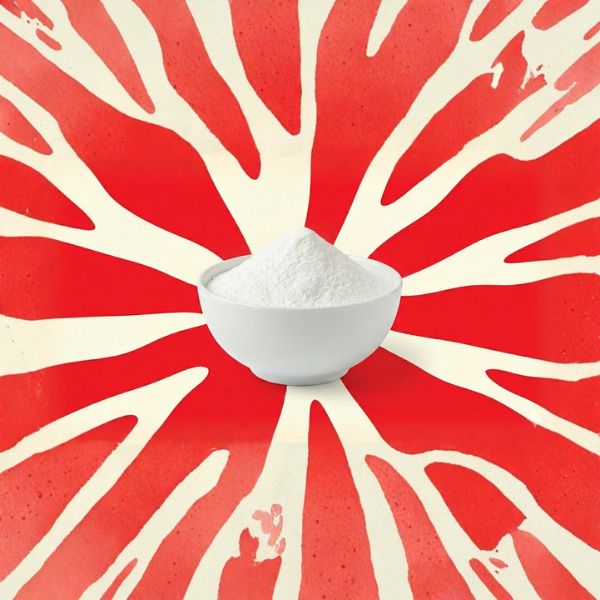
Sour Tapioca Starch, or “polvilho azedo” is made from fermented cassava root! This fine powder is a versatile thickener and flavor enhancer. It expertly thickens soups, sauces, gravies, and fillings while imparting a zesty kick. It not only provides structure and tenderness to gluten-free baked goods but also introduces a lively sourness!
Sour Tapioca Starch is perfect for coating meats, creating tangy fries, or adding a zesty twist to fritters and patties. Create a velvety texture for puddings, pies and desserts! This ingredient is naturally low in calories, rich in complex carbohydrates, gluten-free, fat-free and cholesterol-free! It is suitable for paleo, vegan, vegetarian and gluten-free diets. Our Sour Tapioca Starch is available in bulk quantities and in customizable packaging options. Request for a quote now to get started! 📨
Request More Information
Need a quote, more info, or a sample? Fill out the form below, and we’ll be happy to help.
Are you a vendor? Please contact us here.
Product Data
| Scientific Name | Manihot esculenta |
|---|---|
| Origin Countries | Brazil, Thailand, Vietnam, Indonesia. |
| Product Use | Sauces and gravies. gluten-free products, coatings and batters |








Production & Sourcing
Harvesting: The process starts with harvesting mature cassava roots. These are tuberous roots that grow underground.
Cleaning and Peeling: The harvested cassava roots are thoroughly cleaned to remove dirt and debris. They are then peeled to remove the outer skin.
Grating: The cleaned and peeled cassava roots are grated into a fine pulp.
Pressing: The grated cassava pulp is then pressed to extract the liquid. This liquid contains both water and starch.
Settling and Separation: The liquid is allowed to sit in large containers. During this time, the heavier starch particles settle to the bottom, while the lighter water rises to the top.
Dewatering: The separated starch slurry is then dewatered to remove as much water as possible.
Drying: The dewatered starch is spread out and dried. The goal is to remove all remaining moisture.
Milling: Once dried, the starch is milled into a fine powder. This results in the familiar white tapioca starch that is used in cooking and food manufacturing.
Applications
- Coatings and Batters
- Bakery
- Soups
- Sauces and Gravies
- Processed Meats and Seafood
- Snacks – Savory
- Desserts
- Confectionary – Soft
- Ready-To-Eat Meals
- Dairy and Non-Dairy
- Gluten-Free Baking
- Gluten-Free Pasta and Noodles
- Ethnic and Regional Cuisines
- Vegan Cooking
- Vegetarian Cooking
- Paleo
- Pet Food
Functionality
- Gluten Replacement
- Thickening
- Binding – Strong
- Flavor Enhancer
- Texture
- Dietary Fiber Enrichment
Benefits
Sour tapioca starch has a mildly tangy or sour taste compared to regular tapioca starch. This sourness can add a unique flavor profile to dishes and is often used in regional cuisines for its distinctive taste.
Similar to regular tapioca starch, sour tapioca starch is a fine, white powder with a smooth and silky texture. It behaves in a similar manner when mixed with liquids or incorporated into recipes.
Sour tapioca starch retains the bright white color characteristic of regular tapioca starch. It remains colorless when mixed with water or integrated into dishes.
Like regular tapioca starch, sour tapioca starch is primarily composed of carbohydrates and provides minimal nutritional value in terms of vitamins, minerals, or dietary fiber. It serves primarily as a source of energy.
Sour tapioca starch, like its regular counterpart, exhibits excellent moisture absorption properties. It is effective in thickening sauces, soups, and fillings. Additionally, it acts as a binding agent, which is especially useful in gluten-free cooking.
Sour tapioca starch does not contribute a distinct aroma to dishes. Its main impact lies in the tangy flavor it imparts.
When using sour tapioca starch, it’s important to balance it with other ingredients to achieve the desired taste and texture in recipes. The sourness should complement the overall flavor profile without overwhelming it.
Sour tapioca starch introduces a unique sour flavor, providing a contrast to the sweetness or neutrality of other ingredients in a dish. It is often used to create a dynamic flavor profile.
Sour tapioca starch is particularly prevalent in certain regional cuisines. For example, it is commonly used in Thai and Vietnamese cooking, where it contributes to the distinctive taste of dishes like sour soups and desserts.
Sour tapioca starch, like regular tapioca starch, is naturally gluten-free, making it a valuable ingredient for those with gluten sensitivities or celiac disease. It is also suitable for individuals with grain or nut allergies. However, it is primarily a source of carbohydrates, so individuals following low-carb or ketogenic diets should use it in moderation.
Uses in manufacturing
In food manufacturing, Sour Tapioca Starch is a versatile ingredient known for its unique flavor and thickening properties. Here’s how it is commonly used:
Sour Tapioca Starch is employed as a thickening agent in soups, sauces, and gravies. It not only imparts a tangy twist but also provides the desired texture and consistency to the final product.
In the production of baked goods, including bread, cakes, and pastries, Sour Tapioca Starch is utilized to add structure, tenderness, and a distinctive sour flavor. It contributes to the overall sensory experience of the baked item.
Food manufacturers incorporate Sour Tapioca Starch in processed meats like sausages, meatballs, and seafood products. It aids in binding, improves texture, and introduces a zesty element to the final product.
For snack items like chips, fries, and coated nuts, Sour Tapioca Starch is utilized to create a crispy, tangy coating. This enhances the overall flavor profile and texture of the snack.
In the production of desserts, including puddings, pies, and confections, Sour Tapioca Starch contributes a unique sour note, elevating the flavor profile while also providing the desired texture.
Food manufacturers use Sour Tapioca Starch in the production of ready-to-eat meals, ensuring consistent texture and flavor while introducing a tangy twist to the dish.
In dairy and non-dairy applications like yogurts, custards, and plant-based alternatives, Sour Tapioca Starch is employed to thicken and stabilize the product, as well as to add a sour element.
It finds application in specialty and ethnic foods where a sour flavor profile is desired, such as in certain types of noodles, dumplings, and fermented dishes.
Due to its gluten-free nature, Sour Tapioca Starch is a crucial ingredient in the production of gluten-free products like bread, pasta, and baked goods.

Main producing countries and Harvest time
The main producing countries of Tapioca Starch are Brazil, Thailand, Vietnam and Indonesia.
In tropical regions, where cassava is a year-round crop due to favorable climates, farmers can harvest cassava at any time during the year. However, the main harvest period often falls between six to 18 months after planting, depending on the specific variety and local conditions.
In regions with distinct wet and dry seasons, cassava is typically planted at the onset of the rainy season. The main harvest then usually occurs six to 18 months later, which could span from late spring to early autumn.