


We don’t like junk emails either.
That’s why we only send the good stuff… short, smart, and worth the open.

Source86
Importer of specialty raw ingredients, finished products and anything in between
The brands we supply can be found nationwide at







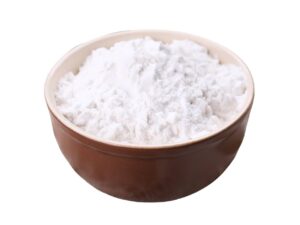
Derived from the cassava root, our premium Tapioca Starch is a fine, velvety powder that is a versatile thickening agent and culinary marvel! Tapioca Starch excels in thickening soups, sauces, gravies, and fillings, ensuring a smooth consistency every time! Add structure and tenderness to bread, cakes and pastries and make gluten-free baked goods!
Use it for coating meats, creating crispy fries, or binding ingredients in fritters and patties. Even use this ingredient to create a velvety texture for puddings, pies and desserts! Source86 Tapioca Starch is gluten-free, low in calories and is a great source of complex carbohydrates. It is suitable for gluten-free, vegan, vegetarian and paleo diets! Our Tapioca Starch is available in bulk quantities and customizable packaging options. Request for a quote now to get started! 📨
Need a quote, more info, or a sample? Fill out the form below, and we’ll be happy to help.
Are you a vendor? Please contact us here.
| Scientific Name | Manihot esculenta |
|---|---|
| Origin Countries | Brazil, Thailand, Vietnam, Indonesia. |
| Product Use | Gluten-free pasta and noodles, frozen desserts, coatings and batters |






Harvesting: The process starts with harvesting mature cassava roots. These are tuberous roots that grow underground.
Cleaning and Peeling: The harvested cassava roots are thoroughly cleaned to remove dirt and debris. They are then peeled to remove the outer skin.
Grating: The cleaned and peeled cassava roots are grated into a fine pulp.
Pressing: The grated cassava pulp is then pressed to extract the liquid. This liquid contains both water and starch.
Settling and Separation: The liquid is allowed to sit in large containers. During this time, the heavier starch particles settle to the bottom, while the lighter water rises to the top.
Dewatering: The separated starch slurry is then dewatered to remove as much water as possible.
Drying: The dewatered starch is spread out and dried. The goal is to remove all remaining moisture.
Milling: Once dried, the starch is milled into a fine powder. This results in the familiar white tapioca starch that is used in cooking and food manufacturing.
Tapioca starch is virtually flavorless. It has a neutral taste, making it an excellent choice for culinary applications where the desired flavor is not influenced by the starch itself.
Tapioca starch is a fine, white powder with a very smooth and silky texture. When mixed with liquid, it forms a smooth, lump-free paste. In finished products, it contributes to a smooth, glossy texture.
Tapioca starch is a bright white powder. It remains colorless when mixed with water or incorporated into recipes, making it suitable for a wide range of dishes.
Tapioca starch is primarily composed of carbohydrates and provides little to no nutritional value in terms of vitamins, minerals, or dietary fiber. It is a source of energy but lacks significant micronutrients.
Tapioca starch has excellent moisture absorption properties, making it effective in thickening sauces, soups, and fillings. It also acts as a binding agent in gluten-free baking, helping to improve the texture and structure of baked goods.
Similar to its flavor, tapioca starch is odorless. It does not contribute any distinct aroma to dishes.
Tapioca starch is often used in conjunction with other starches or thickeners to achieve the desired consistency in recipes. Its ability to create a smooth, glossy texture makes it a valuable component in many culinary preparations.
While tapioca starch does not introduce a strong contrast in flavor or color, it is valued for its ability to enhance the texture of dishes, providing a contrast between smooth, thickened elements and other components.
Tapioca is a staple in many cultures around the world. In regions like Southeast Asia, it is used to make traditional dishes like tapioca pearls for bubble tea, as well as various types of dumplings and desserts. In Western cuisines, it is commonly used in gluten-free baking and as a thickener in soups and sauces.
Tapioca starch is naturally gluten-free, making it a popular choice in gluten-free and celiac-friendly recipes. It is also suitable for those with grain or nut allergies. However, it is a high-carbohydrate ingredient, so individuals following low-carb or ketogenic diets may need to use it in moderation. As with any ingredient, those with specific dietary concerns should consult with a healthcare professional or nutritionist for personalized advice.
In food manufacturing, Tapioca Starch is a versatile ingredient with several applications due to its excellent thickening and binding properties. Here are some common ways it is used:
Tapioca starch is used in gluten-free baking as a flour substitute or in combination with other gluten-free flours. It helps improve the texture, structure, and moisture retention in products like bread, cakes, cookies, and muffins.
It is widely used as a thickening agent in various food products, including soups, sauces, gravies, and pie fillings. Tapioca starch forms a clear, glossy consistency without adding color or altering the flavor of the dish.
Tapioca starch is a key ingredient in making creamy puddings and desserts. When heated, it thickens liquids and gives a smooth, creamy texture. It is often used to make classic tapioca pudding.
In Asian cuisine, tapioca starch is used to make items like spring rolls, dumplings, and noodles. It contributes to the desired texture and helps hold the fillings together.
Due to its gluten-free nature, tapioca starch is a crucial ingredient in the production of gluten-free products, including bread, pasta, pizza crusts, and snacks.
Tapioca starch is sometimes used in batters for frying. It creates a crispy and light texture on the outside of fried foods. It’s particularly common in Asian-style fried dishes.
Tapioca starch is used in the production of dairy-based products like yogurt and ice cream to improve texture, creaminess, and stability during freezing.
It can be used as a binding agent in processed meat and seafood products like sausages, fish balls, and surimi products.
Tapioca starch is used to make glazes for pastries and fillings for pies and tarts. It helps maintain a smooth, stable consistency.
It is used in instant products like instant puddings, instant noodles, and ready-to-eat meals to achieve quick and consistent thickening.
Tapioca pearls, derived from tapioca starch, are used in popular drinks like bubble tea. These pearls are cooked and provide a chewy texture to the beverage.

The main producing countries of Tapioca Starch are Brazil, Thailand, Vietnam and Indonesia.
In tropical regions, where cassava is a year-round crop due to favorable climates, farmers can harvest cassava at any time during the year. However, the main harvest period often falls between six to 18 months after planting, depending on the specific variety and local conditions.
In regions with distinct wet and dry seasons, cassava is typically planted at the onset of the rainy season. The main harvest then usually occurs six to 18 months later, which could span from late spring to early autumn.