The Rise of Cassava Flour
Exploring the Root Vegetable That’s Changing the Gluten-Free Game
As a buyer, you know cassava flour has been part of the gluten-free craze for quite a time. But it’s a product that’s been around for centuries, already a staple export product since the 1500s.
So with that in mind, how well do you really know the product you’re trying to source?
If your answer is, “Now that I think about it, not much at all, ” we’ve got you covered. In this blog post, we’re delving deep into cassava flour and all the nitty gritty aspects that form a part of your buying journey without you even realizing it.
So without further ado, let’s get down to the root of the cassava tuber.
What is cassava flour, and where can it be cultivated?
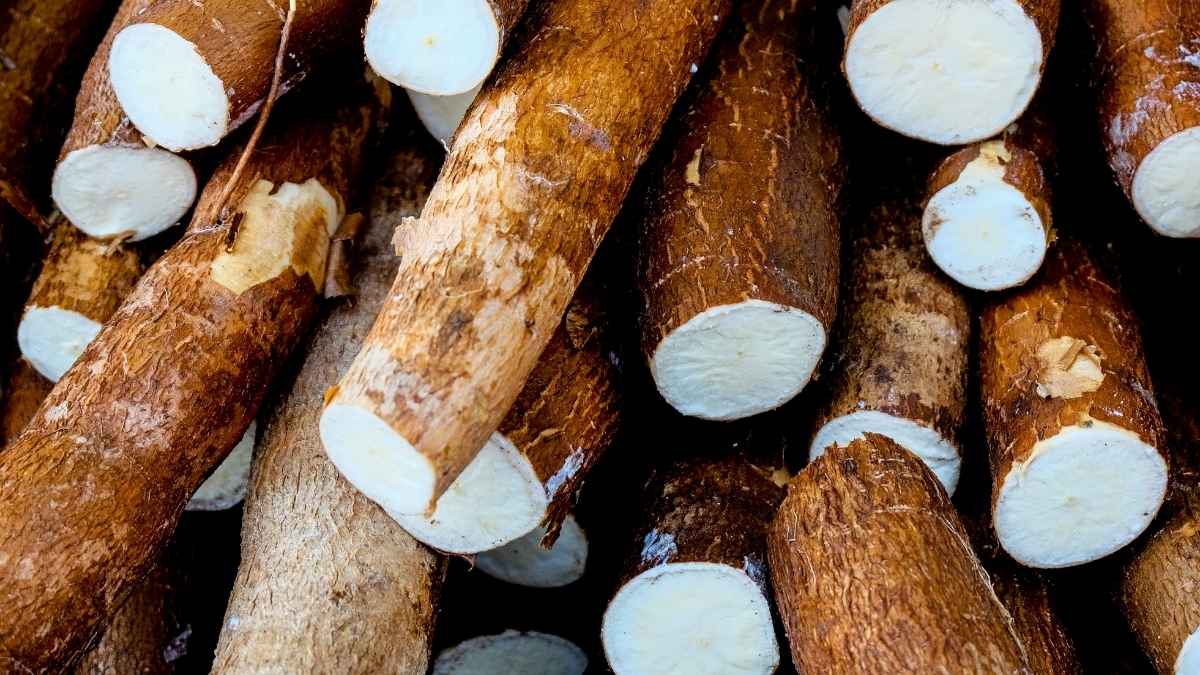
The cassava root, also known as yucca or manioc, is a tuber native to South America. But it’s an ingredient that has long since taken all our shores by storm and is cultivated in numerous tropical regions worldwide, like Brazil and Thailand. Its hardy, drought-tolerant characteristics make it an economic crop that has even gained the nickname “King of Starch”.
While cassava root is used to make numerous ingredients, including tapioca starch, one of the most popular is, by far, cassava flour. It’s an ingredient that has been a staple in many African, Asian, and Latin American dishes for years. More recently, cassava flour has been gaining popularity for its gluten-free status. Rich in carbohydrates, packed with health benefits, and a superb substitute for wheat flour – it’s an ingredient you can’t really go wrong with.
How is the quality of cassava flour measured?
As a buyer, you know the importance of quality assurance when sourcing products. Fortunately, when it comes to cassava flour, several methods are relied on to measure the quality.
Ensuring the chemical quality of the product
Proximate analysis measures the chemical composition of the flour, analyzing protein, fat, ash, and carbohydrate content.
Testing the use-case attributes and performance
Functional property analysis tests attributes such as pasting behavior and viscosity, to ensure that the flour responds adequately when used in food production.
Making sure the product offers a quality experience
Sensory evaluation assesses the appearance, aroma, texture, and taste of the flour, the attributes that ensure a pleasurable culinary experience.
The evaluation of cassava quality is especially important as the flour can typically include low levels of cyanide, heavy metals (such as lead and cadmium), and microbial contamination, which must be removed before it can be distributed. While low levels of metal content are rarely detrimental to consumers’ health, cyanide consumption isn’t. That’s why we ensure that the cassava flour we source meets the highest quality control standards before it reaches you.
The nutritional value of cassava flour
Nutritionally, cassava flour is a quality gluten-free ingredient that ticks all the boxes. It’s ,rich in carbohydrates with virtually no fat or protein, with only essential amino acid content in the small traces of protein. Typically, a 100g sample of cassava flour contains roughly 73g carbohydrates, 1g fiber, and 1.5g protein.
The greatest health benefits of cassava flour are born out of its high resistant starch levels. Studies have shown that ,resistant starch may improve metabolic markers like blood sugar and cholesterol levels. These attributes make resistant starch ingredients, like cassava flour, valuable in diets that help treat common non-communicable diseases (NCDs) like type 2 diabetes and heart disease, which are affected by high blood pressure and cholesterol levels.
Resistant starch helps to slow down the digestion rate, slowing down the rise in blood glucose levels. It also improves insulin sensitivity, helping cells respond optimally to the hormone insulin.
Additionally, the resistant starch in cassava flour ,may aid in gut health as well.
It acts as a prebiotic due to the fact that resistant starch is fermented in the large intestine, promoting microbial growth that helps to minimize gut dysbiosis, which is commonly associated with obesity and inflammatory bowel diseases. Resistant starch also aids in the protection of the gut’s mucosal lining, which leads to the increased production of butyric acid.
Why Brazil and Thailand are our chosen cassava flour suppliers
Thanks largely to their tropical climate, Brazil and Thailand are two of the leading global producers of cassava flour and other ingredients produced from cassava root. The large-scale farming culture in both countries has allowed the cultivation of cassava crops to become a reliable part of their agricultural sectors.
Even though cassava roots are easily harvested by hand in these moist environments, the size of the cassava industry manual labor has mostly been replaced with mechanical harvesting methods that have allowed for increased harvest yield in expedited times. ,Governmental support and specialized programs have also played a large role in helping farmers increase their farming efficiency.

The combination of favorable climate, large-scale cultivation, technological advancements, and these government support initiatives have made Brazil and Thailand consistently reliable sources of cassava flour. But these factors aren’t the only ones affecting the final yield of the harvest season.
When is the harvest rolling in?
Harvest season for cassava differs from crop to crop, largely due to its hardy nature, and can begin as soon as the roots reach maturity. However, in seasonal rainfall countries, harvests usually fall in the dry season. That’s why the Brazilian harvest season usually begins in March, while Thailand begins its harvest in November.
Thailand’s cassava harvest season
Due to the increase in cassava plantations in Thailand, the Thai Tapioca Trade Association (TTTA) is hoping for a harvest yield of 35 million tons of cassava for the 2022/23 season, which ,began in November 2022. This estimation is higher than 2020/2021’s yield of 31,632,109 largely due to the fact that so many farmers have opted for cassava harvesting in favor of the more costly cane and corn crops.
Brazil’s cassava harvest season
However, the forecast for Brazil doesn’t look quite optimistic this year. Over the past 14 years, the cassava yield has been dropping steadily, and all indicators seem to be pointing to yet a ,lower yield in 2023. Due to the high cost/lower profit ratio of cassava when compared to other agricultural activities in Brazil, especially bean harvesting, cassava cultivation is an industry that is no longer as large as it used to be in Brazil. But even with that in mind, Brazil still exports up to ,200 thousand metric tons of cassava per year, making it one of the most reliable suppliers of high-quality cassava. What could affect the 2023 harvest season, though, is the weather damage that was wrought on the cassava crops during the latter half of 2022.
Get your cassava journey underway
From its reliability to its nutritional benefits and the fact that it’s one of the most in-demand alternative ingredients on the market right now, cassava flour is a topic that deserves your attention.
The only question that remains is how you’re going to secure a relationship with a reliable vendor that will ensure you’re able to incorporate the best quality cassava flour in your products. With the help of Source86, of course.
If you want to know more about cassava flour and how you can find a reliable supplier that will ensure a high-quality product every time, ,schedule a call with us and we’ll get your tuber journey underway.
In the meantime, take a moment to explore our product catalogue! You can find it right here through this link. Your next sourcing inspiration could be just a click away!