
We don’t like junk emails either.
That’s why we only send the good stuff… short, smart, and worth the open.

Source86
Importer of specialty raw ingredients, finished products and anything in between
The brands we supply can be found nationwide at






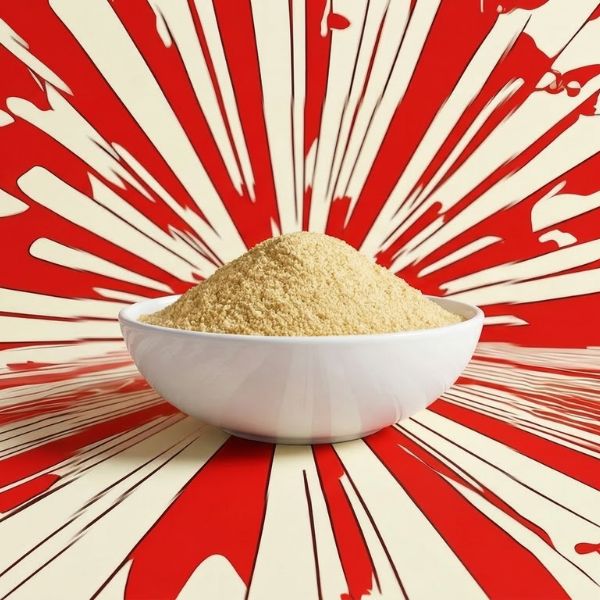
Experience the essence of pure almonds with our premium Almond Flour, a finely ground testament to quality and flavor! 👌🏼 Almond Flour is a sought-after ingredient for manufacturers creating gluten-free, paleo, and low-carb products. Its high nutritional value and versatility make it a preferred choice for various baked goods and snack items! Due to its fine texture, Almond Flour provides a delicate crumb structure and moistness to baked goods, making it a valuable ingredient in products like cakes, cookies, and muffins! Source86 Almond Flour is available in bulk quantities for your wholesale business needs! Request for a Quote now to get started! 📨 Source86 is your number one supplier for premium bulk raw ingredients! ☝🏼 From sourcing to importing, our global team of trusty sourcerers is committed to getting you only the best ingredients in the market! 💯
Need a quote, more info, or a sample? Fill out the form below, and we’ll be happy to help.
Are you a vendor? Please contact us here.
| Scientific Name | Prunus sp. |
|---|---|
| Origin Countries | USA, Spain and Australia |
| Product Uses | Nut butters and spreads, desserts, protein bars |







The process begins with removing the skins from the almonds through blanching, which involves briefly immersing them in hot water and then cooling them rapidly. Once blanched, the almonds are dried thoroughly to remove any excess moisture. The dried almonds are then ground using specialized equipment, such as a food processor or a milling machine, until they reach a fine, flour-like consistency. This finely ground almond powder is then sifted to ensure a uniform texture.
Almond Flour has a mild, nutty flavor that is characteristic of almonds. It imparts a subtle nuttiness to recipes without overpowering other flavors.
It has a fine, powdery texture, which is smooth to the touch. Almond Flour is known for contributing moisture and tenderness to baked goods.
Almond Flour typically has a light beige to pale tan color, depending on factors such as the almond variety and processing method.
Almond Flour is a highly nutritious alternative to traditional wheat flour. It is rich in healthy monounsaturated fats, protein, dietary fiber, vitamin E, magnesium, and other essential nutrients. Additionally, it is naturally gluten-free.
Almond Flour serves as a versatile ingredient in gluten-free and low-carb cooking. It is often used in baking, coating for frying, or as a thickener in sauces and gravies.
Almond Flour has a mild, nutty aroma, which becomes more pronounced when it is used in baking or cooking.
Its nutty flavor adds depth and richness to recipes, creating a well-balanced taste profile.
Almond Flour provides a soft and tender contrast to crunchy or textured ingredients, enhancing the overall mouthfeel of dishes.
Almond Flour is widely used in Mediterranean, Middle Eastern, and North African cuisines, where almonds have been a staple ingredient for centuries. It has also gained popularity in gluten-free and low-carb diets worldwide.
Almond Flour is a suitable option for individuals following gluten-free and low-carb diets. However, it is important to note that it is made from almonds, which are tree nuts. Individuals with nut allergies should exercise caution and consult with a healthcare professional before incorporating it into their diet.
It is used as a gluten-free alternative to wheat flour in recipes for cakes, cookies, muffins, pancakes, and bread. Almond Flour provides moisture, tenderness, and a mild nutty flavor to baked goods.
Almond Flour is used as a gluten-free coating for meats, fish, and vegetables in products like breaded chicken tenders, fish fillets, or vegetable fritters.
It is used in the production of gluten-free pasta and noodle products, providing structure and texture.
Almond Flour can be processed further to make almond butter or almond-based spreads, offering a creamy and nutritious alternative to traditional nut butters.
Almond Flour is utilized to create gluten-free pizza crusts and flatbreads, adding a nutty undertone to the crust.
It is an essential ingredient in the production of gluten-free crackers and snack bars, providing structure and a nutty flavor profile.
Almond Flour can be used as a gluten-free thickener for sauces, soups, and gravies.
It is a key component in gluten-free pancake and waffle mixes, contributing to their texture and flavor.
Almond Flour is used to create gluten-free dessert items like tarts, pie crusts, and pastries, providing a tender and nutty base.
Almond Flour is incorporated into high-protein bars and snacks to boost protein content while maintaining a gluten-free profile.
It is a crucial ingredient in the production of French macarons, providing the signature delicate texture and almond flavor.
Almond Flour can be used in gluten-free doughnut and fritter recipes to provide structure and flavor.

The United States, Spain and Australia are among the world’s main producers of almonds. In the United States, the harvest season for almonds occurs from August to October.