
We don’t like junk emails either.
That’s why we only send the good stuff… short, smart, and worth the open.

Source86
Importer of specialty raw ingredients, finished products and anything in between
The brands we supply can be found nationwide at





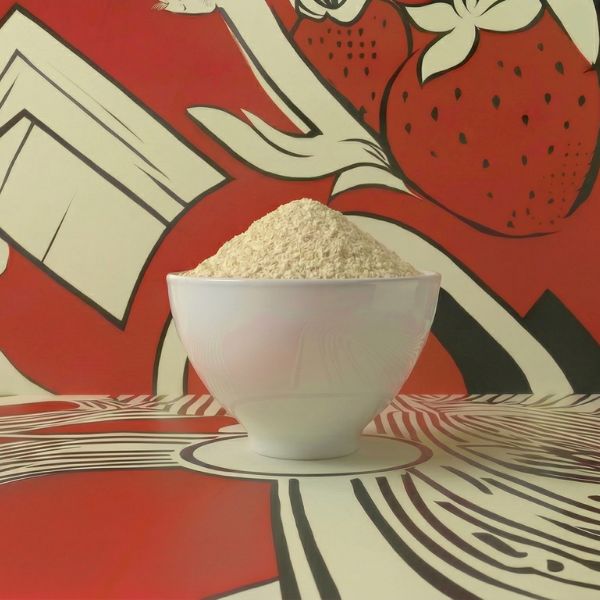
Elevate your culinary creations with our premium Organic Cassava Flour. Sourced from organically grown cassava roots, this finely milled flour is a gluten-free gem that opens doors to a world of culinary possibilities! Its finely ground consistency and superior moisture absorption properties make it an excellent choice for creating gluten-free baked goods with a desirable texture. It also serves as an exceptional thickener in sauces, soups, and gravies, enhancing both taste and consistency! Our Organic Cassava Flour is available in bulk quantities, in customizable packaging options! 📦 Request for a Quote now to get started! 📨 Source86 is your number one supplier for premium bulk raw ingredients! ☝🏼 From sourcing to importing, our global team of trusty sourcerers is committed to getting you only the best ingredients in the market! 💯
Need a quote, more info, or a sample? Fill out the form below, and we’ll be happy to help.
Are you a vendor? Please contact us here.
| Scientific Name | Manihot esculenta |
|---|---|
| Origin Countries | Nigeria, Indonesia, Brazil, and Ghana |
| Product Uses | Gluten-free flour blends, sauces and gravies, frozen food |




First, mature, organically-grown cassava roots are carefully harvested and cleaned to remove any impurities. The roots are then peeled, washed, and grated to create a pulp. This pulp undergoes a pressing phase to extract the moisture, resulting in a starchy cake.
The cake is then dried, ground finely, and sieved to achieve the desired consistency, resulting in the high-quality Organic Cassava Flour!
Organic Cassava Flour boasts a mild, neutral flavor profile. It does not impose its own taste on dishes, making it an excellent choice for various culinary applications. This neutrality allows it to complement a wide range of flavors and ingredients.
This finely ground flour has a smooth, powdery texture. It blends seamlessly with other ingredients, ensuring uniformity in recipes. When used in baking, it contributes to a light and airy texture, making it suitable for a variety of baked goods.
Organic Cassava Flour typically has a light cream color. This light hue ensures that it does not significantly alter the appearance of finished dishes, making it a versatile choice for recipes where visual aesthetics are important.
Organic Cassava Flour is a valuable source of complex carbohydrates, providing sustained energy. It contains essential minerals like potassium, vital for muscle and nerve function, and magnesium, crucial for bone health. Additionally, it is a gluten-free alternative, making it suitable for individuals with gluten sensitivities or celiac disease.
While naturally dry, Organic Cassava Flour exhibits excellent moisture-absorbing properties. This makes it an effective binding agent in recipes, contributing to the texture and structure of various baked goods and other food products.
Organic Cassava Flour is virtually odorless, allowing it to take on the flavors and aromas of the other ingredients in your recipes. This adaptability makes it a versatile choice for a wide range of dishes and culinary styles.
When used in recipes, Organic Cassava Flour offers a harmonious balance, contributing to the overall texture and structure of baked goods without overpowering other flavors.
In terms of color and texture, Organic Cassava Flour provides a subtle contrast when incorporated into recipes. Its light color can complement darker ingredients, and its fine texture can add a delicate element to heartier dishes.
Cassava is a staple crop in many tropical and subtropical regions around the world. Organic Cassava Flour reflects its cultural significance in these areas, where it plays a central role in traditional cuisines and serves as a vital source of sustenance.
Organic Cassava Flour is naturally gluten-free, making it an excellent choice for those with celiac disease or gluten sensitivities. It also aligns with paleo and grain-free dietary preferences, offering a versatile alternative to conventional flours.
It serves as a primary ingredient in gluten-free baking mixes, producing a wide range of baked goods like bread, cakes, muffins, and cookies.
Organic Cassava Flour is employed as a natural thickener in sauces, gravies, and soups. Its fine texture ensures a smooth consistency without altering the flavor profile.
It is used to create gluten-free pasta and noodle products, offering an alternative for those with gluten sensitivities.
Its moisture-absorbing properties make it an excellent choice for creating crispy coatings on fried or baked foods, offering a gluten-free alternative to traditional breading.
It is utilized in the production of various gluten-free snack items, including chips, crackers, and extruded snacks, providing a neutral base for flavorings.
Organic Cassava Flour is used in the production of frozen and ready-to-eat meals, providing a gluten-free base for various dishes.
It can be combined with other gluten-free flours and starches to create custom flour blends for various applications, ensuring optimal texture and flavor in finished products.
In certain cuisines and specialty food products, Organic Cassava Flour may be used as a traditional ingredient, reflecting its cultural significance in regions where cassava is a staple.
It is incorporated into recipes for pastries, tortillas, and other baked goods, providing structure and texture in gluten-free formulations.
Organic Cassava Flour is used in dough and batter formulations, contributing to the structure and texture of products like pancakes, waffles, and dumplings.

Nigeria, Indonesia, Brazil, and Ghana are among the world’s top producers of cassava flour. In tropical and subtropical regions, where cassava is a major staple crop, the harvest typically occurs between 8 to 24 months after planting. However, in some cases, cassava can be left in the ground for up to 3 years before harvest.